The Ordinary and The Inkey List occupy the same market position: clinical, ingredient-led skincare at prices that undercut most of the industry. Both launched within a few years of each other, both became staples for skincare enthusiasts on a budget, and both are regularly recommended alongside each other. But they're not the same brand with different packaging. They have meaningfully different formulation philosophies, and choosing between them matters more than most brand comparisons because you'll likely be building a routine from multiple products rather than buying one moisturiser.
The Pricing Reality
The Ordinary is cheaper, and it's not close. The brand's range spans £5 to £28.90 with an average product price around £11.50. The Inkey List sits between £9 and £23 with an average closer to £14. On individual products, that difference can be significant: The Ordinary's Niacinamide 10% + Zinc is £5. The Inkey List's equivalent is £10 for the same active at the same concentration. The Ordinary Retinol 0.5% in Squalane is £8.40; The Inkey List's 1% Retinol Serum is £23.
The Ordinary is able to price this way because of its parent company DECIEM's manufacturing scale and its deliberate decision to strip packaging, marketing, and margin to a minimum. For single-active products where the formulation is straightforward, this means you're getting clinical-grade ingredients at a fraction of the cost you'd pay anywhere else.
The Formulation Philosophy
This is where the brands genuinely diverge. The Ordinary was built on a single-ingredient philosophy: one hero active per product, minimal additional ingredients, maximum transparency about what you're getting. Niacinamide 10% + Zinc 1%. Lactic Acid 5% + HA. Retinol 0.5% in Squalane. The formulas are functional by design, not aspirational.
The Inkey List takes a more modern approach. Its products tend to combine multiple actives into a single formula, often with a more accessible naming convention. The 360 Skin Clearing Serum combines dioic acid, salicylic acid, and a clarifying complex. The Ectoin Hydro-Barrier Serum pairs ectoin with multi-molecular hyaluronic acid and a ceramide blend. These are combination formulas built around a skin concern rather than a single ingredient.
The Ordinary gives you components. The Inkey List gives you pre-built combinations. Neither approach is wrong, but they suit different kinds of routines.
Head to Head: Key Products Compared
Niacinamide: The Ordinary Niacinamide 10% + Zinc 1% (£5) vs The Inkey List 10% Niacinamide Serum (£10). Both deliver 10% niacinamide. The Ordinary adds zinc PCA for sebum regulation. The Inkey List pairs theirs with hyaluronic acid for added hydration. The Ordinary wins on price. If you want niacinamide for oily or acne-prone skin, the zinc inclusion in The Ordinary's formula is actually the better combination for that concern.
Retinol: The Ordinary Retinol 0.5% in Squalane (£8.40) vs The Inkey List Starter Retinol Serum (£12). The Ordinary offers three retinol concentrations (0.2%, 0.5%, 1%) in clean squalane bases. The Inkey List's Starter Retinol includes granactive retinoid and a small amount of retinal alongside calming agents, which makes it gentler but harder to know exactly what concentration you're working with. For someone building retinol tolerance who wants clear, step-by-step dosing, The Ordinary's graduated options are easier to navigate.
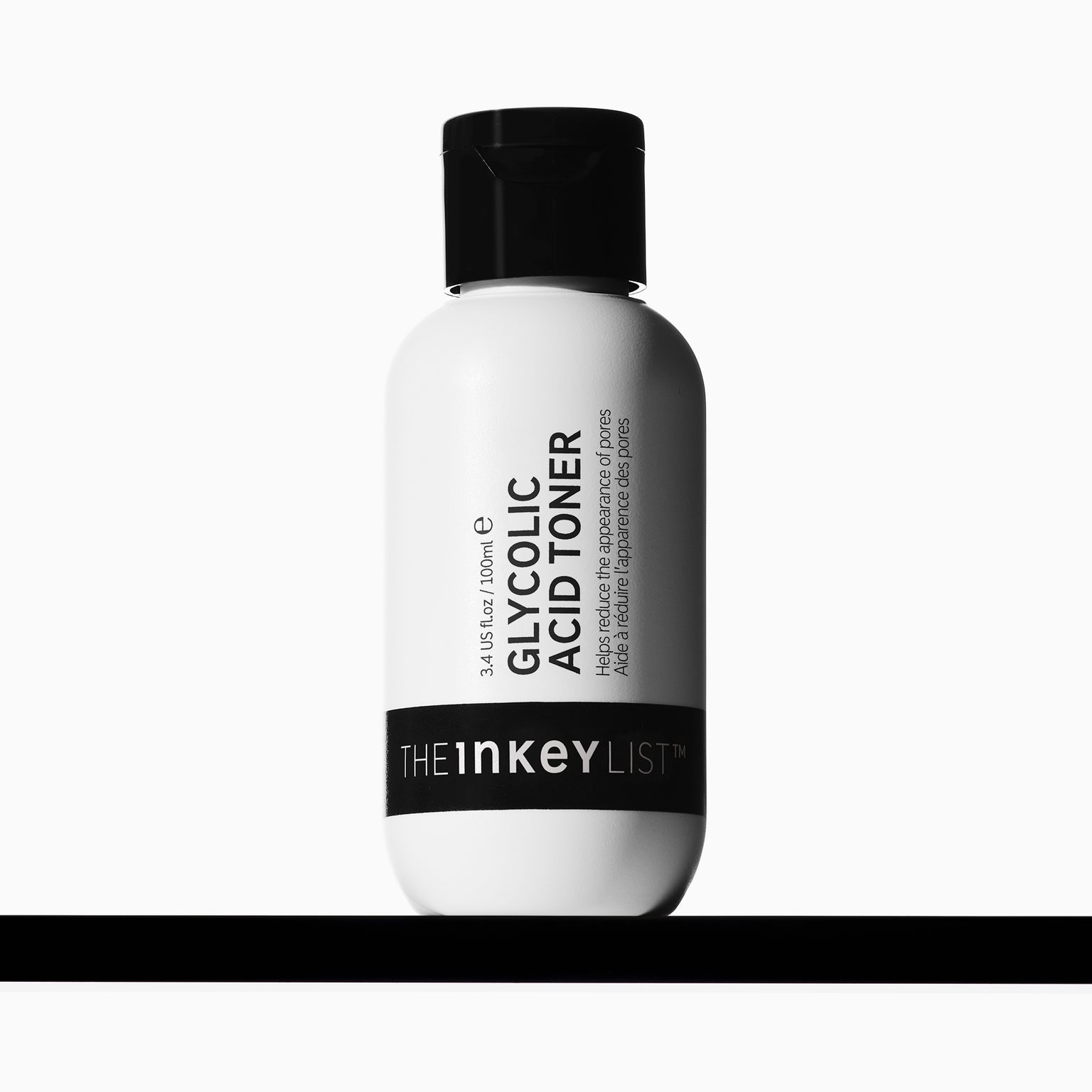
Acids: The Ordinary Glycolic Acid 7% Toner (£8) vs The Inkey List Glycolic Acid Toner with 10% and witch hazel (£13). The Inkey List version is stronger and includes witch hazel as an astringent. The Ordinary's is more straightforward and better priced. For lactic acid, only The Ordinary offers dedicated 5% and 10% formulations with HA; The Inkey List has no direct equivalent.
Azelaic acid: The Inkey List 10% Azelaic Acid Serum (£16) vs The Ordinary Azelaic Acid Suspension 10% (£27.40). This is one of the few categories where The Inkey List is significantly cheaper. The Ordinary's formula is a thicker suspension that some find harder to use under other products; The Inkey List's serum format tends to layer more easily.
Where The Ordinary Wins
Breadth and price. With 62 products including multiple versions of many actives at different concentrations, The Ordinary is the better brand for building a bespoke multi-step routine. If you know your ingredients and want to combine specific actives at specific percentages, The Ordinary gives you more control at a lower cost per product.
It's also the stronger brand for oils and vitamin C. The range of facial oils (rosehip, squalane, argan, marula) and the variety of vitamin C formats (L-ascorbic acid powder, ascorbyl glucoside 12%, ascorbyl tetraisopalmitate 20%) have no real equivalent in The Inkey List's range.
Where The Inkey List Wins
Accessibility and combination formulas. If you're newer to skincare and want fewer products that do more, The Inkey List's approach is more user-friendly. The concern-led naming (360 Skin Clearing, Ectoin Hydro-Barrier, Blemish Clearing Moisturiser) makes it easier to navigate without needing to know your actives by name.
It's also ahead on a few specific innovation areas. The Starter Retinol Serum's inclusion of retinal is a genuinely more sophisticated retinoid than The Ordinary's retinol-only options. The Inkey List also has a broader range of cleansers and moisturisers, which makes it more viable as a one-brand routine, where The Ordinary's cleanser and moisturiser range is comparatively thin.
The Verdict
For experienced skincare users who understand their ingredients and want maximum value from targeted single actives, The Ordinary is hard to beat. The price-to-efficacy ratio across its acid, retinol, and peptide range is exceptional, and the transparency of its formulations makes it easy to build a precise, ingredient-led routine.
For beginners, those who prefer fewer products, or anyone who finds The Ordinary's overwhelming product count off-putting, The Inkey List is the better starting point. The formulas are friendlier, the range is more curated, and the combination products do more of the work for you.
The best answer for most people is probably both: The Ordinary for single actives where price matters (niacinamide, retinol, acids), The Inkey List for its stronger cleansers, accessible combination serums, and the azelaic acid. The brands aren't really competitors within a routine, they're interchangeable at the product level.
Frequently Asked Questions
Can I mix products from both brands? Yes, without any issues. There's no brand-level incompatibility. Mix and match at the ingredient level, not the brand level.
Is The Ordinary really that much better value? For single-active products like niacinamide, retinol, and acids, yes. The price difference on comparable formulas is significant. For combination products or more complex formulas, the gap narrows.
Which is better for beginners? The Inkey List. The product range is more approachable, the naming is clearer, and having fewer products makes it harder to over-layer actives and irritate your skin.
Do they test on animals? Neither brand tests on animals. Both are cruelty-free. The Ordinary's parent company DECIEM has published its policy publicly; The Inkey List is also certified cruelty-free.