Yes — and they're more effective together than either is alone. The pairing of a vitamin C serum and a broad-spectrum sunscreen is one of the most well-evidenced morning routines in cosmetic dermatology, and the two ingredients are designed to compensate for each other's limitations. Sunscreen blocks most of the UV that would otherwise damage your skin and degrade vitamin C on contact. Vitamin C neutralises the free radicals generated by the small fraction of UV that any sunscreen lets through. The catch is that the layering order, the wait time between steps, and the form of vitamin C all matter more than most morning routines acknowledge — and the standard advice is sometimes oversimplified to the point of being misleading.
Why This Combination Exists in the First Place
Even the best sunscreen, applied perfectly at the recommended two milligrams per square centimetre, doesn't block all UV. SPF 30 filters around 97% of UVB; SPF 50 filters around 98%. The remaining 2 to 3% still penetrates the skin and generates reactive oxygen species — free radicals that damage collagen, accelerate photoageing, and contribute to hyperpigmentation. UVA filters are typically less efficient than UVB filters, and visible light (which most chemical sunscreens don't address at all) generates additional oxidative stress, particularly on darker skin tones where it can drive persistent pigmentation.
Vitamin C is the most-studied topical antioxidant in skincare, and it's specifically effective at quenching the kinds of free radicals UV exposure produces. Applied under sunscreen, it sits in the upper layers of the skin and intercepts oxidative damage that the SPF doesn't catch. A 2005 study by Lin and colleagues at Duke showed that L-ascorbic acid combined with vitamin E and ferulic acid reduced UV-induced thymine dimers (a marker of DNA damage) by around 96% compared to sunscreen alone. Subsequent work has repeatedly confirmed that vitamin C and SPF together outperform either ingredient on its own — not as a replacement for sunscreen, but as a complement to it.
SPF blocks most of the UV. Vitamin C neutralises the free radicals from the rest. The pairing is additive, not redundant — and dropping either step measurably reduces the protection.
Layering Order: Vitamin C First, SPF Last
The order is non-negotiable: cleanser, vitamin C serum, any other water-based serums, moisturiser, sunscreen. Sunscreen is always the final step in a morning routine, regardless of what's underneath it. This isn't a preference — it's how SPF testing is conducted and how the protection factor on the bottle is established. Anything applied over the top of sunscreen disrupts the film that creates the UV barrier and reduces the effective SPF, sometimes substantially. That includes a serum applied as a 'finishing step,' a tinted moisturiser, or even pressing makeup into the skin too aggressively.
Vitamin C goes early in the routine because it's a low-viscosity serum that absorbs quickly into the upper layers of the skin, where its antioxidant work happens. It doesn't form a film and doesn't interfere with whatever sits above it. Apply it to clean, slightly damp skin, give it a minute or two to settle, and proceed with the rest of the routine. The skin doesn't 'absorb' vitamin C in any meaningful sense beyond the upper epidermis — what it does is settle into the stratum corneum and the cells immediately below, where free-radical damage from UV is highest.
The Wait Time Question
A common piece of advice is to wait 15 to 20 minutes between vitamin C and sunscreen, on the basis that L-ascorbic acid needs time to absorb at low pH and that applying SPF too quickly will dilute or destabilise it. The evidence for this is thinner than the advice suggests. In practice, ascorbic acid penetrates within about ten minutes of application on prepared skin, and a sunscreen applied over the top doesn't lift it back out. What the wait time genuinely helps with is letting any moisturiser layer dry properly so the sunscreen can form an even film — a separate concern, and a real one.
A more practical version of the advice: apply your vitamin C, take the time you'd normally take to brush your teeth or get dressed, then apply moisturiser, wait until it's no longer tacky, and apply sunscreen. The whole sequence takes five to ten minutes in a normal morning routine, which is enough for the vitamin C to settle and for each subsequent layer to set without pilling. The strict 20-minute wait is a useful rule for people who like rules, but it isn't strictly necessary for the chemistry to work.
The Form of Vitamin C Matters Less Than You Might Think
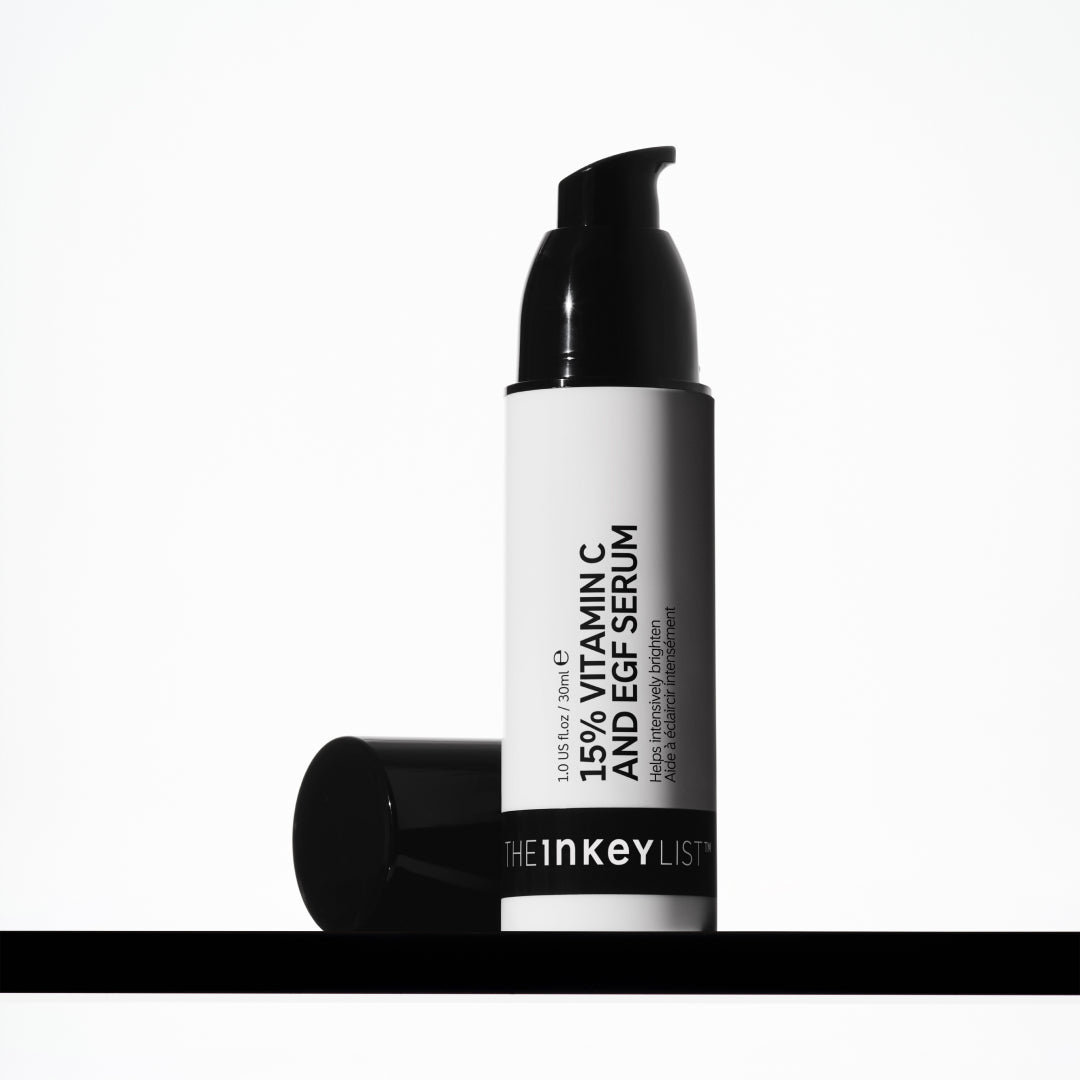
Vitamin C comes in several forms — pure L-ascorbic acid, ascorbyl glucoside, sodium ascorbyl phosphate, ethyl ascorbic acid, and tetrahexyldecyl ascorbate are the most common. Each has slightly different stability profiles, conversion rates, and pH requirements, but all of them function as antioxidants when applied under sunscreen. Pure L-ascorbic acid at 10 to 20% (the form used in the Lin study and most subsequent research) is the gold standard for evidence, but it's also the most unstable and most irritating. Derivatives are gentler and more stable, but the research base for the specific antioxidant-plus-SPF effect is smaller.
For the purpose of pairing with sunscreen, any well-formulated vitamin C product will provide additive protection. If your skin tolerates pure L-ascorbic acid, the evidence is most direct — The Ordinary's 10% Ascorbic Acid Powder + Squalane and similar formulations sit at the right concentration. If you find pure ascorbic acid too irritating or destabilising in your bathroom, a derivative like ethyl ascorbic acid or tetrahexyldecyl ascorbate (the latter is oil-soluble and pairs particularly well under sunscreen because it absorbs into the same lipid layer SPF sits in) is a reasonable alternative. The vitamin C serums guide covers the trade-offs between forms in detail.
What About pH and Sunscreen Filters?
L-ascorbic acid is acidic — typical formulations sit at a pH of 2.5 to 3.5 to allow penetration. The concern occasionally raised is that this acidity will destabilise UV filters in the sunscreen layered above it. In practice, this is rarely a problem. Modern chemical UV filters (avobenzone, octinoxate, octocrylene, the newer Tinosorb filters) are formulated for stability across a wide pH range, and the small amount of vitamin C that remains on the skin's surface by the time the sunscreen is applied is dilute enough that any pH effect is negligible. Mineral filters like zinc oxide and titanium dioxide are even more pH-tolerant — their physical mechanism doesn't depend on the formulation chemistry above them.
There's a more legitimate concern in the opposite direction: certain antioxidants, including vitamin C derivatives, can theoretically interact with iron-based pigments or specific filter combinations in ways that weren't optimised in the sunscreen's stability testing. In practice, no widely available combination of vitamin C and broad-spectrum sunscreen has been shown to cause problems on actual skin. If you're using two products that both went through standard cosmetic stability testing, you can layer them with confidence.
The pH of your vitamin C serum doesn't break your sunscreen. Modern UV filters are formulated to tolerate the chemistry of the rest of your routine — the much bigger risk is using too little SPF.
How Much SPF, and How Often
The single most common reason a vitamin C and SPF routine underperforms isn't the layering — it's the amount of sunscreen applied. The SPF on the bottle is established at two milligrams per square centimetre, which works out to roughly a quarter teaspoon for the face alone, or two finger-lengths of product squeezed onto two fingers. Most people apply about a quarter to half of that and end up with effective protection well below what the label promises. A vitamin C serum underneath a thinly applied SPF 50 will not produce the same outcome as the same serum under a generously applied SPF 30.
Reapplication matters too, particularly for an antioxidant pairing. Vitamin C's protective effect doesn't reset by lunchtime — once it's done its work in the morning, the antioxidant reservoir in the upper layers gradually depletes. The sunscreen is the part of the routine that needs reapplying every two hours of meaningful sun exposure (or after sweating or swimming). Stick formats like Purito's Daily Soft Touch Sunscreen Stick make midday reapplication realistic in a way that liquid sunscreens often aren't, particularly over makeup.
A Complete Morning Routine
The simplest version: gentle cleanser, vitamin C serum on damp skin, lightweight moisturiser, sunscreen. That's the four-step morning baseline that pairs well for almost every skin type. For oily and combination skin, a niacinamide serum can sit between the vitamin C and the moisturiser without conflict — niacinamide and vitamin C work in the same routine without issue, despite the persistent rumour that they neutralise each other. For dry skin, a hydrating serum (hyaluronic acid or glycerin-based) can go between the vitamin C and the moisturiser to add a humectant layer.
The sunscreen at the end is non-negotiable. The Inkey List Dewy Sunscreen SPF 30, Cetaphil Daily Defence Cream SPF 50, Naturium UV Reflect Antioxidant SPF 50, and Purito's Wonder Releaf Centella Daily Sun Lotion SPF 50+ are all reasonable, well-formulated options that pair comfortably over a vitamin C serum. The one to avoid is any sunscreen that pills, drags, or rubs off the moment a finger touches it — those are formulation problems that no amount of vitamin C underneath will compensate for.
When to Be Cautious
There are two scenarios where the standard advice needs adjusting. The first is if you have very reactive or rosacea-prone skin, in which case pure L-ascorbic acid at 15 to 20% may itself trigger flushing or stinging that has nothing to do with the sunscreen above it. In this case, drop to a derivative form (ascorbyl glucoside, sodium ascorbyl phosphate, or tetrahexyldecyl ascorbate) and skip the wait time entirely — the gentler chemistry doesn't need it. The second is if your sunscreen contains specific actives that benefit from being applied to clean, untreated skin (some prescription tinted SPFs are formulated this way). In these cases, follow the manufacturer's guidance — but for almost every over-the-counter sunscreen, applying it over a vitamin C serum is exactly how the product is intended to be used.
If you're new to either ingredient, introduce them one at a time. Start with sunscreen, every morning, for two to four weeks. Once that habit is established and you're confident with the texture and amount, layer in a vitamin C serum at a low concentration (5 to 10% L-ascorbic acid, or any derivative). Skin tends to tolerate this build-up sequence better than starting both at once, and you'll know which ingredient is responsible if you do react.
Frequently Asked Questions
Does vitamin C replace sunscreen? No. Vitamin C is an antioxidant, not a UV filter — it doesn't block ultraviolet radiation, it neutralises the damage UV produces. Without sunscreen on top, vitamin C alone provides essentially no UV protection and degrades rapidly in sunlight. The two work together; neither substitutes for the other.
Will my sunscreen pill if I apply it over a vitamin C serum? Pilling is usually a moisturiser-and-SPF interaction, not a serum-and-SPF one. If you're seeing pilling, the most common cause is applying sunscreen before the moisturiser underneath has fully set, or using a moisturiser with silicone polymers that don't blend with the SPF formulation. Wait until the moisturiser is no longer tacky, apply sunscreen in gentle pressing motions rather than rubbing, and pilling usually disappears.
Should I apply vitamin C in the evening instead? You can — vitamin C still works as an antioxidant in the evening, and it pairs well with retinol if you're using a derivative form. But the strongest evidence for the antioxidant pairing is in the morning, under sunscreen, where it intercepts UV-driven free radicals. If you have to pick one time of day, morning is more impactful.
Does vitamin C destabilise in sunlight? Yes, which is one of the reasons it's applied under sunscreen rather than over it. Once the SPF film is in place, very little UV reaches the vitamin C in the upper layers of the skin, which is why bottled vitamin C serums are formulated in opaque or amber packaging and why fresh, properly stored product is more effective than serum that has been sitting open on a bathroom shelf for six months.
Can I use a moisturiser with SPF instead of separate steps? Yes, though there's a practical trade-off. Combination SPF moisturisers are convenient and reduce the number of steps, but most people apply far less of them than they would of a dedicated sunscreen, which lowers the effective protection. If you're using a moisturiser-SPF, apply it as generously as you would apply a standalone sunscreen — two finger-lengths for the face and neck. Vitamin C still goes underneath.
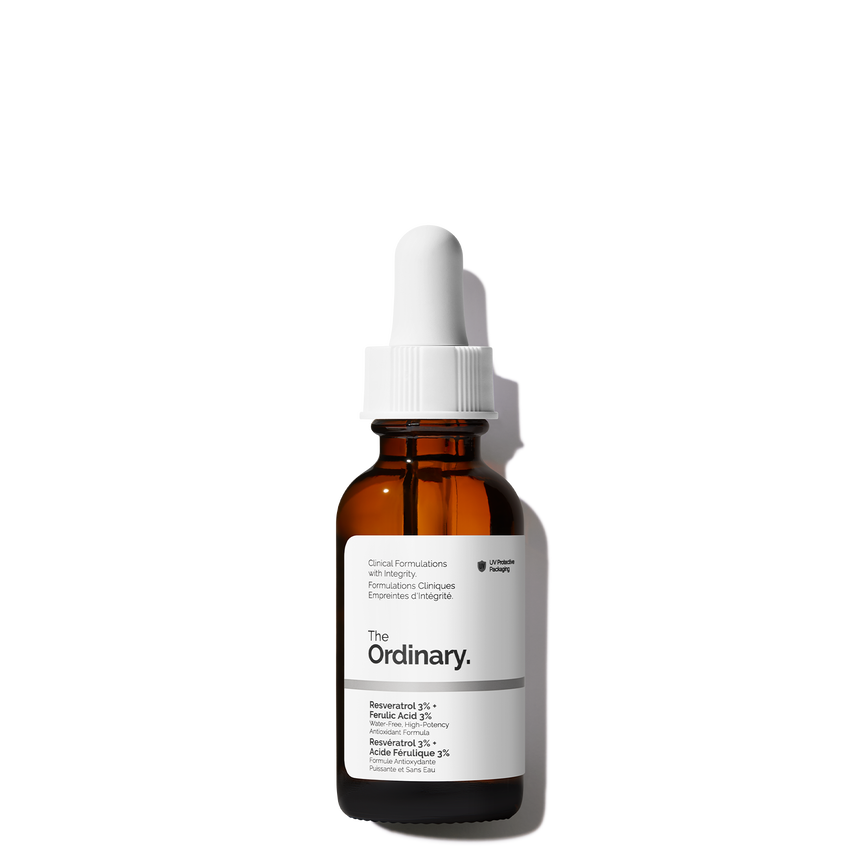
What about ferulic acid — do I need it for the combination to work? Ferulic acid is an antioxidant that stabilises L-ascorbic acid in formulation and adds its own free-radical-neutralising effect on the skin. It's not strictly necessary for vitamin C and sunscreen to work together, but the most-studied antioxidant serum (the SkinCeuticals C E Ferulic formulation, replicated by several budget alternatives including Naturium and Timeless) combines vitamin C with vitamin E and ferulic acid for a measurably stronger protective effect. If you're optimising the routine, look for a vitamin C serum that includes both.