Researched by Helena DeMaria-Williams
Formula IngredientAntioxidantVitamin C
INCI: Ascorbic Acid
Ascorbic acid (L-ascorbic acid, vitamin C) is the most potent and well-researched form of topical vitamin C. It is a water-soluble antioxidant that plays a critical role in collagen synthesis, neutralises free radicals from UV exposure, and inhibits tyrosinase to reduce melanin production. It requires a low pH (below 3.5) for optimal skin penetration and is notoriously unstable, oxidising rapidly when exposed to light and air.
Category
Antioxidant
Irritation Risk
Medium
Skin Types
hyperpigmentation, dull skin, ageing skin, sun-damaged skin, oily skin, normal skin
What does this do in a formula?
antioxidant protection, collagen synthesis, UV damage reduction, skin brightening, hyperpigmentation fading, anti-ageing, photoprotection (with sunscreen)
Is Vitamin C safe? Key considerations
Can Vitamin C cause irritation?
Medium RiskAt concentrations above 10%, may cause stinging, tingling, or redness, especially on sensitive skin. The low pH required for efficacy (below 3.5) can be irritating. Start with lower concentrations (5-10%) and build tolerance.
Does Vitamin C increase sun sensitivity?
No RiskAscorbic acid does not increase photosensitivity. It provides photoprotective benefits and reduces UV-induced damage. Should still be used with sunscreen for best results.
Is Vitamin C safe during pregnancy?
SafeVitamin C is considered safe for topical use during pregnancy. It is a naturally occurring vitamin with no documented reproductive concerns at cosmetic concentrations.
How does Vitamin C work?
Ascorbic acid (L-ascorbic acid, vitamin C) is the most potent and well-researched form of topical vitamin C. It is a water-soluble antioxidant that plays a critical role in collagen synthesis, neutralises free radicals from UV exposure, and inhibits tyrosinase to reduce melanin production. It requires a low pH (below 3.5) for optimal skin penetration and is notoriously unstable, oxidising rapidly when exposed to light and air.
Individuals with very sensitive skin (start with lower concentrations), open wounds, active dermatitis should review the considerations above before use.
In our shop
Which products contain Vitamin C?
Browse all Ascorbic Acid products →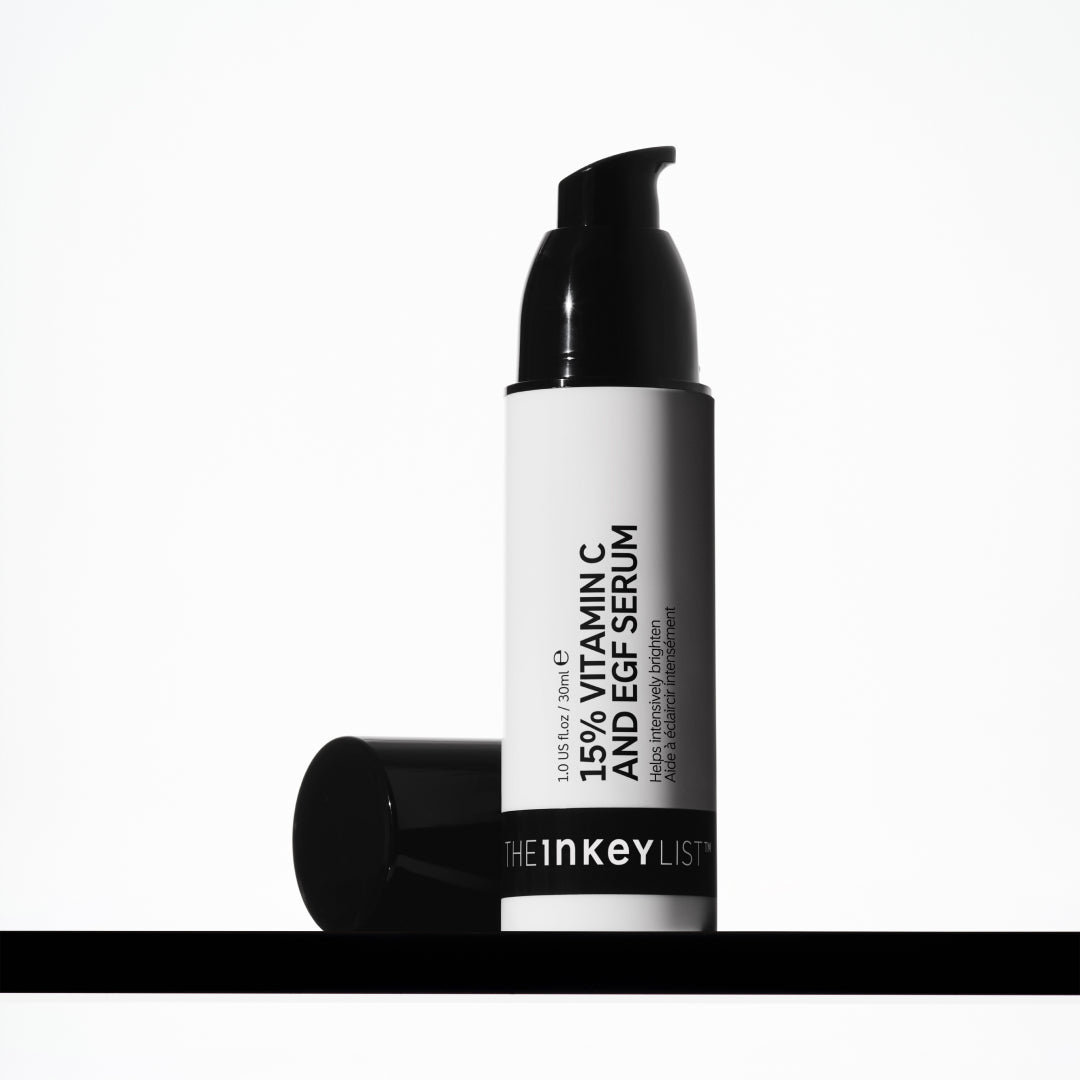
The Inkey List
15% Vitamin C + EGF Serum

The Inkey List
Vitamin B, C and E Moisturiser

The Inkey List
Tranexamic Acid Serum

The Inkey List
Vitamin C Serum

The Ordinary
Vitamin C Suspension 23% + HA Spheres 2%

The Ordinary