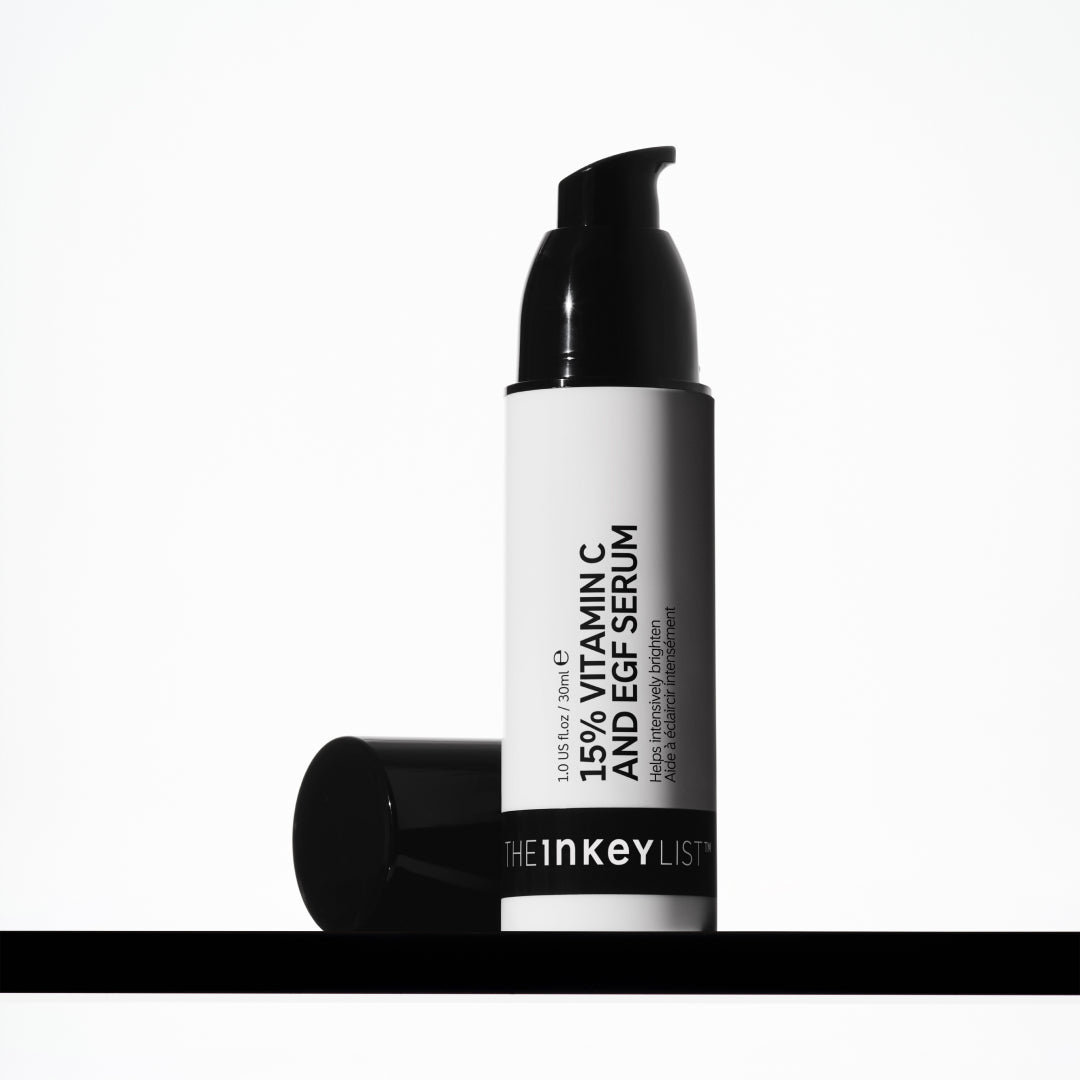
Researched by Helena DeMaria-Williams
Formula IngredientAntioxidantAscorbyl Glucoside
INCI: 2-O-Alpha-D-Glucopyranosyl-L-Ascorbic Acid
Ascorbyl glucoside is a stable, water-soluble derivative of vitamin C (L-ascorbic acid) formed by bonding ascorbic acid to glucose via a glycosidic linkage. It addresses the well-known instability of pure vitamin C by resisting oxidation and maintaining efficacy in formulations. After skin absorption, cutaneous glucosidase enzymes cleave the glucose molecule, releasing free L-ascorbic acid that delivers antioxidant, brightening, and collagen-stimulating effects.
Category
Antioxidant
Irritation Risk
Low
Skin Types
all skin types, sensitive skin, oily, acne-prone, hyperpigmentation, dull skin, anti-ageing concerns
What does this do in a formula?
antioxidant protection, brightening, hyperpigmentation reduction, collagen synthesis support, anti-ageing, even skin tone
Is Ascorbyl Glucoside safe? Key considerations
Can Ascorbyl Glucoside cause irritation?
Low RiskAscorbyl glucoside is notably gentler than L-ascorbic acid because it does not require a low pH to remain stable, making it well-tolerated by most skin types including sensitive skin. No EU CosIng Annex II (banned) or Annex III (restricted) designations apply. Stinging or redness is rare and typically mild even at concentrations up to 15%.
Does Ascorbyl Glucoside increase sun sensitivity?
No RiskUnlike AHAs and retinoids, ascorbyl glucoside does not increase photosensitivity. In fact, it provides antioxidant protection against UV-induced free radical damage. Daily SPF use is still recommended as best practice when targeting hyperpigmentation, but is not specifically required because of this ingredient.
Is Ascorbyl Glucoside safe during pregnancy?
SafeTopical vitamin C derivatives including ascorbyl glucoside are not absorbed systemically in meaningful quantities and are widely considered safe during pregnancy. No reproductive or developmental concerns are flagged in available cosmetic safety databases. Topical vitamin C is generally on approved lists by dermatologists for use during pregnancy.
How does Ascorbyl Glucoside work?
Ascorbyl glucoside is a stable, water-soluble derivative of vitamin C (L-ascorbic acid) formed by bonding ascorbic acid to glucose via a glycosidic linkage. It addresses the well-known instability of pure vitamin C by resisting oxidation and maintaining efficacy in formulations. After skin absorption, cutaneous glucosidase enzymes cleave the glucose molecule, releasing free L-ascorbic acid that delivers antioxidant, brightening, and collagen-stimulating effects.
In our shop