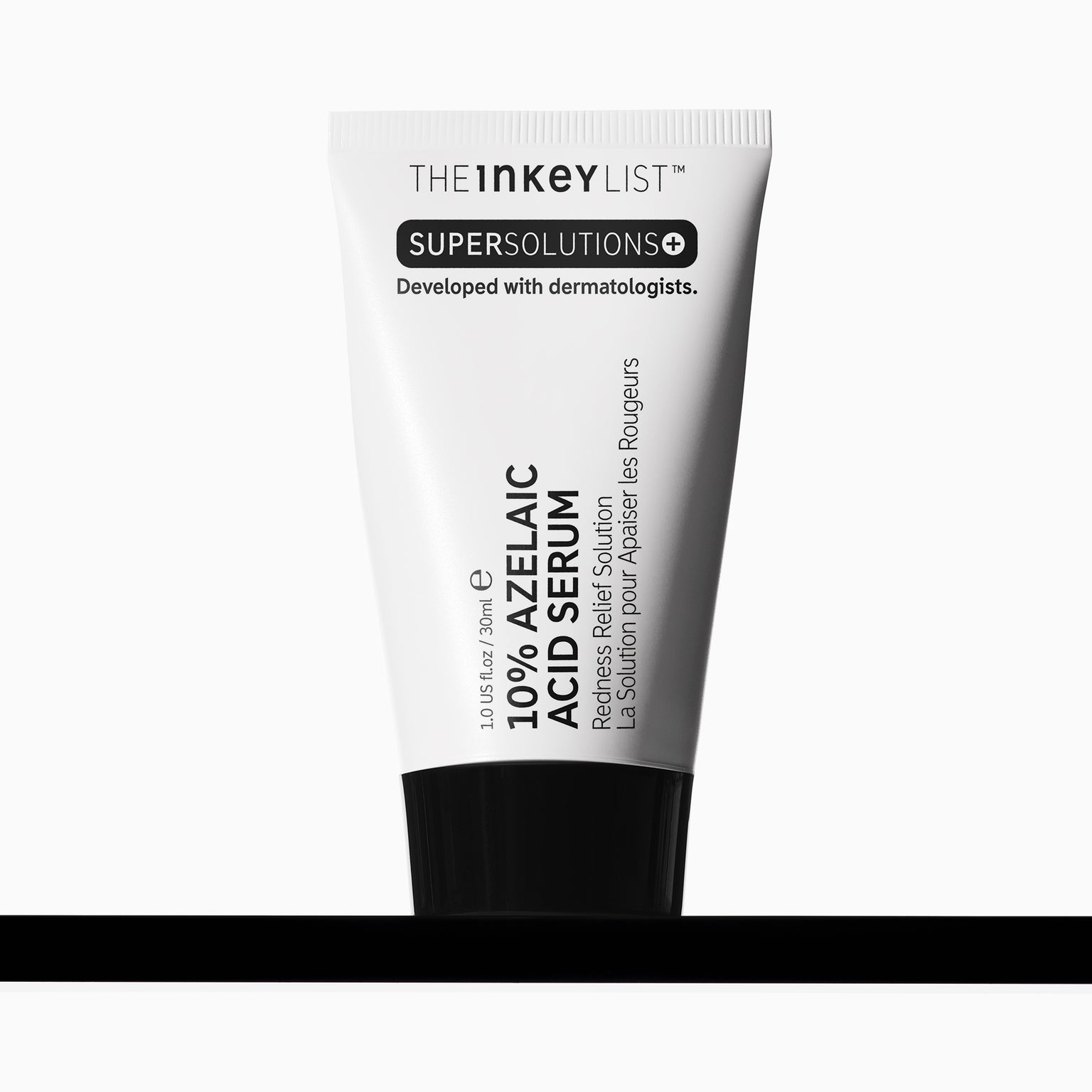
Researched by Helena DeMaria-Williams
Formula IngredientDicarboxylic AcidAzelaic Acid
INCI: Azelaic Acid
Azelaic acid is a naturally occurring dicarboxylic acid found in wheat, rye, and barley. It works through multiple mechanisms: inhibiting the enzyme tyrosinase (reducing melanin overproduction), exerting antibacterial action against Cutibacterium acnes, normalising keratin production in pores, and reducing inflammation. Unlike AHAs or BHAs, it is not classified as a chemical exfoliant but achieves similar pore-clearing and brightening results through a distinct biochemical pathway.
Category
Dicarboxylic Acid
Irritation Risk
Low
Skin Types
acne-prone, oily, combination, sensitive, rosacea-prone, hyperpigmentation, dull skin, post-inflammatory hyperpigmentation, melasma
What does this do in a formula?
acne treatment, anti-inflammatory, brightening, fading hyperpigmentation, melasma treatment, rosacea relief, pore-clearing, antioxidant
Is Azelaic Acid safe? Key considerations
Can Azelaic Acid cause irritation?
Low RiskAzelaic acid is generally well tolerated by all skin types including sensitive skin. Mild transient reactions (slight tingling, redness) may occur on first use and typically resolve within 2–4 weeks as skin acclimates. It is significantly less irritating than benzoyl peroxide, salicylic acid, or retinoids. No EU CosIng Annex II or III restrictions apply to azelaic acid in cosmetic concentrations (up to 10%). At prescription strengths (15–20%), side effects remain mild and generally self-resolving.
Does Azelaic Acid increase sun sensitivity?
Caution RiskAzelaic acid is not a photosensitiser and does not increase UV absorption (confirmed by PubMed study: MEDs of UVB unaffected by azelaic acid). However, because it provides gentle exfoliation and promotes cell turnover, newer skin cells at the surface are more susceptible to UV damage. Daily use of SPF 30+ broad-spectrum sunscreen is strongly recommended, particularly when using azelaic acid for hyperpigmentation (UV exposure will worsen the condition being treated).
Is Azelaic Acid safe during pregnancy?
SafeAzelaic acid is classified as FDA Pregnancy Category B — no proven risk in humans. Systemic absorption is very low (approximately 3.6–4% of topically applied dose). It is recommended as a first-line treatment for acne during pregnancy by the American Academy of Dermatology. As a precaution, avoid use in the first trimester and apply only to small surface areas. Considered safe during breastfeeding due to minimal systemic absorption.
How does Azelaic Acid work?
Azelaic acid is a naturally occurring dicarboxylic acid found in wheat, rye, and barley. It works through multiple mechanisms: inhibiting the enzyme tyrosinase (reducing melanin overproduction), exerting antibacterial action against Cutibacterium acnes, normalising keratin production in pores, and reducing inflammation. Unlike AHAs or BHAs, it is not classified as a chemical exfoliant but achieves similar pore-clearing and brightening results through a distinct biochemical pathway.
Individuals with known allergy to propylene glycol (present in some azelaic acid formulations) should review the considerations above before use.