Researched by Helena DeMaria-Williams
Formula IngredientAntioxidantCaffeine
INCI: Caffeine
Caffeine is a methylxanthine alkaloid with antioxidant and anti-inflammatory properties that penetrates skin well due to its small, water-soluble molecular structure. Topically, it acts as a vasoconstrictor and phosphodiesterase inhibitor, improving microcirculation, reducing puffiness, and helping protect skin against UV-induced free radical damage. It is widely used in eye creams, anti-cellulite formulas, and antioxidant serums.
Category
Antioxidant
Irritation Risk
Low
Skin Types
all skin types, oily, acne-prone, puffy or fatigued eyes, hyperpigmentation, anti-ageing concerns
What does this do in a formula?
antioxidant protection, reduces puffiness, anti-inflammatory, improves microcirculation, potential UV photoprotection, aids absorption of other ingredients, lipolytic effect in anti-cellulite formulas
Is Caffeine safe? Key considerations
Can Caffeine cause irritation?
Low RiskCaffeine is well tolerated by most skin types and is not a known irritant at cosmetic concentrations. It has a drying/dehydrating action as a vasoconstrictor, so those with very dry or compromised skin barrier should ensure adequate moisturisation. No EU CosIng Annex II or III restrictions apply.
Does Caffeine increase sun sensitivity?
No RiskCaffeine does not increase photosensitivity. In fact, research suggests it may provide modest photoprotective benefits by helping to neutralise UV-induced free radicals. No additional sun protection is required due to caffeine's presence in a formulation.
Is Caffeine safe during pregnancy?
CautionTopical caffeine is absorbed transdermally and can enter systemic circulation. While concentrations in leave-on cosmetics are low, systemic caffeine intake during pregnancy is associated with risks at high doses. As a precaution, pregnant individuals should minimise use of high-concentration caffeine products (particularly those covering large body areas) and consult a healthcare provider. Low-concentration products used on small areas (e.g. eye cream) are generally considered low risk.
How does Caffeine work?
Caffeine is a methylxanthine alkaloid with antioxidant and anti-inflammatory properties that penetrates skin well due to its small, water-soluble molecular structure. Topically, it acts as a vasoconstrictor and phosphodiesterase inhibitor, improving microcirculation, reducing puffiness, and helping protect skin against UV-induced free radical damage. It is widely used in eye creams, anti-cellulite formulas, and antioxidant serums.
Individuals with MANUAL REVIEW: no well-documented contraindications for topical caffeine; those with caffeine sensitivity may wish to patch test should review the considerations above before use.
In our shop
Which products contain Caffeine?
Browse all Caffeine products →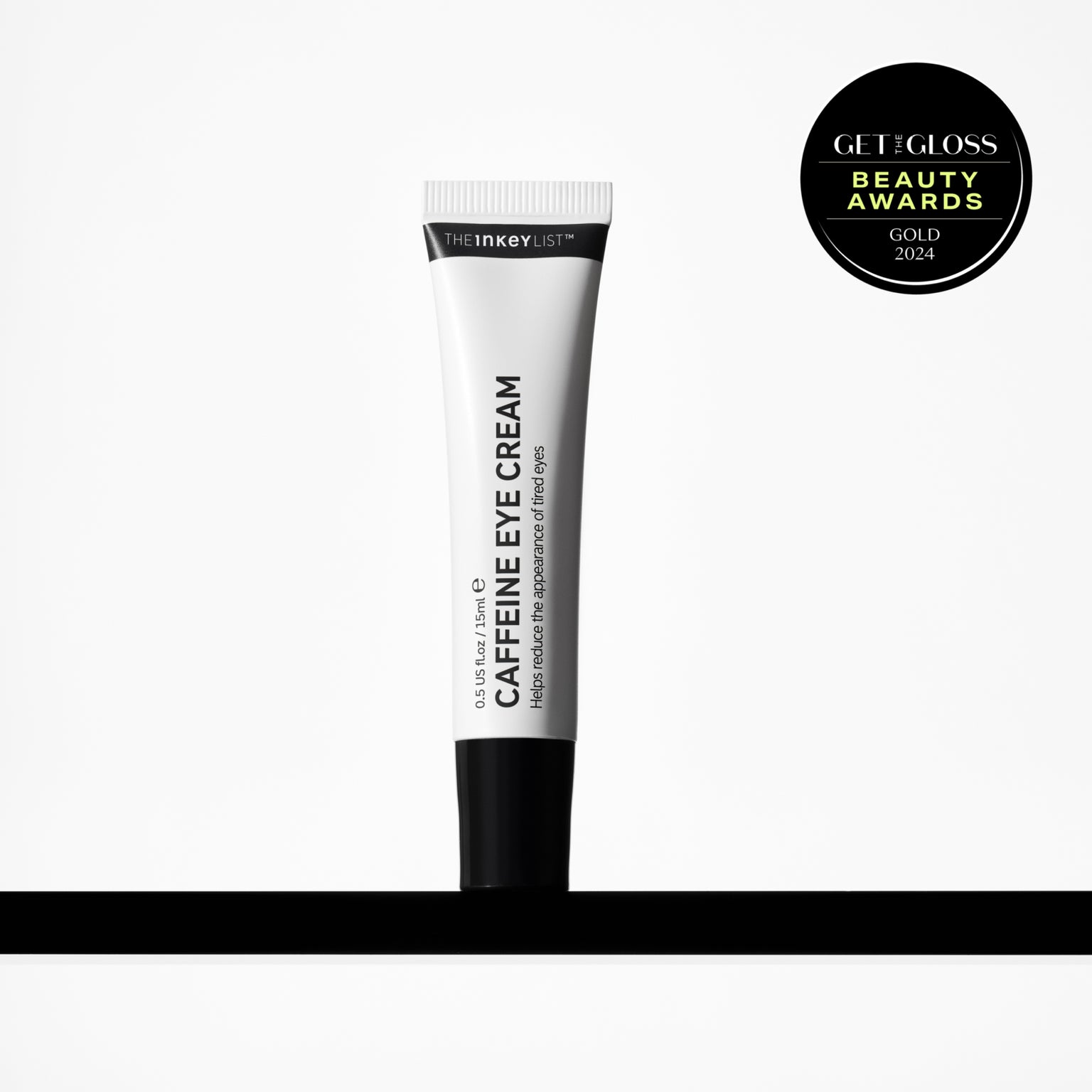
The Inkey List
Caffeine Eye Cream

The Ordinary
Caffeine Solution 5% + EGCG Eye Serum

The Ordinary
Multi-Peptide Eye Serum

The Ordinary