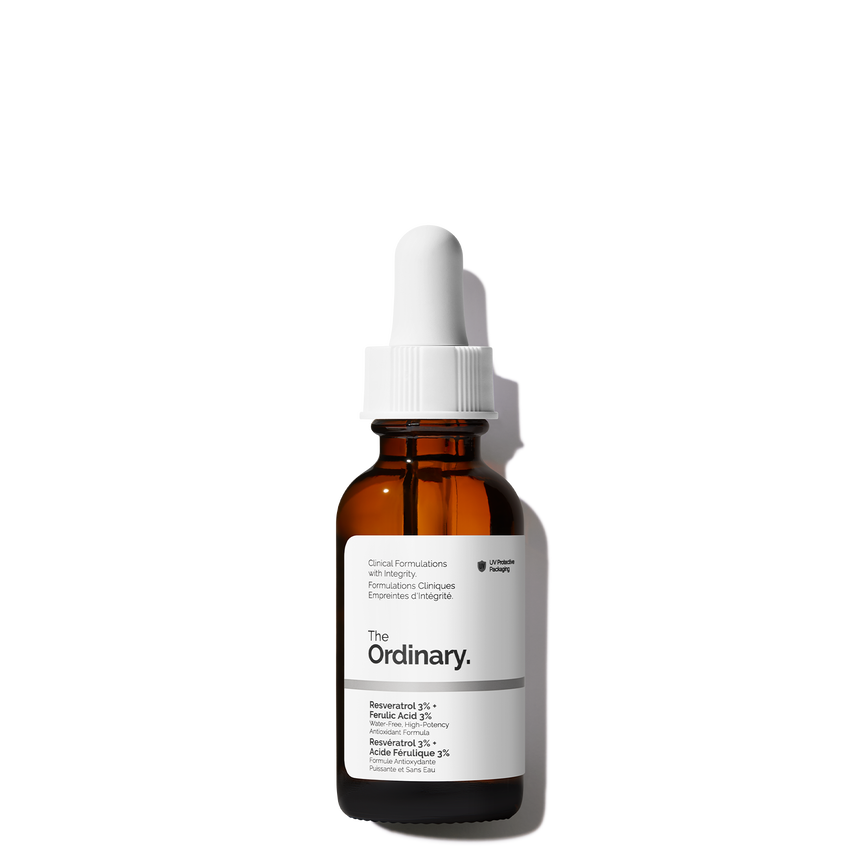
Researched by Helena DeMaria-Williams
Formula IngredientAntioxidantFerulic Acid
INCI: 4-Hydroxy-3-Methoxycinnamic Acid
Ferulic acid is a naturally occurring phenolic antioxidant found in the cell walls of plants, particularly in the bran of grasses such as rice, wheat, and oats. It works by neutralising free radicals caused by UV exposure and environmental pollution, protecting skin cells from oxidative damage. It is best known in skincare for its ability to dramatically stabilise and enhance the efficacy of vitamins C and E when combined in a formulation.
Category
Antioxidant
Irritation Risk
Low
Skin Types
all skin types, oily, acne-prone, sensitive, hyperpigmentation, anti-ageing concerns, dull skin
What does this do in a formula?
antioxidant protection, photoprotection, stabilises vitamin C and vitamin E, brightening, anti-ageing, reduces UV-induced oxidative damage
Is Ferulic Acid safe? Key considerations
Can Ferulic Acid cause irritation?
Low RiskFerulic acid is generally very well tolerated at typical cosmetic concentrations (0.5–1%). It is not restricted under EU CosIng Annex II or III. Rare cases of contact sensitisation have been reported, particularly in those with phenol sensitivities. Patch testing is advisable for very sensitive skin.
Does Ferulic Acid increase sun sensitivity?
No RiskFerulic acid does not increase photosensitivity. On the contrary, it provides photoprotective benefits by neutralising UV-generated free radicals. It is often used alongside SPF as a complementary antioxidant defence.
Is Ferulic Acid safe during pregnancy?
SafeFerulic acid is considered safe for use during pregnancy. It is a plant-derived antioxidant with no known reproductive or developmental toxicity concerns. No contraindications have been identified in available safety databases. As always, consult a healthcare provider if in doubt.
How does Ferulic Acid work?
Ferulic acid is a naturally occurring phenolic antioxidant found in the cell walls of plants, particularly in the bran of grasses such as rice, wheat, and oats. It works by neutralising free radicals caused by UV exposure and environmental pollution, protecting skin cells from oxidative damage. It is best known in skincare for its ability to dramatically stabilise and enhance the efficacy of vitamins C and E when combined in a formulation.
Individuals with known phenol or cinnamic acid sensitivity should review the considerations above before use.
In our shop