Researched by Helena DeMaria-Williams
Formula IngredientPolyhydroxy AcidGluconolactone
INCI: Gluconolactone
Gluconolactone is a polyhydroxy acid (PHA) and the lactone form of gluconic acid, derived from glucose. It functions as a gentle exfoliant with a larger molecular size than AHAs such as glycolic acid, meaning it penetrates skin more slowly and causes significantly less irritation. It also acts as a humectant, antioxidant, and chelating agent, providing moisturising and anti-ageing benefits alongside exfoliation.
Category
Polyhydroxy Acid
Irritation Risk
Low
Skin Types
sensitive, rosacea-prone, dry, acne-prone, hyperpigmentation, post-procedure, mature skin
What does this do in a formula?
gentle exfoliation, anti-ageing, moisturisation, antioxidant protection, skin barrier support, chelation, brightening, smoothing texture
Is Gluconolactone safe? Key considerations
Can Gluconolactone cause irritation?
Low RiskGluconolactone is widely considered one of the gentlest chemical exfoliants available. Clinical studies show it produces significantly less stinging, burning, and redness than AHAs at equivalent concentrations, making it suitable for sensitive, rosacea-prone, and post-procedure skin. No EU CosIng Annex II or III restrictions apply.
Does Gluconolactone increase sun sensitivity?
No RiskUnlike AHAs such as glycolic acid, clinical studies have demonstrated that gluconolactone does not increase photosensitivity or sunburn cell formation after UV exposure. Daily SPF use is still recommended as good practice when using any exfoliant, but gluconolactone does not carry the same photosensitisation risk as traditional AHAs.
Is Gluconolactone safe during pregnancy?
CautionGluconolactone is a PHA with minimal systemic absorption due to its large molecular size, making it generally considered lower risk than AHAs or retinoids during pregnancy. It is also approved as a food additive (E575), suggesting low systemic toxicity. However, no dedicated pregnancy safety studies exist for topical gluconolactone, and neither EWG Skin Deep, MotherToBaby, nor FDA have issued specific guidance for PHAs. Low-concentration leave-on products are likely low risk, but consulting a healthcare provider before use is advised — particularly for high-concentration treatments.
How does Gluconolactone work?
Gluconolactone is a polyhydroxy acid (PHA) and the lactone form of gluconic acid, derived from glucose. It functions as a gentle exfoliant with a larger molecular size than AHAs such as glycolic acid, meaning it penetrates skin more slowly and causes significantly less irritation. It also acts as a humectant, antioxidant, and chelating agent, providing moisturising and anti-ageing benefits alongside exfoliation.
Individuals with known allergy to gluconolactone or related PHAs should review the considerations above before use.
In our shop
Which products contain Gluconolactone?
Browse all Gluconolactone products →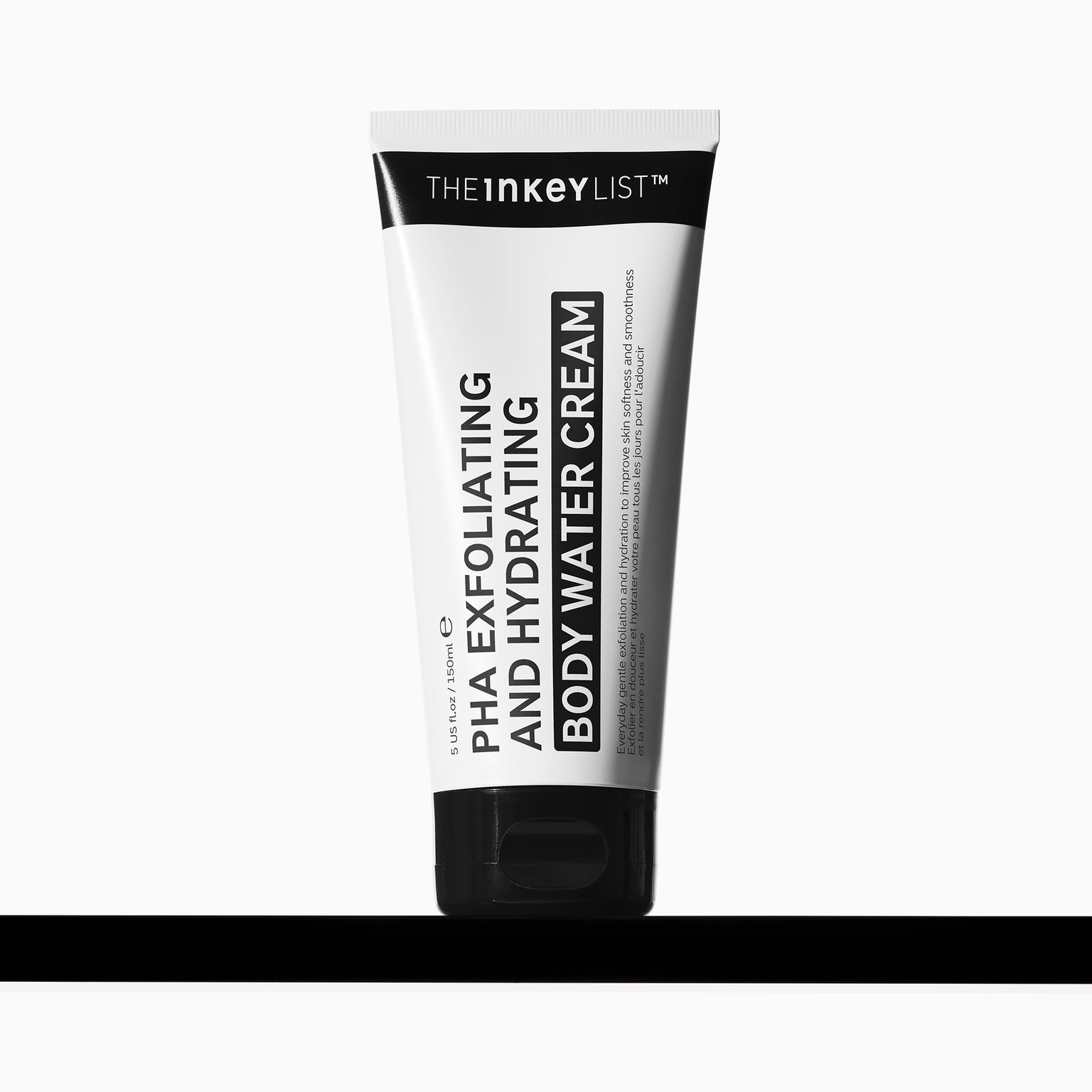
The Inkey List
PHA Body Water Cream

The Inkey List
PHA Toner
.png?sw=450&sh=450&sm=fit&q=85)
Cetaphil
Gentle Exfoliating Salicylic Acid Cleanser, For Face & Body

The Ordinary