Researched by Helena DeMaria-Williams
Formula IngredientHumectantGlycerin
INCI: Glycerin
Glycerin (also known as glycerol) is a naturally occurring polyhydric alcohol found in the outermost layer of human skin. It works as a powerful humectant by drawing water from the environment and deeper skin layers into the stratum corneum, and also helps maintain healthy cell membranes and intracellular lipids. It has been used safely in cosmetics for over 50 years.
Category
Humectant
Irritation Risk
Low
Skin Types
all skin types, dry skin, sensitive skin, acne-prone skin, mature skin
What does this do in a formula?
moisturisation, skin barrier repair, protection against irritation, normalising skin shedding, hydration
Is Glycerin safe? Key considerations
Can Glycerin cause irritation?
Low RiskIrritancy rating of 0 — one of the least irritating cosmetic ingredients. No known Annex II or III restrictions in EU CosIng. Pure undiluted glycerin (99.7%) should be avoided as it may draw water from deeper skin layers, but at typical cosmetic concentrations it is well tolerated by all skin types.
Does Glycerin increase sun sensitivity?
No RiskGlycerin does not increase photosensitivity. No special sun protection measures are required when using glycerin-containing products.
Is Glycerin safe during pregnancy?
SafeGlycerin is a skin-identical ingredient with a well-established safety record. It is widely considered safe during pregnancy. No reproductive or developmental concerns are noted in available safety data.
How does Glycerin work?
Glycerin (also known as glycerol) is a naturally occurring polyhydric alcohol found in the outermost layer of human skin. It works as a powerful humectant by drawing water from the environment and deeper skin layers into the stratum corneum, and also helps maintain healthy cell membranes and intracellular lipids. It has been used safely in cosmetics for over 50 years.
Individuals with pure undiluted glycerin (99.7%) should be avoided on skin should review the considerations above before use.
In our shop
Which products contain Glycerin?
Browse all Glycerin products →
The Inkey List
Omega Water Cream

The Inkey List
Dewy Sunscreen SPF 30

The Inkey List
Supersize Omega Water Cream
The Inkey List
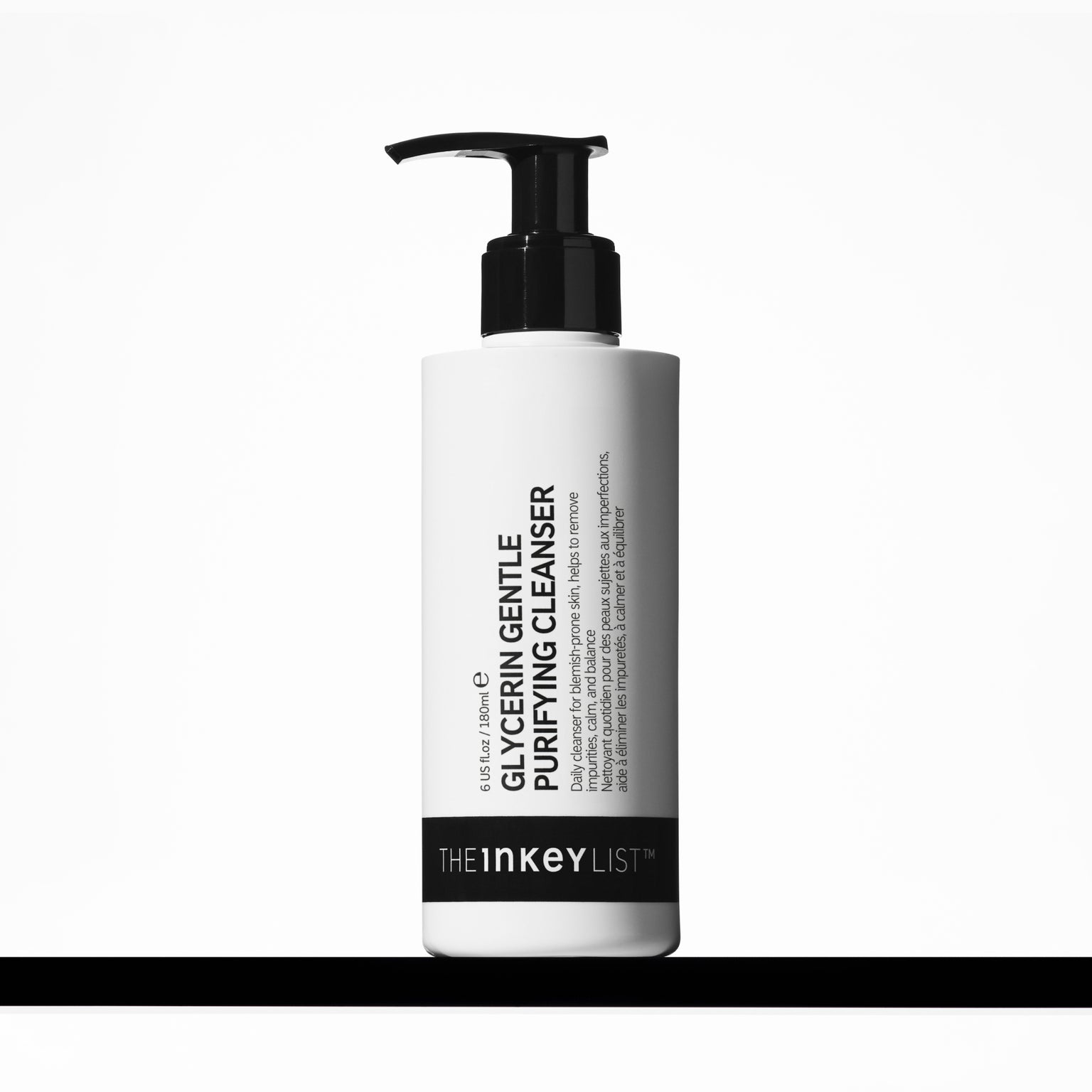
Glycerin Gentle Purifying Cleanser

Cetaphil
Oily Skin Cleanser

The Ordinary
PHA 5% Exfoliating Lip Serum
The Ordinary