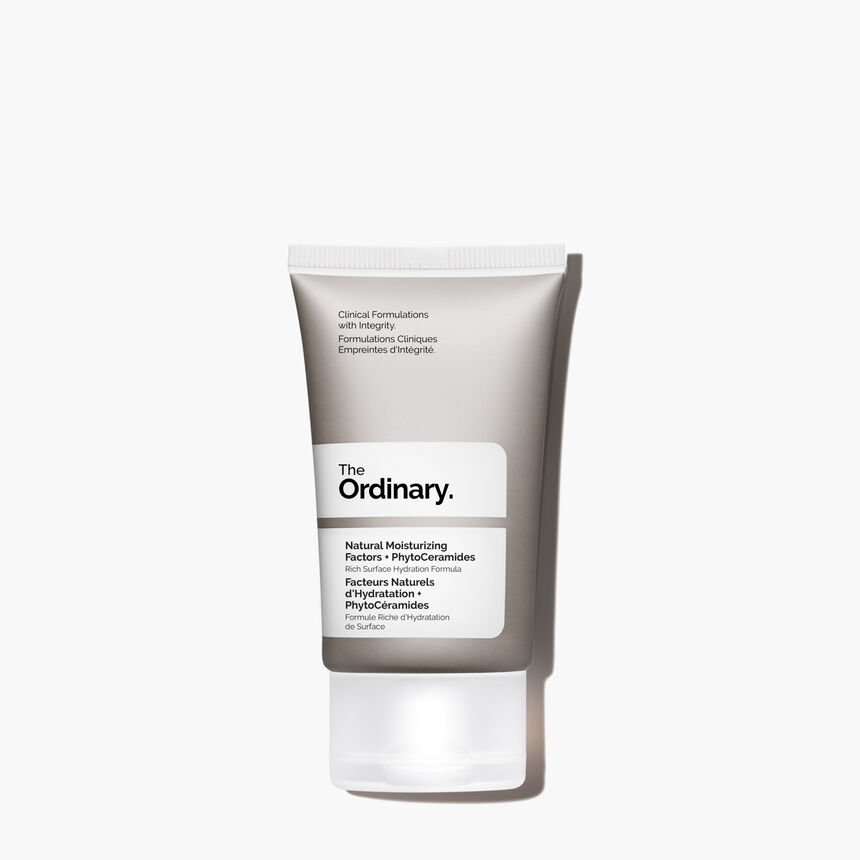
Researched by Helena DeMaria-Williams
Formula IngredientEmollient, Skin ConditioningGlycosphingolipids
INCI: Glycosphingolipids
Glycosphingolipids are a class of lipids composed of a ceramide backbone linked to one or more sugar (glycan) molecules. They are naturally found in the cell membranes of living organisms, where they play a key role in maintaining membrane stability and cellular recognition — enabling cells to form organised tissue structures like skin. In skincare formulations, they function as ceramide-like agents that help reinforce the skin's protective lipid barrier and reduce moisture loss.
Category
Emollient, Skin Conditioning
Irritation Risk
Low
Skin Types
dry, sensitive, damaged, mature, acne-prone, all skin types
What does this do in a formula?
skin barrier reinforcement, moisturisation, anti-inflammatory, reduction of fine lines, skin conditioning, emollient
Is Glycosphingolipids safe? Key considerations
Can Glycosphingolipids cause irritation?
Low RiskGlycosphingolipids are well-tolerated and adverse reactions are uncommon. No EU CosIng Annex II or III restrictions apply. Patch testing is advisable for those with sensitive skin prior to widespread use, though no significant irritation risk is documented in available safety data.
Does Glycosphingolipids increase sun sensitivity?
No RiskGlycosphingolipids do not increase photosensitivity. No special sun protection measures are required based on this ingredient's presence in a formulation.
Is Glycosphingolipids safe during pregnancy?
CautionThere is insufficient published data on the topical safety of glycosphingolipids during pregnancy and breastfeeding. While no specific concerns have been identified, consultation with a healthcare professional is recommended before use during pregnancy.
How does Glycosphingolipids work?
Glycosphingolipids are a class of lipids composed of a ceramide backbone linked to one or more sugar (glycan) molecules. They are naturally found in the cell membranes of living organisms, where they play a key role in maintaining membrane stability and cellular recognition — enabling cells to form organised tissue structures like skin. In skincare formulations, they function as ceramide-like agents that help reinforce the skin's protective lipid barrier and reduce moisture loss.
In our shop