Researched by Helena DeMaria-Williams
Formula IngredientHumectantPCA
INCI: PCA
PCA (pyrrolidone carboxylic acid), also known as pidolic acid or L-pyroglutamic acid, is a naturally occurring amino acid derivative found in human skin as a key component of the Natural Moisturising Factor (NMF). It accounts for approximately 12% of NMF composition, making it the second largest NMF component after amino acids. It works as a humectant by attracting and binding water to the skin, helping to maintain optimal hydration levels.
Category
Humectant
Irritation Risk
Low
Skin Types
all skin types, dry, dehydrated, sensitive, mature, normal, oily, combination
What does this do in a formula?
hydration, moisture retention, skin barrier support, skin conditioning, NMF replenishment
Is PCA safe? Key considerations
Can PCA cause irritation?
Low RiskPCA is non-irritating and non-sensitising in clinical tests, as confirmed by the Cosmetic Ingredient Review (CIR) panel. It is naturally present in skin tissue, making adverse reactions very uncommon. No EU CosIng Annex II or III restrictions apply.
Does PCA increase sun sensitivity?
No RiskPCA does not increase photosensitivity. No phototoxicity or photosensitisation has been observed in testing. No additional sun protection is required solely due to this ingredient.
Is PCA safe during pregnancy?
SafeThe CIR concluded that PCA is safe as used in cosmetic formulations. Topical application results in low skin penetration and minimal systemic absorption. PCA is naturally present in human skin tissue. No specific pregnancy risks have been identified, though clinical pregnancy-specific studies remain limited (MotherFigure; CIR safety review).
How does PCA work?
PCA (pyrrolidone carboxylic acid), also known as pidolic acid or L-pyroglutamic acid, is a naturally occurring amino acid derivative found in human skin as a key component of the Natural Moisturising Factor (NMF). It accounts for approximately 12% of NMF composition, making it the second largest NMF component after amino acids. It works as a humectant by attracting and binding water to the skin, helping to maintain optimal hydration levels.
Individuals with known allergy to pyrrolidone carboxylic acid (very rare) should review the considerations above before use.
In our shop
Which products contain PCA?
Browse all Pca products →
The Inkey List
20% Niacinamide Serum

The Ordinary
Niacinamide 10% + Zinc 1%

The Ordinary
Natural Moisturizing Factors + HA
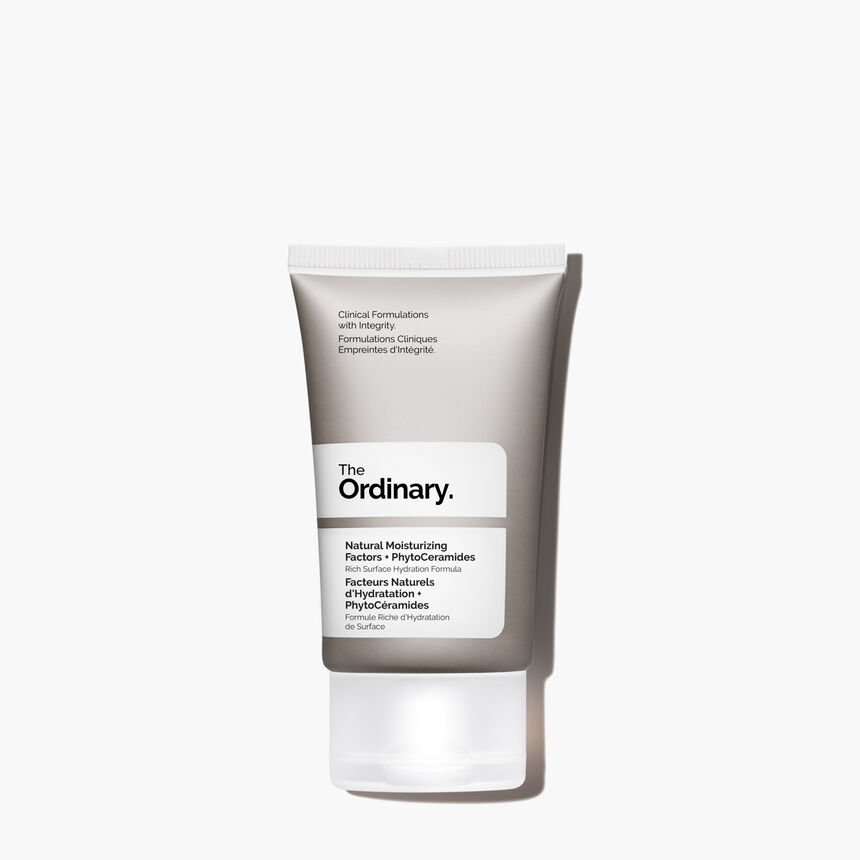
The Ordinary
Natural Moisturizing Factors + PhytoCeramides

The Ordinary
Natural Moisturizing Factors + Inulin Body Lotion

The Ordinary