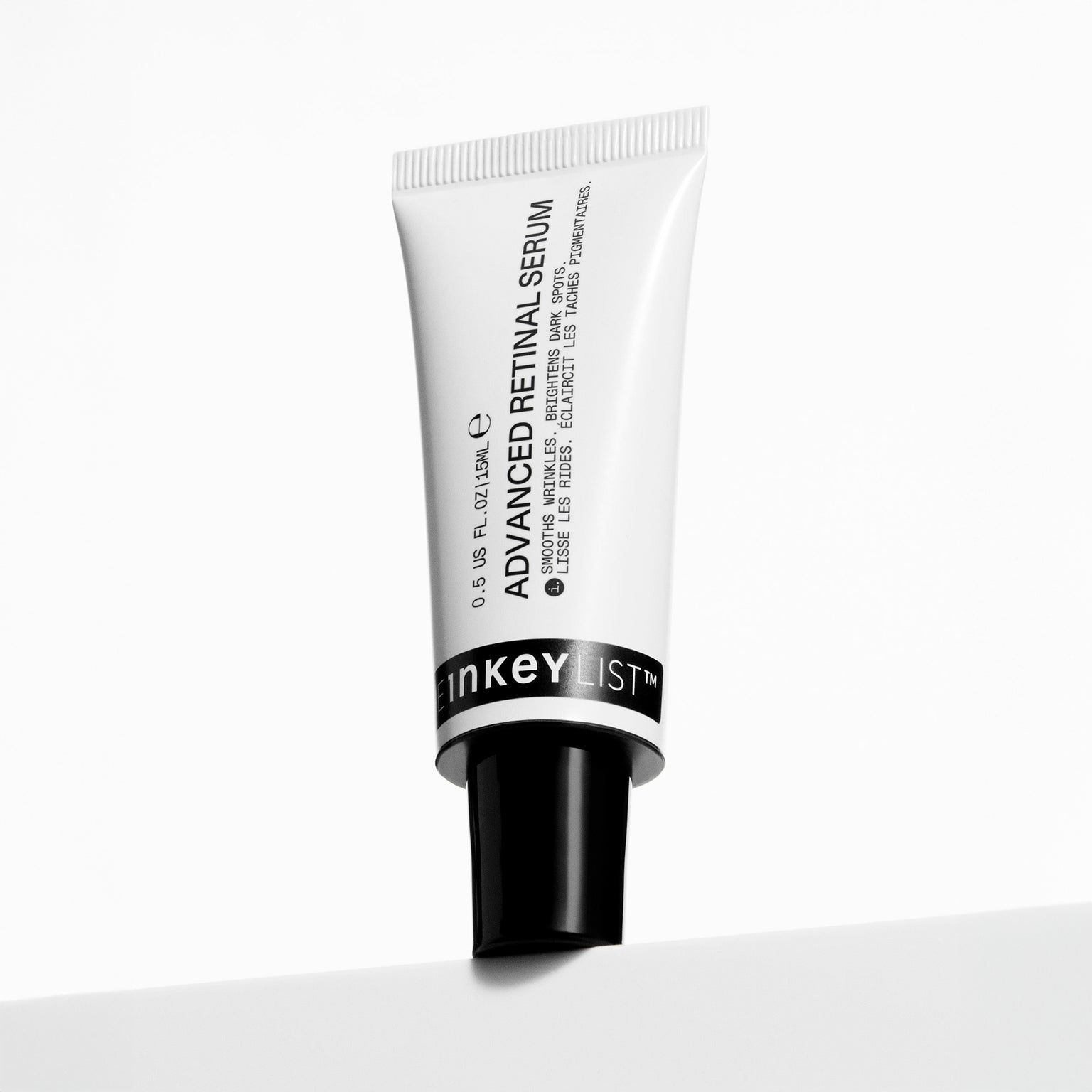
Researched by Helena DeMaria-Williams
Active IngredientRetinoidRetinal
INCI: Retinal
Retinal (retinaldehyde) is a vitamin A derivative that sits one conversion step away from retinoic acid — the most active form of retinol used by skin cells. Because it requires only one enzymatic conversion (compared to retinol's two steps), it delivers retinoid benefits more efficiently while remaining better tolerated than prescription-strength retinoic acid. It stimulates collagen production, accelerates cell turnover, and has proven anti-acne and anti-ageing efficacy.
Typical Concentration
Best For Skin Types
CAS Number
116-31-4
What are the benefits of Retinal?
Is Retinal safe? Key considerations
Can Retinal cause irritation?
Medium RiskRetinal is significantly better tolerated than prescription retinoic acid and has a good tolerance profile, but can still cause initial redness, peeling, and sensitivity — especially when first introduced. Those new to retinoids should start 2–3 times per week and build up frequency gradually.
Does Retinal increase sun sensitivity?
Yes RiskAs a retinoid, retinal increases photosensitivity. It should be used in evening routines only, and daily SPF 30+ is essential. Sun exposure without protection during retinoid use can lead to increased UV damage and irritation.
Is Retinal safe during pregnancy?
AvoidAll topical retinoids, including retinal, should be avoided during pregnancy. Vitamin A derivatives are associated with teratogenicity at high doses. While the systemic absorption from topical use is low, regulatory bodies and dermatologists recommend discontinuing all retinoids when pregnant or trying to conceive. (Source: EWG, NHS, MotherToBaby)
How does Retinal work?
Retinal is a retinoid active used across a range of concentrations depending on the application and product format.
Particularly beneficial for anti-ageing concerns and acne-prone and oily and hyperpigmentation and dull skin and uneven texture skin.
Individuals with pregnancy, breastfeeding, active eczema or rosacea flare-ups, use alongside prescription retinoids, very sensitive skin (introduce with caution) should review the considerations above before use.
How do you use Retinal in your routine?
A step-by-step guide to introducing Retinal into your skincare routine safely and effectively.
Choose the right concentration
Start with a product containing 0.03–0.1% for beginners. Lower concentrations are better for beginners or sensitive skin.
Patch test first
Retinal has a medium irritation risk. Apply a small amount to your inner forearm and wait 24 hours before using it on your face.
Introduce gradually
Start by using Retinal 2–3 times per week in the evening. If your skin tolerates it well after 2 weeks, you can increase frequency.
Apply in the evening
Retinal increases sun sensitivity, so use it in your evening routine. If you use it during the day, broad-spectrum SPF 30+ is essential.
Follow with moisturiser
After Retinal has absorbed, apply a moisturiser to support your skin barrier. This is especially important when using active ingredients.
Wear SPF daily
While using Retinal, apply broad-spectrum SPF 30+ every morning, even on cloudy days. Reapply every 2 hours if you're spending time outdoors.
Science & Research
Research references for this ingredient are coming soon.