Researched by Helena DeMaria-Williams
Formula IngredientRetinoidRetinol
INCI: Retinol
Retinol is a form of vitamin A and one of the most well-researched anti-ageing skincare ingredients. It is a cell-communicating ingredient that must be converted in the skin through two enzymatic steps (retinol → retinaldehyde → retinoic acid) before it becomes biologically active. It is approximately 10–20 times less potent than prescription tretinoin, making it more tolerable for OTC use.
Category
Retinoid
Irritation Risk
Medium
Skin Types
oily, acne-prone, anti-ageing concerns, hyperpigmentation, dull skin, uneven texture
What does this do in a formula?
anti-ageing, wrinkle reduction, collagen stimulation, skin firming, cell turnover, brightening, smoothing texture, acne treatment, pore minimising, fading hyperpigmentation
Is Retinol safe? Key considerations
Can Retinol cause irritation?
Medium RiskRetinol is significantly better tolerated than prescription retinoic acid but can still cause initial redness, dryness, flaking, and sensitivity — especially at concentrations above 0.5% or when first introduced. Beginners should start with 0.1–0.25% applied 2–3 times per week and build up gradually. The 'sandwich method' (applying between moisturiser layers) can reduce irritation.
Does Retinol increase sun sensitivity?
Yes RiskRetinol increases photosensitivity and should be used as part of a PM routine only. Daily SPF 30+ is strongly recommended during treatment, as the skin is more vulnerable to UV-induced damage while using retinoids.
Is Retinol safe during pregnancy?
AvoidAll topical retinoids, including retinol, are advised to be avoided during pregnancy and breastfeeding. While systemic absorption from topical OTC retinol is low, the teratogenic risk associated with the retinoid class means avoidance is the standard clinical recommendation. Consult a healthcare provider.
How does Retinol work?
Retinol is a form of vitamin A and one of the most well-researched anti-ageing skincare ingredients. It is a cell-communicating ingredient that must be converted in the skin through two enzymatic steps (retinol → retinaldehyde → retinoic acid) before it becomes biologically active. It is approximately 10–20 times less potent than prescription tretinoin, making it more tolerable for OTC use.
Individuals with pregnancy, breastfeeding, sensitive skin (without medical guidance), rosacea, eczema, active sunburn, open wounds should review the considerations above before use.
In our shop
Which products contain Retinol?
Browse all Retinol products →
The Inkey List
1% Retinol Serum
The Inkey List
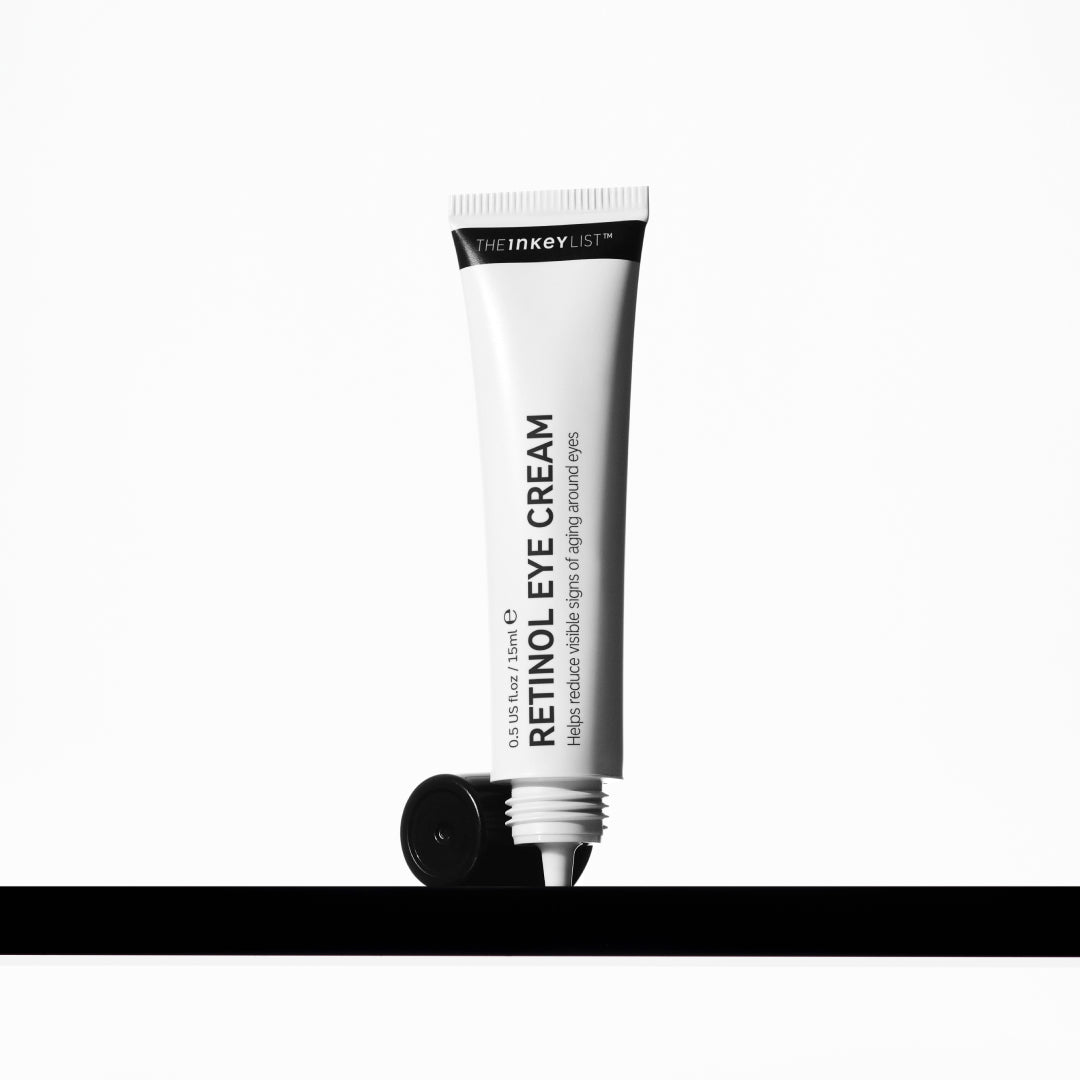
Retinol Eye Cream

The Inkey List
Blemish Clearing Moisturiser with 2% Novoretin

The Ordinary
Granactive Retinoid 2% Emulsion

The Ordinary
Retinol 1% in Squalane

The Ordinary
Retinol 0.5% in Squalane

The Ordinary