Researched by Helena DeMaria-Williams
Formula IngredientHumectant, KeratolyticUrea
INCI: Urea
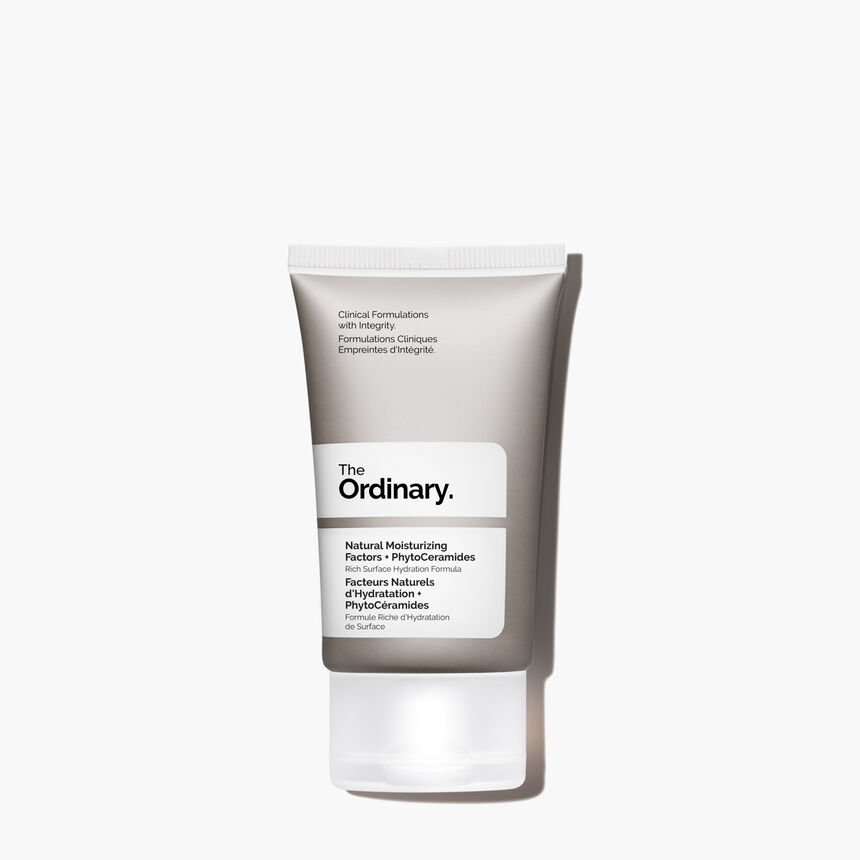
Urea is a naturally occurring component of skin and a key natural moisturizing factor (NMF), comprising approximately 7% of the skin's NMF alongside amino acids, PCA, and lactate. At lower concentrations it acts as a humectant, drawing water into the skin and reinforcing barrier function; at higher concentrations (above 10%) it becomes keratolytic, breaking down the protein bonds that hold dead skin cells together and softening thickened or rough skin.
Category
Humectant, Keratolytic
Irritation Risk
Low
Skin Types
dry, very dry, rough, flaky, thickened skin, eczema-prone, ichthyosis, psoriasis, xerosis, diabetic foot care
What does this do in a formula?
deep hydration, barrier reinforcement, keratolytic exfoliation, softening rough/thickened skin, improving skin texture, enhancing penetration of other actives
Is Urea safe? Key considerations
Can Urea cause irritation?
Low RiskGenerally well tolerated at concentrations up to 10%. At higher concentrations (20–40%) some stinging or tingling may occur, especially on broken or very sensitive skin. Not listed under EU Annex II or III restrictions.
Does Urea increase sun sensitivity?
No RiskUrea does not increase photosensitivity. No special sun protection is required solely because of urea use.
Is Urea safe during pregnancy?
SafeUrea is a naturally occurring compound in the body and is considered safe during pregnancy when used topically in standard cosmetic concentrations (2–10%). High-concentration urea preparations used medically should be discussed with a healthcare provider.
How does Urea work?
Urea is a naturally occurring component of skin and a key natural moisturizing factor (NMF), comprising approximately 7% of the skin's NMF alongside amino acids, PCA, and lactate. At lower concentrations it acts as a humectant, drawing water into the skin and reinforcing barrier function; at higher concentrations (above 10%) it becomes keratolytic, breaking down the protein bonds that hold dead skin cells together and softening thickened or rough skin.
Individuals with open wounds, raw or broken skin (stinging risk at higher concentrations), known hypersensitivity to urea should review the considerations above before use.
In our shop