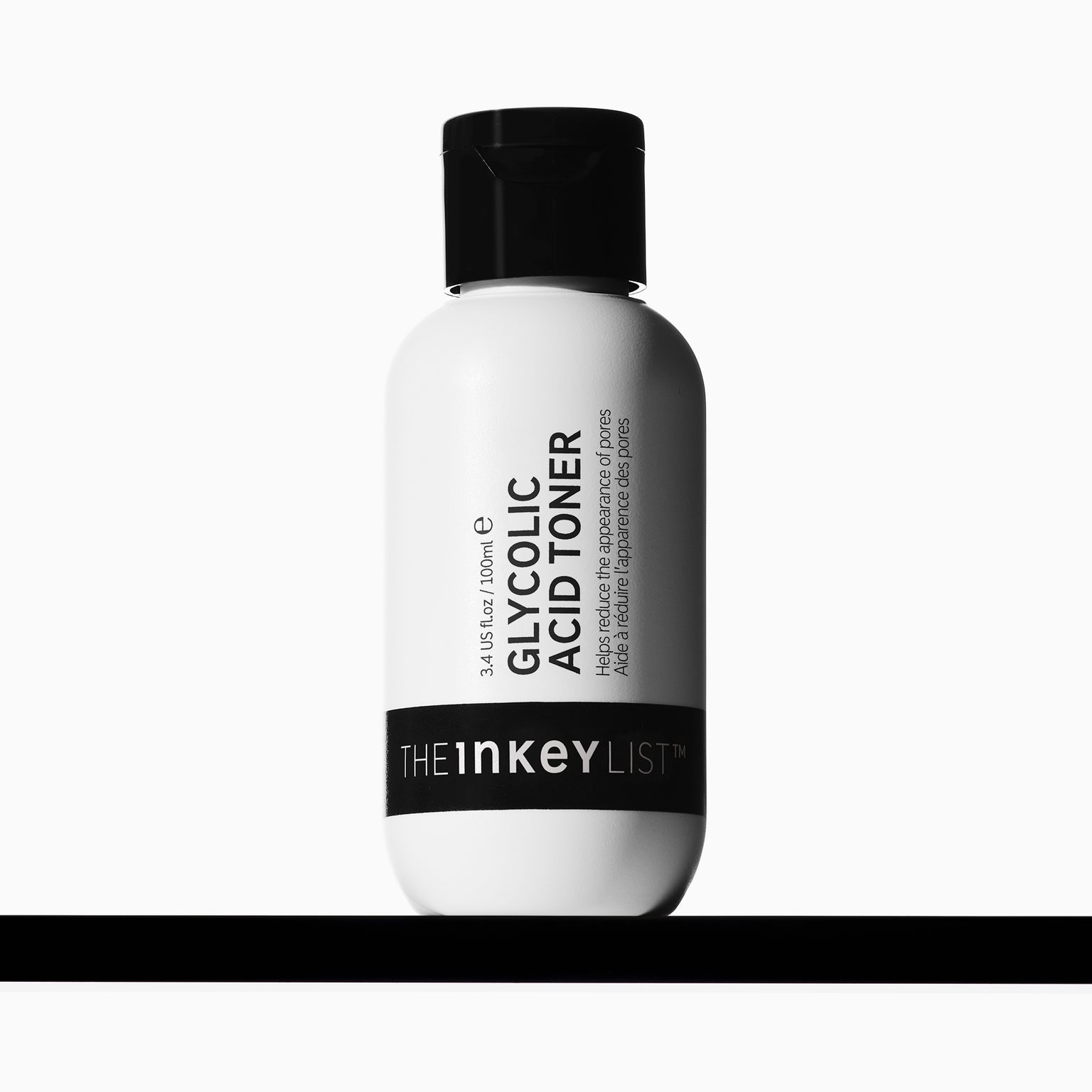
Yes, you can use AHA and BHA in the same routine — but it requires more care than using either one alone. Alpha hydroxy acids (like glycolic and lactic acid) and beta hydroxy acid (salicylic acid) are both exfoliants, but they work on different layers of the skin and solve different problems. AHAs dissolve the bonds between dead cells on the skin's surface, improving texture, brightness, and fine lines. BHA is oil-soluble, so it penetrates into pores to clear out congestion, blackheads, and excess sebum. The combination can be powerful. It can also be too much. Knowing the difference between using them well and overusing them is the entire point of this guide.
How AHAs and BHAs Work Differently
AHAs — glycolic acid, lactic acid, mandelic acid — are water-soluble acids that work on the outermost layer of skin. They loosen the "glue" (desmosomes) holding dead skin cells together, allowing them to shed faster. The result is smoother texture, more even tone, and improved absorption of other products. Glycolic acid is the smallest molecule and penetrates deepest. Lactic acid is larger, gentler, and adds some hydration. Mandelic acid is the gentlest of the three.
BHA — in skincare, this almost always means salicylic acid — is oil-soluble. That's the key distinction. Because it dissolves in oil, it can penetrate into the pore lining where sebum accumulates. It breaks down the debris inside pores, reduces inflammation, and helps prevent new blockages from forming. This makes it particularly effective for blackheads, whiteheads, and acne-prone skin. It also has mild anti-inflammatory properties that AHAs don't share.
AHAs work on the surface. BHA works inside the pore. They're solving different problems — which is exactly why combining them can make sense.
When Using Both Makes Sense
The combination is most useful for people dealing with both surface texture issues and pore congestion. If your skin is dull and rough but also prone to blackheads or hormonal breakouts, a single acid only addresses half the problem. AHA alone won't clear congested pores. BHA alone won't do much for surface texture or sun damage pigmentation. Using both, thoughtfully, covers both concerns.
It also makes sense for oily skin types that can tolerate more active exfoliation. Oily skin tends to have a thicker stratum corneum and more resilient barrier, which means it can generally handle the combined exfoliation without the sensitivity that drier or thinner skin types might experience.
Three Ways to Combine Them
The safest and most common approach is to alternate them on different days. Use your AHA two or three evenings per week, and your BHA on the other evenings. This gives your skin the benefits of both without compounding irritation in a single session. Most dermatologists recommend starting here.
The second approach is to split them between morning and evening. BHA in the morning — it sits well under SPF and helps control oil through the day — and AHA in the evening, where it can work overnight without UV exposure. This is effective, but it does mean your skin is being chemically exfoliated twice a day, so monitor carefully for signs of over-exfoliation.
The third approach is to use a product that combines both in a single formula. Many exfoliating toners and serums contain both AHA and BHA at lower concentrations, balanced to be used together safely. If a brand has formulated them into one product, they've already adjusted the concentrations and pH to work in combination — you don't need to worry about layering. This is the simplest option for people who want both benefits without managing two separate products.
Start by alternating nights. If your skin handles that well after three to four weeks, you can experiment with using both in a single routine — but there's rarely a reason to rush.
The Over-Exfoliation Risk
This is the real danger with combining AHA and BHA, and it's the reason caution matters more than enthusiasm. Both are exfoliants. Using two exfoliants in the same routine, at full strength, every day, will compromise your skin barrier. The signs are unmistakable: persistent tightness, stinging when applying products that normally feel fine, redness that doesn't resolve, increased sensitivity to temperature changes, and sometimes a waxy, shiny appearance to the skin.
Over-exfoliated skin is more vulnerable to UV damage, more prone to breakouts (because the barrier can't regulate itself properly), and more reactive to every product in your routine. Repairing a damaged barrier takes weeks of stripping back your routine to basics — cleanser, moisturiser, SPF, nothing else — while the skin heals. It's much easier to avoid this by starting conservatively.
A useful rule of thumb: your skin should never feel raw, stinging, or tight after exfoliation. A mild tingling with an AHA is normal. Anything beyond that is your skin telling you to pull back.
What About pH?
Both AHAs and BHAs are pH-dependent, meaning they need an acidic environment to work effectively. Glycolic acid works best between pH 3 and 4. Salicylic acid is effective between pH 3 and 4 as well. This is actually a point in favour of combining them — they operate in a similar pH range, so layering one after the other doesn't create the kind of pH conflict that can occur when pairing acids with high-pH products like niacinamide serums.
If you're layering them in the same routine, apply whichever has the lower pH first (usually the AHA), let it absorb for a minute, then follow with the second. In practice, the pH difference between most AHA and BHA products is small enough that the order matters less than the total amount of exfoliation your skin is receiving.
Who Should Avoid This Combination
If you have sensitive skin, rosacea, or a history of eczema, doubling up on exfoliants is unlikely to be worth the risk. Stick with one — and at a lower concentration. Lactic acid or a gentle BHA (0.5% salicylic acid) used alone two or three times a week is a better starting point.
If you're already using retinol or tretinoin, adding both an AHA and a BHA on top is almost certainly too much. Retinoids increase cell turnover on their own. Adding two chemical exfoliants to that creates a recipe for barrier damage. If you want to combine acids with a retinoid, choose one acid — not both — and use them on alternate nights.
If you've recently had a professional chemical peel, laser treatment, or microneedling, avoid all chemical exfoliants until your skin has fully healed. This typically takes at least two weeks, but follow your practitioner's advice.
A Practical Weekly Schedule
For most people, here's a sensible starting point. Monday and Thursday evenings: AHA (glycolic or lactic acid). Tuesday and Friday evenings: BHA (salicylic acid). Wednesday, Saturday, Sunday: no exfoliants — just cleanser, hydrating serum or moisturiser, and SPF in the morning. After four weeks, if your skin is tolerating this well with no signs of irritation, you can increase frequency or try using both in a single evening session.
Every morning, regardless of what you used the night before, apply SPF. Both AHAs and BHAs increase photosensitivity, and using them without sun protection undoes much of their benefit while increasing your risk of hyperpigmentation — the exact problem many people are trying to solve.
Frequently Asked Questions
Can I use AHA and BHA at the same time? Yes, either by using a product that contains both or by layering them in a single routine. Start with alternate days first to assess your tolerance.
Which should I apply first, AHA or BHA? If layering, apply the thinner or lower-pH product first. In most cases this is the AHA, but it depends on the specific products. The order is less important than the total amount of exfoliation.
How do I know if I'm over-exfoliating? Persistent tightness, stinging with normally comfortable products, unusual redness, and a shiny or waxy skin texture are the main signs. If any of these appear, stop all exfoliants and focus on barrier repair.
Can I use AHA and BHA with retinol? Use one acid with retinol, not both. Alternating an AHA or BHA with retinol on different nights is the safest approach. Using all three will almost certainly damage your barrier.
Is a combined AHA/BHA product better than using them separately? Combined products use lower concentrations of each, which reduces irritation risk. Separate products give you more control over strength and frequency. Both approaches work — the best choice depends on your skin's tolerance and how much you want to fine-tune.