The skincare industry has a vested interest in making you think you need more products. You don't. A four-product routine applied consistently will outperform a complicated ten-step routine you half-follow because you don't understand what each thing does. This is where to start: a cleanser, a serum, a moisturiser, and an SPF. That's it. Everything else comes later, once you know what your skin actually needs.
Why Four Products?
There are two practical reasons to start small. First, if something causes a reaction, you need to be able to identify it. Introduce six products at once and you have no way of knowing which one is the problem. Second, your skin needs time to adjust to new products. Overloading it from the start is one of the most common reasons people give up on skincare after a few weeks.
Four products also forces you to choose well. Every slot matters, so you end up with products that are actually doing something rather than a shelf full of overlapping formulas.
Product 1: A Gentle Cleanser
The job of a cleanser is to remove dirt, excess oil, and SPF without stripping the skin's natural moisture barrier. That's it. A good beginner cleanser should leave your skin feeling clean but not tight or dry. If your skin feels squeaky or uncomfortable after washing, the cleanser is too harsh.
For most skin types, a simple low-pH gel or cream cleanser works well. The Cetaphil Gentle Skin Cleanser (£11.50) is one of the most widely recommended entry points: fragrance-free, non-stripping, and gentle enough for daily use morning and evening. If your skin is oily or acne-prone, the Cetaphil Oily Skin Cleanser (£10) includes niacinamide and panthenol and is formulated specifically to manage excess sebum without over-drying.
Product 2: A Niacinamide Serum
If there's one active ingredient to start with, it's niacinamide. It regulates sebum production, strengthens the skin barrier, reduces redness and post-inflammatory marks, and suits every skin type including sensitive. It doesn't require a wait time before applying other products, doesn't increase sun sensitivity, and has a very low irritation risk. For a first active, it's almost impossible to go wrong.
The Ordinary Niacinamide 10% + Zinc 1% (£5) is the benchmark product in this category. At that price, with a proven formula that includes zinc PCA for additional sebum regulation, it's an exceptional starting point. Apply it after cleansing on clean, dry skin before your moisturiser.
Niacinamide is the ideal first active: it works for every skin type, has almost no irritation risk, and addresses the concerns most beginners actually have.
Product 3: A Ceramide Moisturiser
A moisturiser does two things: it adds hydration and it seals it in. The best beginner moisturisers include ceramides, which are the lipids that make up your skin's natural barrier. When the barrier is intact, skin holds moisture better, reacts less to environmental irritants, and tolerates actives more easily. Ceramides aren't exciting, but they're the foundation everything else builds on.
The CeraVe Moisturising Cream (£12-15.50 depending on size) is the most widely recommended dermatologist-approved moisturiser at its price point. It contains ceramides NP, AP, and EOP alongside hyaluronic acid, and works for both dry and normal skin types. For oily or combination skin, The Inkey List Omega Water Cream (£11) is lighter in texture while still delivering ceramides and niacinamide.
Product 4: An SPF (Morning Only)
SPF is the single most evidence-backed skincare product for preventing premature ageing, hyperpigmentation, and skin cancer. It is not optional. Every dermatologist, every evidence-based skincare guide, and every clinical study on photoageing points to the same conclusion: daily broad-spectrum SPF 30 or above is the highest-return skincare habit you can build.
For beginners, a dedicated SPF product used every morning (even on cloudy days, even indoors near windows) is the move. The Cetaphil Daily Defence Cream SPF 50 (£16.50) is fragrance-free, non-comedogenic, and sits comfortably under makeup. The Inkey List Dewy Sunscreen SPF 30 (£15) has a lighter, more luminous finish that suits drier skin types. Apply it as the final step in your morning routine, after moisturiser.
Your Daily Routine
Morning: cleanse, niacinamide serum, moisturiser, SPF. Evening: cleanse, niacinamide serum, moisturiser. That's the whole thing. It takes under five minutes once you're used to it.
Total cost for this routine: around £40-45. That covers all four products, and each one will last several months with daily use. There's no need to spend more than this to build a routine that genuinely works.
What to Add Next
Give this routine six to eight weeks before adding anything. That's enough time for your skin to settle, for you to see what it's doing, and for any initial adjustment to pass. After that, the next addition depends on your main concern.
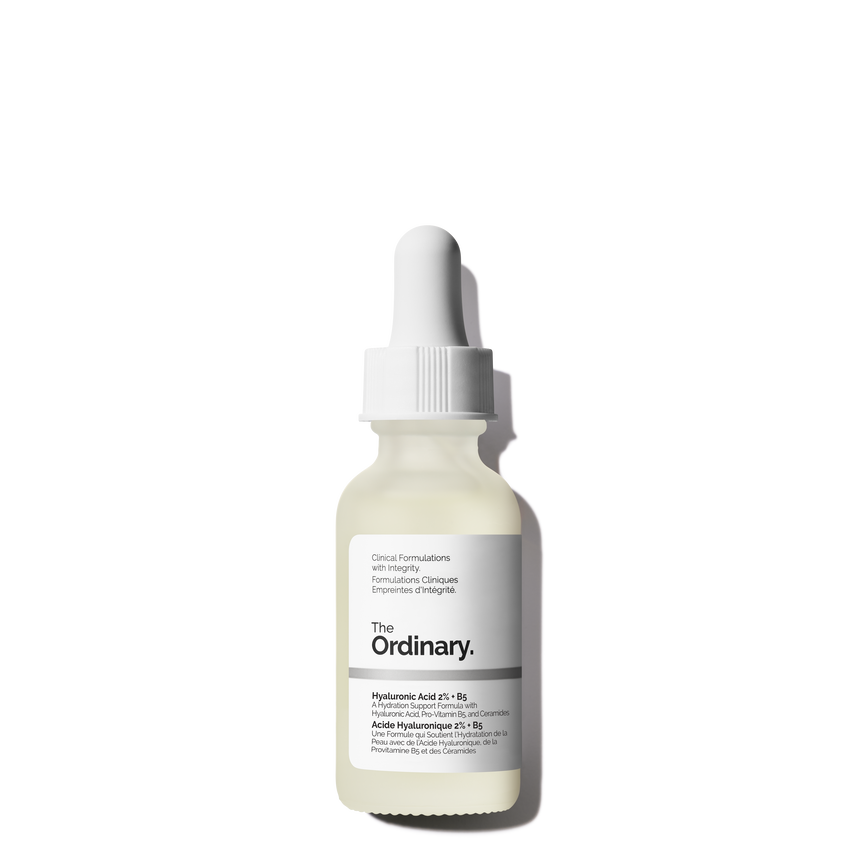
For anti-ageing or skin texture: add a retinol at 0.1-0.2%, used two to three evenings per week in place of the niacinamide serum. For brightening or hyperpigmentation: add a vitamin C serum in the morning between cleanser and moisturiser. For acne or congested pores: swap in a salicylic acid toner two to three evenings per week. For dry or dehydrated skin: add a hyaluronic acid serum between cleanser and moisturiser.
The key word is add, not replace your whole routine. The four-product foundation stays. Everything else slots in around it.
Frequently Asked Questions
Do I need to double cleanse? Not as a beginner. Double cleansing (an oil-based cleanser followed by a water-based cleanser) is most useful for removing heavy makeup or high-SPF sunscreens. For a straightforward routine, one thorough cleanse is sufficient.
Do I need a toner? No. Toners were originally designed to restore pH after alkaline soaps disrupted the skin's acid mantle. Modern low-pH cleansers don't cause that disruption, making traditional toners redundant. Active toners (glycolic acid, niacinamide) are a different category — but those come later.
Can I use the same moisturiser morning and evening? Yes. Unless your skin is very dry and needs a heavier evening cream, one moisturiser used twice daily is perfectly fine.
What if my skin breaks out when I start a new routine? Give it two to three weeks. New products can cause a brief adjustment period as your skin adapts. If a breakout is mild and localised, it's likely just your skin settling in. If it's widespread, severe, or accompanied by redness and irritation, one of the products isn't agreeing with you — introduce them one at a time to identify which.