Hyperpigmentation is one of the most treatable skin concerns — and one of the slowest to respond. Unlike a breakout that clears in a week or dry skin that improves after a single application of the right moisturiser, dark spots are the result of months of melanin activity and take months of consistent treatment to fade. That's the honest starting point. The ingredients in this guide genuinely work, but none of them work on a timescale that rewards impatience. Knowing which one to choose for your specific type of pigmentation — and which supporting ingredient makes it more effective — is the difference between a routine that quietly delivers and one that feels like it's going nowhere.
The Three Types of Hyperpigmentation (And Why It Matters)
Hyperpigmentation is an umbrella term for any area of skin that produces more melanin than the surrounding tissue. What causes that excess pigment production determines which ingredients will work best, and confusing one type for another is a common reason routines underperform.
Post-inflammatory hyperpigmentation (PIH) is the flat brown or grey mark left behind after acne, eczema, or any inflammatory event. It's the most responsive to topical treatment because the pigment sits relatively close to the surface. Sun spots and age spots are concentrated patches of pigment caused by cumulative UV exposure — slower to fade, but they respond well to antioxidants and cell turnover. Melasma is the trickiest: hormonally driven, often symmetrical across the cheeks or forehead, and triggered or worsened by heat as well as UV. It's the hardest to treat and the most likely to recur.
SPF Is Non-Negotiable
This is the part of the guide that matters more than any ingredient below it. If you're not using daily broad-spectrum SPF, the rest of this article is largely academic. UV radiation is the single biggest trigger for melanin overproduction, and melanocytes — the cells that make pigment — have a kind of memory. Once activated by UV exposure, they produce more pigment more readily for the rest of their lives. A brightening serum in the morning without SPF after it is like emptying a bucket while someone is filling it faster than you can work.
Daily SPF 30 or above, reapplied every two hours during prolonged outdoor exposure, is the baseline. For melasma specifically, tinted mineral SPF (zinc oxide, titanium dioxide, plus iron oxides for the tint) is often recommended over chemical filters alone because it reflects visible light as well as UV — and visible light can trigger melasma in susceptible skin. That distinction matters more in sunnier climates, but it's worth knowing if you've tried multiple brightening routines without results.
Vitamin C
Vitamin C — specifically L-ascorbic acid and its more stable derivatives — is the most extensively researched brightening ingredient available without a prescription. It works through two mechanisms: it inhibits tyrosinase (the enzyme responsible for melanin production), and it neutralises the oxidative stress that UV exposure creates in skin. Using it in the morning alongside SPF gives you both a brightening effect and a secondary layer of protection against UV damage that SPF alone doesn't fully prevent.
For established hyperpigmentation, 10 to 20% L-ascorbic acid is the clinically effective range. It's the most potent form but also the most unstable — it oxidises when exposed to air, light, or water, which is why most L-ascorbic acid serums are packaged in dark glass bottles with airless pumps and need to be used within three months of opening. If stability or irritation is a concern, stable derivatives like sodium ascorbyl phosphate, magnesium ascorbyl phosphate, or tetrahexyldecyl ascorbate deliver similar benefits with a lower irritation profile, often at a slower pace. The vitamin C serums guide covers the differences between these forms in detail.
Azelaic Acid
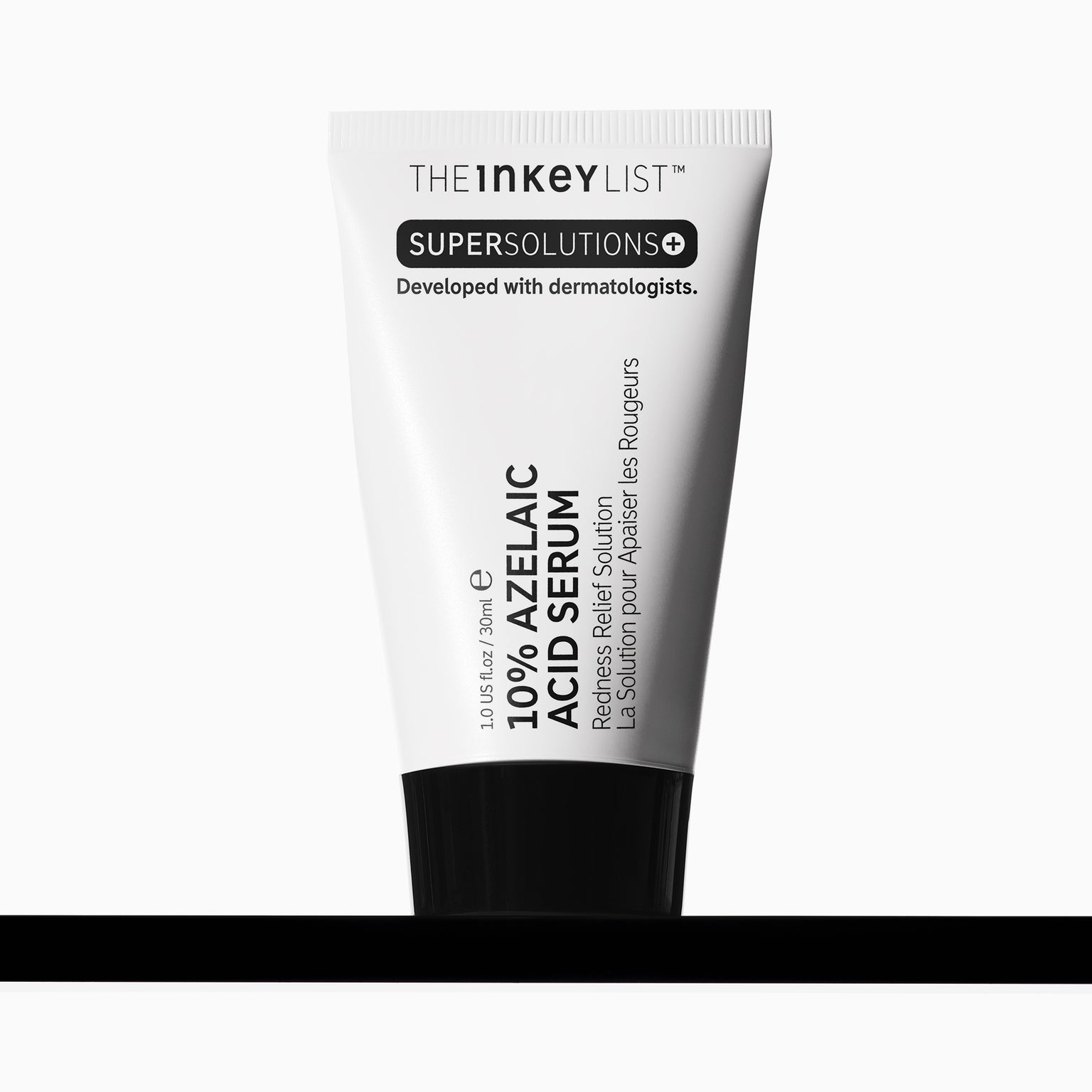
Azelaic acid deserves to be better known for hyperpigmentation than it is. It's a tyrosinase inhibitor like vitamin C, but it works through a selective mechanism: it preferentially targets hyperactive melanocytes — the ones producing excess pigment — rather than affecting normal pigment production. That selectivity is why it's particularly good at fading dark spots without lightening the surrounding skin, something less selective brightening ingredients can do when overused.
At 10% in OTC products, azelaic acid is well-tolerated by sensitive skin, rosacea-prone skin, and darker skin tones where stronger AHAs or hydroquinone can carry a higher risk of worsening pigmentation. It's also one of the few evidence-backed brightening ingredients considered safe during pregnancy, which makes it a go-to when other options are off the table. The main caveat is patience: azelaic acid works slowly, with meaningful results typically showing at six to eight weeks and maximal results at twelve to sixteen.
Niacinamide
Niacinamide (vitamin B3) targets hyperpigmentation through a different mechanism than any other ingredient on this list: it doesn't inhibit melanin production, it interrupts melanin transfer. Once melanocytes make pigment, they hand it off to surrounding skin cells via structures called melanosomes. Niacinamide inhibits that transfer step — the pigment still gets made, but less of it reaches the surface of the skin where you can see it.
At 4 to 5%, niacinamide is clinically effective for hyperpigmentation and exceptionally well tolerated. It's the ingredient most likely to pair well with everything else in your routine — there's no meaningful conflict with vitamin C, azelaic acid, retinoids, or exfoliants. For that reason it's often a routine's foundation rather than its headline act. If you've seen the old warning about niacinamide cancelling out vitamin C, the niacinamide and vitamin C guide covers why that advice no longer applies to modern formulations.
Alpha Arbutin
Alpha arbutin is a tyrosinase inhibitor that's structurally related to hydroquinone but significantly gentler. Hydroquinone is the prescription gold standard for hyperpigmentation in many countries, but it carries risks with long-term use — paradoxical darkening, rebound pigmentation when stopped — and is restricted or prohibited in cosmetics in several regions including the EU. Alpha arbutin offers a meaningful fraction of hydroquinone's effect with none of those concerns, which is why it's become a standard ingredient in OTC brightening serums.
The typical concentration is 2%, and The Ordinary's Alpha Arbutin 2% + HA is the most widely available example. It's a good option for sensitive skin that can't tolerate vitamin C or azelaic acid, and it pairs particularly well with niacinamide — the two work on different stages of the pigmentation pathway and their effects are additive. Like most tyrosinase inhibitors, expect results over two to three months rather than weeks.
Tranexamic Acid
Tranexamic acid is a newer entry to mainstream skincare but has been used in dermatology for melasma for decades — originally as an oral medication, more recently in topical formulations. It works through a different pathway than the other ingredients here: it reduces the inflammatory and vascular signals that trigger melanin production, rather than inhibiting the production itself. That makes it particularly effective for melasma and for pigmentation with an inflammatory or hormonal component — which PIH usually has.
Topical tranexamic acid is typically formulated at 2 to 5%, often combined with niacinamide, azelaic acid, or alpha arbutin in multi-active serums. On its own it's a useful addition to a routine that's already covering tyrosinase inhibition with vitamin C or alpha arbutin — targeting multiple pathways simultaneously tends to produce better results than increasing the dose of any single ingredient. Pregnancy guidance is cautious: topical absorption is minimal, but tranexamic acid is an off-label use in cosmetics and pregnant users typically default to azelaic acid, which has more established safety data.
Retinoids
Retinoids — retinol, retinaldehyde, adapalene, and prescription tretinoin — treat hyperpigmentation by accelerating cell turnover. Pigmented cells at the skin's surface are shed faster and replaced by less pigmented cells from below, producing a gradual fading effect. Retinoids also have a direct inhibitory effect on melanin production, though this is a smaller part of their overall impact. They're most valuable when you have a combination of concerns — lines, texture, and pigmentation — because no other single ingredient addresses all three as effectively.
For pigmentation specifically, retinoids work best as a supporting active alongside a dedicated brightening ingredient rather than as a stand-alone treatment. Pair retinol with vitamin C in the morning or with azelaic acid in the evening on alternate nights, rather than expecting retinol alone to carry the workload. The retinol vs retinoids guide covers the different forms and their relative strength. One caveat worth flagging: retinoids can temporarily worsen PIH during the initial adjustment period, as increased cell turnover can bring existing pigment to the surface faster. This typically resolves within six to eight weeks.
Exfoliating Acids (AHAs)
Glycolic acid, lactic acid, and mandelic acid work on hyperpigmentation through surface exfoliation — they remove the outermost layer of skin where older, more pigmented cells sit, revealing fresher cells below. This is genuinely useful for slow-turnover pigmentation like sun spots, and AHAs pair well with melanin-pathway ingredients because they attack the problem from a different angle. The glycolic acid vs lactic acid guide covers which to choose and when.
There's an important nuance for darker skin tones. Stronger AHAs at higher concentrations can trigger post-inflammatory hyperpigmentation in skin that scars or marks easily — meaning the treatment can worsen the condition it's meant to treat. Lactic acid at lower concentrations (5 to 10%), mandelic acid (typically the gentlest AHA), or azelaic acid are generally safer first choices for Fitzpatrick skin types IV, V, and VI. If you're unsure, start gentle and build up rather than reaching for the strongest formula first.
Consistency is the single most important variable in fading pigmentation. A routine of three well-chosen actives used for six months will outperform a shelf full of serums used for three.
Building a Routine for Hyperpigmentation
The most effective routines target multiple points in the pigmentation pathway without overwhelming the barrier. A typical evidence-backed structure: vitamin C in the morning under SPF (tyrosinase inhibition + antioxidant protection + UV defence), azelaic acid or alpha arbutin in the evening (additional tyrosinase inhibition), niacinamide layered in either AM or PM (melanosome transfer inhibition + barrier support), and retinol two to three nights per week (cell turnover). That covers four distinct mechanisms with four ingredients — overlap, not redundancy.
If that feels like a lot, it's because hyperpigmentation genuinely responds better to multi-pathway treatment than to a single ingredient at maximum dose. But you don't need to start with all of it. Begin with SPF and vitamin C — or azelaic acid, if vitamin C is too irritating — and let that settle in for four to six weeks. Then add niacinamide. Then retinol. Sequential introduction lets you identify which products your skin tolerates and which it doesn't, and avoids the barrier damage that overwhelms the skin into producing more pigment, not less.
Melasma Needs a Different Playbook
Melasma is worth separating from other forms of hyperpigmentation because the standard routine above will often fall short. It's hormonal in origin, heat-sensitive, visible-light sensitive, and prone to recurrence. For melasma, the priority shifts: strict broad-spectrum SPF (tinted mineral is the dermatologist-preferred choice because it blocks visible light), avoidance of unnecessary heat exposure like hot yoga, saunas, and very hot showers, and a combination approach to treatment rather than any single hero ingredient.
Tranexamic acid plus azelaic acid is one of the strongest evidence-backed combinations for melasma without a prescription. Niacinamide adds a third mechanism. Retinoids are helpful for long-term maintenance but need to be introduced carefully, as the initial inflammation from retinisation can worsen melasma before it improves. For severe or persistent melasma, oral tranexamic acid and prescription triple-combination therapy (hydroquinone + tretinoin + a corticosteroid) are dermatologist-managed options worth discussing with a professional rather than attempting to self-treat indefinitely.
What Doesn't Work (And What Can Make It Worse)
Lemon juice is the most common home remedy for dark spots and one of the most harmful. It's acidic enough to irritate skin, phototoxic (meaning it makes skin more vulnerable to UV damage), and can cause phytophotodermatitis — a blistering reaction that itself leaves permanent pigmentation. It's the opposite of what you want.
Physical scrubs with rough particles are also worth avoiding for pigmentation, particularly PIH. Mechanical irritation can trigger more inflammation and more pigment production, extending the cycle you're trying to interrupt. If you want exfoliation, use a chemical exfoliant (AHA, BHA, or PHA) at a controlled dose — the skin responds predictably rather than reacting to uneven pressure.
Most products marketed as 'brightening' without specifying their active ingredients are not doing much. If the INCI list doesn't include at least one of the evidence-backed ingredients covered above at a meaningful concentration, the product is probably relying on marketing language rather than formulation. The ingredient list tells you what the product actually does.
How Long Results Actually Take
This is the section to bookmark. Post-inflammatory hyperpigmentation typically fades over three to six months with consistent treatment, and can continue to improve for up to twelve. Sun and age spots take longer — six to twelve months for meaningful visible change, and full fading may not be possible for very deep pigmentation, which often requires in-office procedures like laser or chemical peels. Melasma is the slowest and most likely to recur: six to twelve months to fade with topical treatment, and indefinite maintenance to prevent return.
The most common reason hyperpigmentation routines fail is switching products too early. If you've been using a brightening serum for three weeks and haven't seen change, it's not that the product isn't working — it's that three weeks isn't long enough to evaluate it. Give any routine a full three months before deciding it's not working, and longer for stubborn pigmentation. In this category, patience is a genuine part of the treatment.
Frequently Asked Questions
Can I use vitamin C and niacinamide together for dark spots? Yes, and it's one of the most effective pairings because they work on different stages of the melanin pathway. The old warning about them being incompatible comes from decades-old in-vitro research that doesn't apply to modern formulations. The niacinamide and vitamin C guide covers the chemistry in detail.
What's the single most effective ingredient for hyperpigmentation? There isn't one. The most effective approach is multi-pathway — combining a tyrosinase inhibitor (vitamin C or alpha arbutin), a melanosome transfer inhibitor (niacinamide), and a cell turnover accelerator (retinol or AHA). If you had to pick a single headline ingredient, vitamin C has the most research behind it — but it won't match a well-constructed combination routine.
Is hydroquinone better than the OTC options? For severe or treatment-resistant pigmentation, under dermatological supervision, yes. For the hyperpigmentation most people experience — mild to moderate PIH, scattered sun spots, early melasma — the OTC options in this guide can match prescription hydroquinone when used consistently for six to twelve months, without the long-term risks hydroquinone carries.
Can I use these ingredients on darker skin tones? Yes, with adjustments. Azelaic acid, niacinamide, and alpha arbutin are safe first choices for Fitzpatrick IV-VI. Strong AHAs (glycolic acid above 10%) and hydroquinone carry a higher risk of paradoxical darkening or irritation that can itself cause PIH. Start gentle, introduce one active at a time, and prioritise SPF even more strictly — darker skin tones often perceive less UV-induced burning but still produce pigment in response to UV exposure.
Do I need a prescription to treat dark spots? Most hyperpigmentation responds to OTC treatment if the routine is well-constructed and given enough time. Persistent melasma, severe PIH, or pigmentation that doesn't improve after six months of consistent treatment is worth discussing with a dermatologist. Options like prescription tretinoin, hydroquinone, or in-office treatments (chemical peels, intense pulsed light) can accelerate results for cases that plateau on OTC routines.