Fragrance is the most common cause of cosmetic contact dermatitis — allergic and irritant reactions triggered by skincare products. It's also one of the most consistently unnecessary ingredients in a formula. It doesn't moisturise, exfoliate, protect, or treat. It makes a product smell pleasant, and that's the full extent of its functional contribution. For sensitive, reactive, or compromised skin, understanding fragrance on a label is one of the most practical things you can do.
What Fragrance in Skincare Actually Is
Fragrance in cosmetics is a catch-all term that can refer to a single synthetic molecule or a blend of hundreds of individual chemical compounds. EU cosmetic regulations require fragrance to be declared on ingredient lists, but manufacturers are not required to disclose the individual components of a fragrance blend — only the finished blend as 'Parfum' or 'Fragrance'. This means you can see one ingredient name on a label that actually represents dozens of individual chemicals.
The EU does require separate disclosure for 26 specific fragrance allergens when present above certain concentrations. These include compounds like linalool, limonene, citronellol, geraniol, and eugenol — all naturally occurring chemicals found in essential oils and plant extracts. When you see these listed individually on an ingredient list, they've been flagged as declared allergens.
Natural Fragrance Is Still Fragrance
A common misconception is that 'natural' fragrance from essential oils is safer than synthetic fragrance. The opposite is often true. Essential oils are chemically complex, containing dozens of bioactive compounds including many of the allergens listed above. Rose, jasmine, lavender, and citrus oils are among the most frequent causes of fragrance-related reactions. 'Natural' on a label is not a synonym for hypoallergenic or non-irritating.
If you're patch-testing a product or trying to identify the source of a reaction, essential oil ingredients should be treated with the same scrutiny as synthetic fragrance. Look for bergamot oil, ylang-ylang, eucalyptus, peppermint, and citrus extracts in particular — these are among the most reactive natural fragrance sources in skincare.
Natural fragrance isn't inherently safer than synthetic. Essential oils contain many of the same allergens, and in some cases more of them.
Fragrance-Free vs Unscented: Not the Same Thing
This distinction matters. Fragrance-free means no fragrance ingredients have been added to the formula. Unscented means the product has no discernible smell, but fragrance may still have been added to mask the natural odour of other ingredients. An unscented product can legally contain fragrance ingredients. If you're avoiding fragrance for skin sensitivity reasons, fragrance-free is the label you're looking for, not unscented.
Who Needs to Prioritise Fragrance-Free
Fragrance-free is a sensible default for sensitive, reactive, or rosacea-prone skin, where the inflammatory threshold is already lower and additional irritants are more likely to trigger a response. It's also strongly advisable for eczema-prone skin, where the barrier is chronically compromised and fragrance sensitisation is particularly common.
Anyone undergoing active treatment with retinoids, acids, or prescription medications is also in a position where the skin's tolerance for additional irritants is reduced. Using fragrance-free products during these periods reduces the cumulative stress on a barrier that's already working harder than usual.
Fragrance-free isn't mandatory for everyone. If you have robust, tolerant skin and have never experienced a reaction to fragrance, it's a personal choice rather than a clinical necessity. But for anyone who has experienced unexplained redness, tightness, or persistent irritation from a product they expected to tolerate, fragrance is one of the first places to look.
How to Spot Fragrance on a Label
Parfum or Fragrance are the most obvious. Beyond those, common fragrance components appear under their individual INCI names when present above EU threshold levels: linalool, limonene, citronellol, geraniol, eugenol, coumarin, benzyl alcohol, cinnamal, farnesol. Essential oils are listed by their botanical names: lavandula angustifolia (lavender), citrus aurantifolia (lime), rosa centifolia (rose). Any of these on an ingredient list indicate the product contains fragrance-derived compounds.
Some brands use the phrase 'naturally scented' or 'scented with essential oils' in their marketing while the product lists fragrance allergens in the INCI. The ingredient list is the reliable source, not the front-of-pack claims.
Why Brands Add Fragrance
Scent is a powerful purchase trigger. Studies on consumer behaviour consistently show that a product's smell influences purchase decisions at the point of sale and shapes perceptions of efficacy and quality. A moisturiser that smells of roses is subjectively perceived as more luxurious than an identical formula with no scent. Fragrance is a marketing ingredient as much as a cosmetic one.
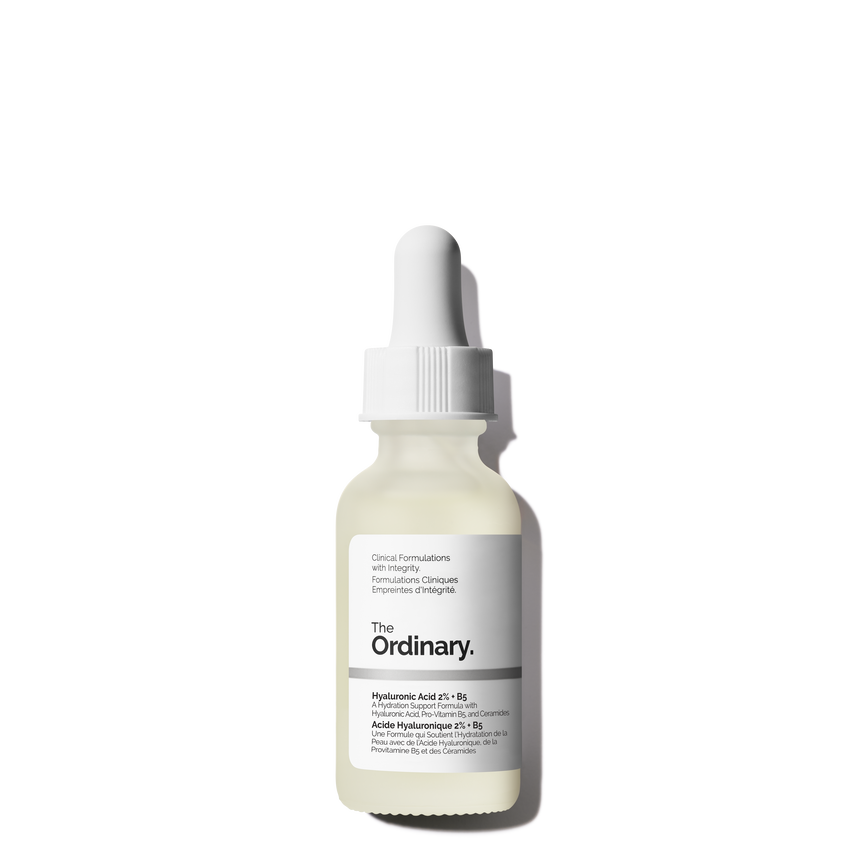
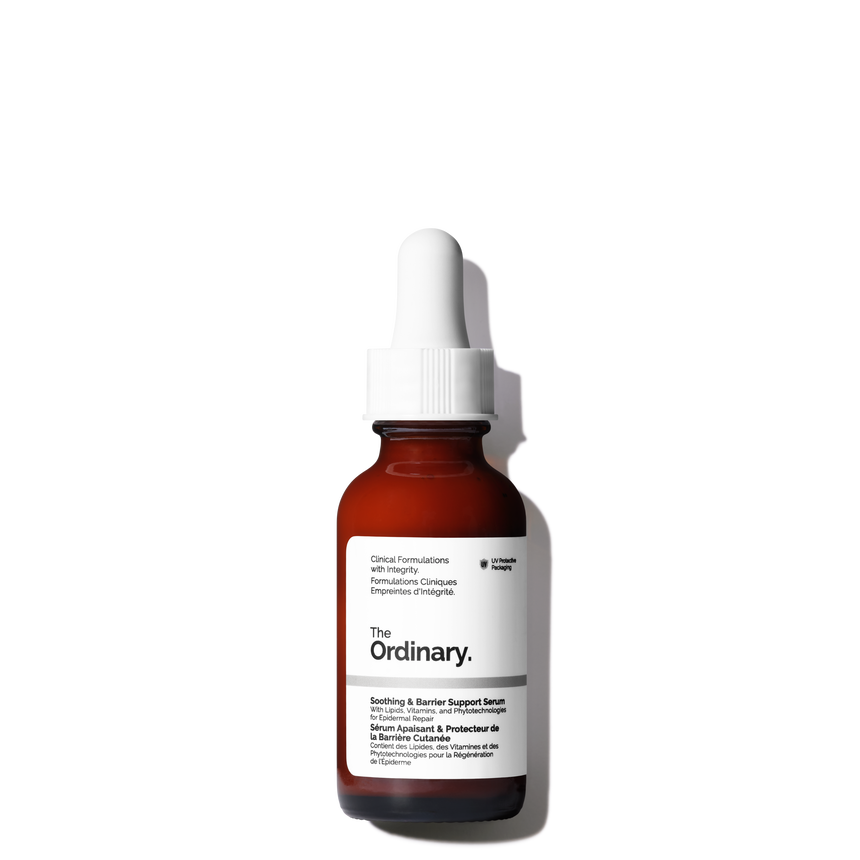
For brands targeting sensitive skin or clinical positioning, fragrance-free is increasingly a badge of integrity rather than a limitation. The Ordinary, CeraVe, and Cetaphil have built significant credibility in part through fragrance-free formulation as a default. It signals that the formula is built around efficacy rather than the sensory experience of using it.
Building a Fragrance-Free Routine
The brands most consistently committed to fragrance-free formulation are CeraVe, Cetaphil, The Ordinary, and The Inkey List. Of the 349 products in our catalogue, 48 are confirmed fragrance-free across these and other brands. Filtering by fragrance-free in the shop gives you the full list.
For sensitive skin, a fragrance-free starter routine: the Cetaphil Gentle Skin Cleanser (£11.50), The Ordinary Niacinamide 10% + Zinc 1% (£5), CeraVe Moisturising Cream (£12-15.50), and a mineral SPF. Every one of these is fragrance-free, non-comedogenic, and available without a prescription.
Frequently Asked Questions
If a product doesn't list 'fragrance' or 'parfum', is it fragrance-free? Not necessarily. Essential oils and fragrance allergens listed individually can mean a product is scented without using those terms. Check for linalool, limonene, and botanical oil names in the ingredient list.
Can fragrance cause long-term skin damage? Repeated exposure to a fragrance ingredient you're sensitised to can trigger contact dermatitis, which with chronic exposure can lead to persistent barrier disruption. Sensitisation also tends to worsen over time rather than improve — once sensitised to a fragrance compound, your threshold for reaction typically decreases with repeated exposure.
Is fragrance always bad for skin? No. For non-sensitised skin with a healthy barrier, fragrance at typical cosmetic concentrations is unlikely to cause a meaningful reaction. The issue is that sensitisation is cumulative and unpredictable — you may tolerate a fragrance ingredient for years before a reaction develops. For that reason, avoiding it in leave-on products (particularly those used on large areas or near the eyes) is a reasonable precaution even for non-sensitive skin types.
Are all The Ordinary products fragrance-free? The majority are. The Ordinary's formulation philosophy generally excludes fragrance, and their product pages confirm fragrance status. Always check the ingredient list for individual products to be certain.