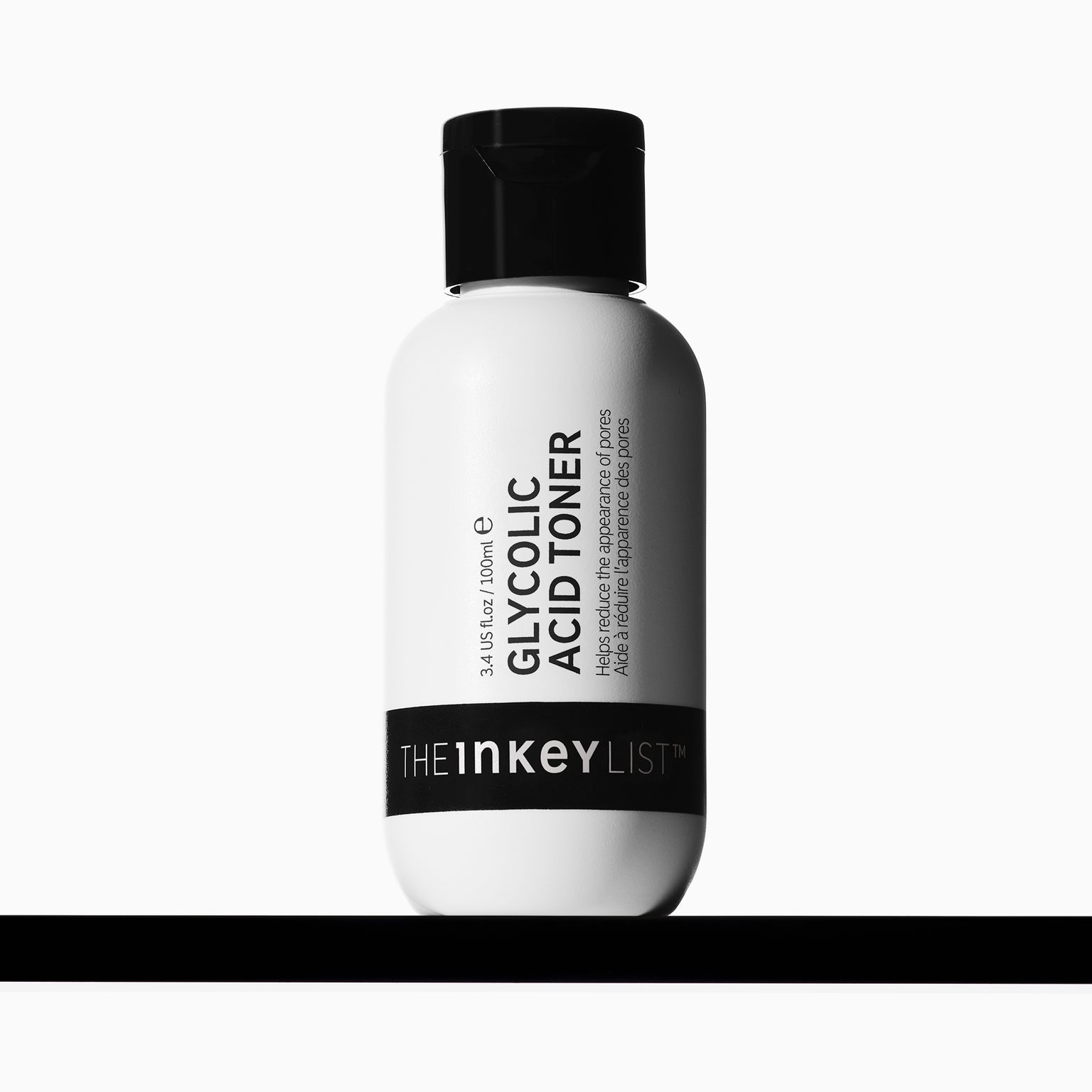
Alpha hydroxy acids are the workhorses of chemical exfoliation, but 'AHA' is an umbrella term, not a single ingredient. Glycolic acid and lactic acid are the two most widely used, and on the surface they look interchangeable: both dissolve the bonds between dead skin cells, both brighten, both improve texture. Dig into the science and they're quite different. The right choice depends on your skin type, your tolerance for irritation, and what you're actually trying to fix.
How AHAs Work
All alpha hydroxy acids share the same fundamental mechanism. The outer layer of your skin is held together by a kind of intercellular glue: a mix of proteins and lipids that keeps dead skin cells attached longer than they need to be. This accumulation is what causes dullness, rough texture, and clogged pores. AHAs are weak acids that break down these bonds, allowing dead cells to shed more evenly and revealing the fresher skin underneath.
Beyond surface exfoliation, there's good clinical evidence that both glycolic and lactic acid stimulate fibroblast activity at higher concentrations. In other words, they signal the skin to produce more collagen. This is what makes them useful for anti-ageing beyond simple brightening.
Glycolic Acid: Maximum Efficacy
Glycolic acid is the smallest AHA molecule, derived from sugarcane, with a molecular weight of just 76 g/mol. That small size is both its greatest strength and its main limitation. It penetrates the skin quickly and deeply, which means it delivers results faster than most other AHAs. It also means it's more likely to cause stinging, redness, and irritation, especially on sensitised or compromised skin.
In EU-regulated products, leave-on formulas are capped at 10% with a mandatory pH of at least 3.5 and a sun sensitivity warning. This is the regulatory ceiling for over-the-counter use, and most effective products sit in the 7-10% range. Rinse-off formulas can go higher, and professional clinic treatments can reach 50-70%, though those are a different category entirely.
Glycolic acid's small molecule size is its advantage: it gets in fast and works quickly. For those who can tolerate it, results show sooner than with gentler acids.
There is a medium purging risk with glycolic acid. The accelerated cell turnover it causes can bring congestion to the surface over the first four to six weeks, particularly on acne-prone skin. This is a normal adjustment response, not a sign that the product is wrong for you, though it can be alarming if you're not expecting it.
Lactic Acid: Gentler, With a Bonus
Lactic acid is the second most well-researched AHA, naturally found in milk and fermented foods. Its molecule is larger than glycolic acid, which means it penetrates more slowly and sits more at the surface of the skin. This makes it considerably gentler: lower irritation risk, lower purging risk, and less likely to cause the stinging and flaking that catch glycolic acid beginners off guard.
What makes lactic acid genuinely distinctive among AHAs is that it also acts as a humectant. Most exfoliants strip or disrupt moisture in some way. Lactic acid simultaneously draws water into the skin as it exfoliates, a useful dual action that makes it the preferred AHA for dry and dehydrated skin types. You won't find this property in glycolic acid.
Lactic acid is the only AHA that exfoliates and hydrates at the same time, which changes the calculus entirely for dry or sensitive skin types.
The concentration range for OTC leave-on lactic acid products is typically 5-12%. At 5%, the effect is gentle enough for daily use on sensitive skin. At 10-12%, it becomes a more effective exfoliant and anti-ageing treatment, though with slightly increased sensitivity risk.
Head to Head: The Key Differences
Glycolic acid works faster and penetrates deeper. At equivalent percentages, it will deliver more visible exfoliation, but with more potential for irritation, dryness, and purging. Lactic acid works more gradually, sits closer to the surface, and is substantially better tolerated. Its humectant effect makes it a net positive for moisture levels rather than a risk to them.
Both require daily SPF while in use. This isn't optional. AHAs remove the outermost layer of dead skin cells, the layer that provides natural protection against UV radiation. Using either acid without SPF 30+ broad-spectrum protection will accelerate the skin damage you're trying to reverse.
Which Should You Use?
Choose glycolic acid if: your skin is oily or normal, you have experience with actives and tolerate them well, you want faster visible results, or you're targeting more stubborn textural concerns and hyperpigmentation.
Choose lactic acid if: your skin is dry, sensitive, or prone to reactivity, you're new to chemical exfoliants, you want to exfoliate without compromising your moisture levels, or you have mature skin where maintaining hydration is a priority alongside exfoliation.
Neither is universally better. The best AHA is the one you'll use consistently without irritating your skin into inflammation, because inflammation counteracts the benefits you're trying to achieve.
How to Introduce an AHA Safely
Start with two to three applications per week, in the evening, on clean skin before your moisturiser. Wait two to three weeks before increasing frequency. Don't layer AHAs with other actives on the same application, particularly retinoids or vitamin C, until your skin has acclimatised. If you experience prolonged redness, burning, or disruption beyond the first few weeks, reduce frequency rather than pushing through.
Morning is not the right time for most AHA products, for two reasons: the sun sensitivity risk is at its highest when you've just used the acid, and most formulas are better absorbed without the additional layering required before SPF. Evening use is standard practice.
Products Worth Trying
For glycolic acid, The Ordinary Glycolic Acid 7% Exfoliating Toner is a well-established entry point: affordable, straightforward, and widely available. The Inkey List offers a 10% glycolic acid toner for those who want a stronger concentration once they've built tolerance.
For lactic acid, The Ordinary's Lactic Acid 5% + HA is formulated with sodium hyaluronate to offset the dryness risk, making it one of the most accessible entry points for sensitive skin. The 10% version of the same formula is the natural next step once your skin has adapted.
Frequently Asked Questions
Can I use glycolic acid and lactic acid together? You can, but there's limited reason to. Using both increases irritation risk without meaningfully increasing benefit. If you want stronger exfoliation, increase the concentration of one acid rather than stacking two.
Can I use AHAs every day? Potentially, at lower concentrations (5-7%), once your skin has fully adjusted over several weeks. Daily use at higher concentrations risks chronic barrier disruption. Most dermatologists recommend alternating days for sustained, long-term use.
Are AHAs safe during pregnancy? Low-concentration leave-on products (under 10%) are generally considered low risk, as systemic absorption is minimal. Professional-strength treatments should be avoided. As always, consult your healthcare provider before introducing new actives during pregnancy.
What's the difference between AHA and BHA? AHAs (like glycolic and lactic acid) are water-soluble and work on the skin's surface. BHAs (like salicylic acid) are oil-soluble, which allows them to penetrate the pore lining and work from inside the follicle, making them more effective for acne and blackheads. For texture, dullness, and anti-ageing, AHAs are generally the better choice.