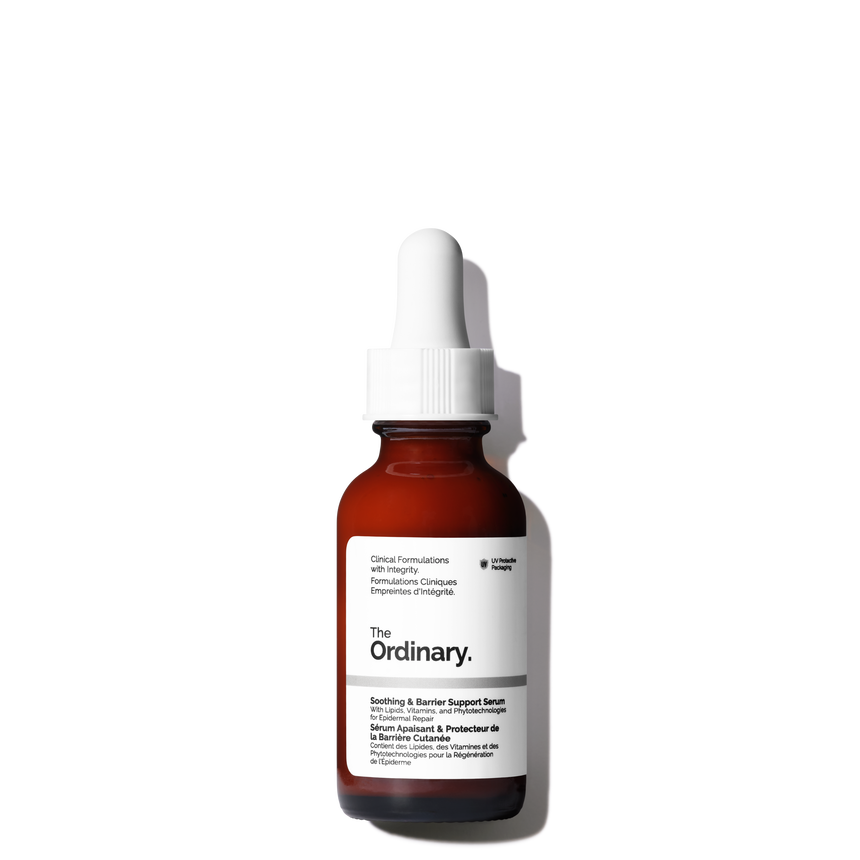
Niacinamide, or vitamin B3, has become one of the most universally recommended skincare ingredients, and for very good reason. Its tolerability across skin types and wealth of clinical evidence make it a near-perfect active for almost any routine.
What It Does
Niacinamide works through several mechanisms. It inhibits the transfer of melanosomes (pigment-containing vesicles) to keratinocytes, reducing the appearance of dark spots. It also strengthens the skin barrier by increasing ceramide production and reducing transepidermal water loss (TEWL).
Additionally, niacinamide regulates sebum production and has demonstrated anti-inflammatory properties, making it effective for acne-prone skin without the dryness associated with more aggressive acne treatments.
Studies suggest 4-5% niacinamide is just as effective for most concerns as 10%, without the flushing some experience at higher concentrations.
The 10% Myth
The popularity of high-percentage niacinamide products has led many to assume more is always better. In practice, clinical studies show significant efficacy at 2-5%. Concentrations above 10% may cause temporary flushing in some users, a histamine response that is harmless but uncomfortable.