Pregnancy skincare advice falls into two unhelpful camps: a short list of absolute avoids, and a sea of vague 'check with your doctor' disclaimers that leave you no more informed than before. The truth is more nuanced. Some ingredients are genuinely off the table, some require proportionate caution, and a substantial number are perfectly fine. We went through the pregnancy safety data for every ingredient in our database. Here's what you actually need to know.
The Clear Avoids: Retinoids
The one ingredient category with near-universal clinical consensus is retinoids. Retinol, retinal, hydroxypinacolone retinoate (HPR), and prescription tretinoin should all be avoided during pregnancy and breastfeeding. This is not precautionary overcaution. It reflects a well-established teratogenic risk associated with vitamin A derivatives at elevated doses. The NHS, dermatological bodies, and product manufacturers are aligned on this point.
The most common question is whether OTC retinol at low concentrations is really dangerous when systemic absorption from topical use is minimal. The honest answer is that robust controlled studies in pregnant women don't exist for ethical reasons, and the risk from typical cosmetic retinol is almost certainly very low in absolute terms. But the risk-to-reward calculation is straightforward: the benefit of using retinol during pregnancy (cosmetic) does not outweigh even a small and uncertain risk. Discontinue retinoids when trying to conceive and throughout pregnancy.
All retinoids (retinol, retinal, HPR, tretinoin) should be stopped when trying to conceive and avoided throughout pregnancy. There are no exceptions worth making for cosmetic benefit.
The Nuanced Ones: Sunscreen Filters
Daily SPF is one of the most important skincare habits during pregnancy. UV exposure accelerates melasma (the 'mask of pregnancy'), and skin is more photosensitive in general. The complication is that some chemical UV filters have raised concerns.
Octocrylene is worth specific attention. Its primary degradation product, benzophenone, is a known endocrine disruptor. Studies have detected systemic absorption through skin, and research has flagged associations with altered thyroid hormones in pregnant women. Most dermatologists advise caution with octocrylene-containing sunscreens during pregnancy. Check the ingredient list on your SPF, as it's common in many mass-market formulas.
Mineral sunscreens (those using zinc oxide and titanium dioxide as their UV filters) are widely considered the safer choice during pregnancy. They sit on the skin's surface rather than being absorbed, and have no associated reproductive or developmental concerns. They're also better options for skin prone to melasma, as they tend to be less irritating.
AHAs and BHAs: Lower Risk Than You've Probably Heard
Alpha hydroxy acids (glycolic acid, lactic acid) and beta hydroxy acids (salicylic acid) are commonly listed as pregnancy avoids online. The data is more reassuring than that, though not without nuance.
Low-concentration leave-on AHA products (under 10%) are generally considered low risk during pregnancy by dermatologists. Systemic absorption from topical glycolic or lactic acid at OTC concentrations is minimal. Professional-strength peels (which can reach 30-70%) are a different matter and should be avoided. If you use a 7-10% AHA toner at home, continuing it is generally considered acceptable; consult your midwife or doctor if you want a specific sign-off.
Salicylic acid at OTC concentrations (up to 2%) in leave-on products is similarly considered low risk by most dermatologists. High-dose oral salicylates and professional BHA peels are the concern, not a 2% salicylic acid cleanser. If you're acne-prone and rely on BHA, low-concentration formulas are unlikely to pose meaningful risk, but check with your healthcare provider for personal guidance.
The 'AHAs are unsafe in pregnancy' rule conflates professional-strength peels with OTC toners. At typical cosmetic concentrations, the risk profile is very different.
Peptides and Newer Actives: Caution from Absence of Data
Many newer actives, including synthetic peptides, tranexamic acid, and resveratrol, sit in a 'caution' category not because identified risks exist, but because dedicated pregnancy safety studies simply don't exist for them. This is the honest state of most ingredients: absence of evidence is not evidence of safety, but neither is it evidence of harm.
For synthetic peptides (tripeptide-1, palmitoyl tripeptide-1, and others), molecular weight is relevant: large molecules are poorly absorbed through intact skin, which limits systemic exposure. The practical risk is low, but the lack of data means 'consult your healthcare provider' is the appropriate guidance rather than a firm green or red light.
Tranexamic acid, increasingly popular for hyperpigmentation and melasma, is an area worth specific care. As an oral medicine it is not routinely recommended in pregnancy. Topical cosmetic concentrations are far lower than medicinal doses, but given the lack of pregnancy-specific topical safety data, most practitioners recommend caution. Azelaic acid is a better-evidenced alternative for melasma during pregnancy.
What IS Safe: The Positive List
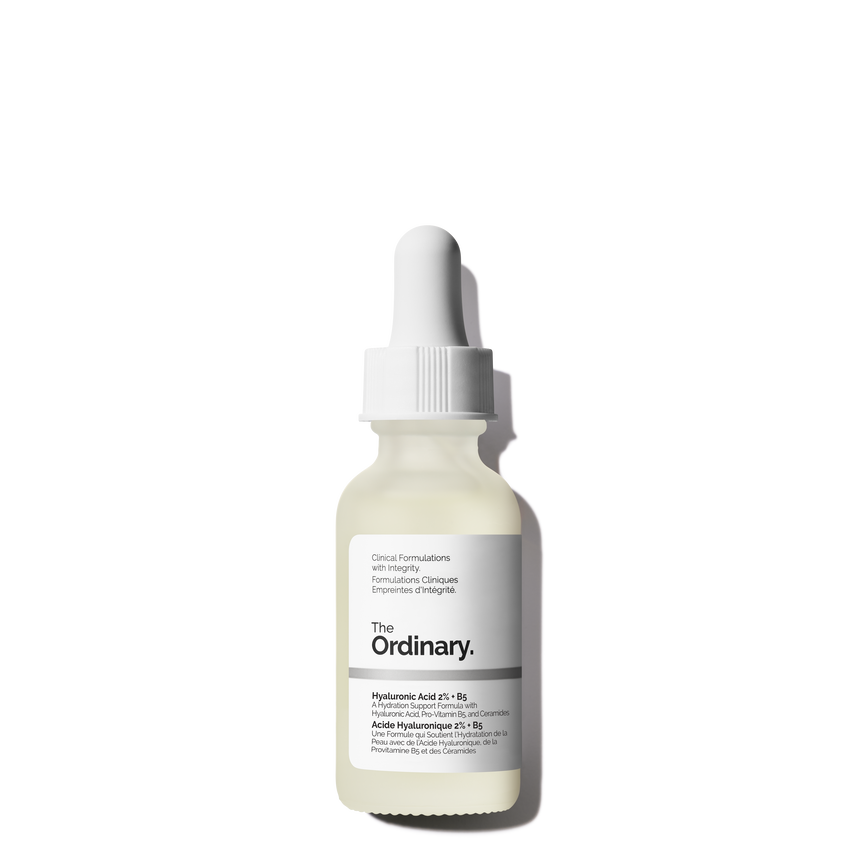
The good news is that the foundation ingredients of an effective skincare routine have excellent safety records in pregnancy. Hyaluronic acid and sodium hyaluronate are universally considered safe: they are skin-identical molecules with no systemic absorption concerns. Niacinamide (vitamin B3) is well-studied, well-tolerated, and considered safe at all stages of pregnancy; it's also one of the most effective alternatives to retinoids for texture and tone.
Ceramides (the lipids that form the skin barrier matrix) are skin-identical ingredients with no known reproductive concerns and are commonly recommended to maintain barrier function during the hormonal changes of pregnancy. Glycerin, panthenol (provitamin B5), and squalane are all considered safe, as are the plant-derived emollients and emulsifiers that make up most moisturiser bases.
Azelaic acid deserves a specific mention. It's one of the few prescription-grade actives explicitly considered safe during pregnancy, widely used for acne and rosacea in pregnant patients under dermatologist guidance. If you need an active to address hyperpigmentation, acne, or redness during pregnancy, azelaic acid is the most evidence-backed option available.
A Pregnancy-Safe Routine Framework
Morning: a gentle, fragrance-free cleanser; a hyaluronic acid or niacinamide serum; a moisturiser with ceramides; a mineral SPF (zinc oxide or titanium dioxide) at SPF 30 or above. Evening: the same cleanser; a niacinamide or azelaic acid treatment if targeting skin concerns; a ceramide-rich moisturiser.
What to remove: retinoids of any kind, any leave-on products containing octocrylene, professional-strength exfoliants, and anything with limited pregnancy safety data that you're using for cosmetic rather than medical reasons. The bar for risk-acceptance is different during pregnancy than at other times, and the calculus isn't just your skin.
Frequently Asked Questions
Can I use vitamin C during pregnancy? Yes. Topical vitamin C (L-ascorbic acid and its derivatives) is considered safe during pregnancy. It's one of the more useful actives to continue, given its antioxidant effect and role in managing the hyperpigmentation that's common in pregnancy.
Is retinol really dangerous, or is everyone being overly cautious? The systemic exposure from topical OTC retinol is genuinely low, and the absolute risk is almost certainly small. But dermatological consensus is consistent: discontinue all retinoids during pregnancy. The benefit doesn't justify the uncertainty. Niacinamide, azelaic acid, and vitamin C are effective alternatives for most of what retinol does.
What about bakuchiol, the 'natural retinol alternative'? Bakuchiol is not a retinoid and does not carry the teratogenic risk of the vitamin A family. However, formal pregnancy safety studies don't exist for it either. Given the limited data, most practitioners advise caution, not because bakuchiol is suspected of harm, but because there's no body of evidence confirming it's safe at this stage.
I used retinol before I knew I was pregnant. Should I be worried? Early pregnancy exposure to topical OTC retinol at standard concentrations is very unlikely to cause harm given the minimal systemic absorption. Many people have been in this situation. Speak to your midwife or GP for reassurance, but the medical community does not consider this a cause for serious concern.
How do I check if a specific ingredient is safe? We've reviewed the pregnancy safety data for all 509 ingredients in our database. Browse any ingredient page on this site to see the pregnancy risk rating and the clinical evidence behind it.