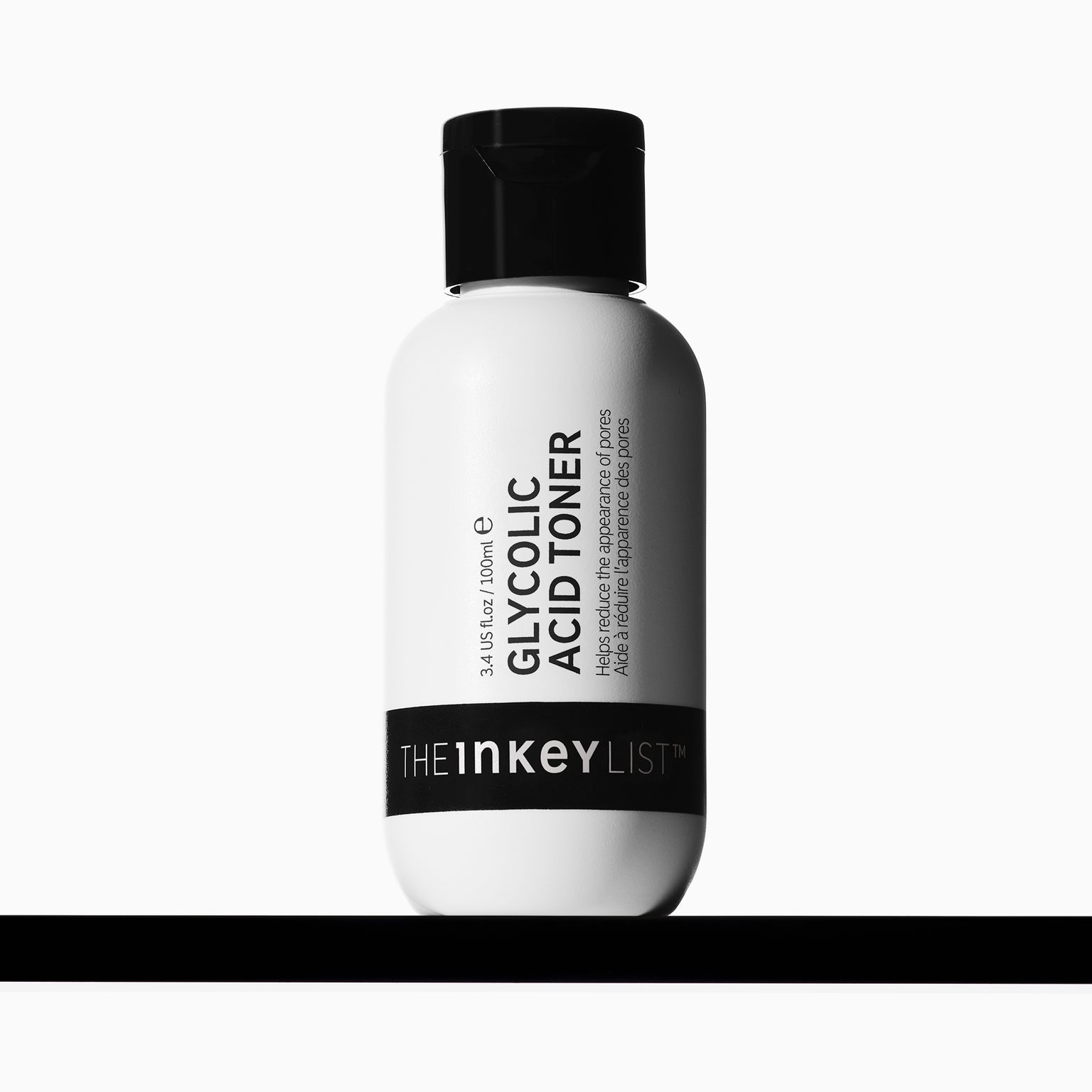
It's one of the most-searched questions in skincare: can retinol and AHAs coexist in the same routine? Scroll through enough Reddit threads and you'll find two opposing camps: those who say they cancel each other out, and those who've been using both for years without issue. The truth sits somewhere more specific than either side admits, and it's worth getting right. Both are among the most effective OTC actives available. Using them in conflict with each other, or avoiding them entirely out of caution, both have real costs.
Why People Think They Can't Be Combined
The concern comes from pH chemistry. AHAs (glycolic acid, lactic acid, and others) work best at a low pH, typically between 3 and 4. Retinol, the argument goes, is destabilised or deactivated by acidic environments. Therefore, applying an AHA toner before a retinol serum will neutralise the retinol before it can work.
This logic sounds plausible, but the evidence doesn't support it as a blanket rule. Retinol is not a pH-dependent active in the way that vitamin C is. It doesn't require a specific pH window to penetrate or function. What is true is that very low pH environments can theoretically increase retinol's conversion to retinoic acid, making it more potent and therefore more irritating, which is the opposite of deactivation.
The Real Issue: Cumulative Irritation
The actual reason to be careful combining retinol and AHAs has nothing to do with one cancelling the other out. It's simpler: both are active, and both increase cell turnover. Used together, they can overwhelm the skin's capacity to recover, leading to redness, sensitivity, compromised barrier function, and the kind of chronic low-grade inflammation that undoes the improvements you're working towards.
Retinol carries a medium irritation and dryness risk on its own. AHAs (particularly glycolic acid) carry a medium irritation risk. Stacking them on the same night, especially before your skin has adapted to either, significantly increases the likelihood of a barrier disruption response. That's not a myth. It's just not because of pH.
The concern isn't chemical conflict. It's compounded stress. Two effective actives used simultaneously demand more from your skin's recovery capacity than one.
So: Can You Use Them Together?
Yes, with the right approach. The goal is getting the benefit of both without tipping your skin into prolonged irritation. There are two workable strategies.
Strategy 1: Alternate Nights (Recommended for Most People)
Use your AHA on Monday, Wednesday, and Friday evenings. Use retinol on Tuesday, Thursday, and Saturday evenings. Sunday is a rest night: just cleanse and moisturise. This gives each active its own window and your skin adequate recovery time between applications.
This is the approach most dermatologists recommend for anyone new to one or both actives, anyone with sensitive or reactive skin, and anyone who has experienced irritation from either ingredient in the past. It also makes it easier to identify which product is causing a problem if something goes wrong.
Strategy 2: Same Night, Layered (For Experienced Skin)
If your skin has been tolerating both actives separately for at least two to three months, you can layer them in the same evening routine. Apply the AHA first on clean, dry skin and wait 20-30 minutes before applying retinol. The wait allows the skin's pH to normalise and reduces the risk of excess sensitivity from the combination. Follow with a moisturiser to buffer the retinol and support the barrier.
This approach suits oily, resilient skin types that tolerate actives well. It is not a shortcut for beginners. If you haven't built tolerance to each product independently first, the same-night approach will likely cause more irritation than results.
Build tolerance to each active separately before layering them. Two months on retinol alone, two months on your AHA alone. Then consider combining them.
What About Morning AHA, Evening Retinol?
This sounds like a clean solution, but it creates a compounding sun sensitivity problem. AHAs increase photosensitivity by removing the outermost protective layer of dead skin cells. Retinol should only be used in the evening, as UV exposure degrades it and increases irritation risk. Using AHAs in the morning and retinol at night means your skin is dealing with photosensitivity from the morning acid all day, and then additional barrier challenge from retinol at night, creating a cycle that offers little recovery time.
If you do use AHAs in the morning (which is less common), SPF 30+ broad-spectrum is non-negotiable, not a recommendation but a requirement. For most people, evening AHA use is simpler and safer.
Signs You're Overdoing It
If you're combining retinol and AHAs and notice any of these, pull back immediately: persistent redness that doesn't resolve within a day or two of application; skin that stings noticeably from water or gentle cleanser; increased breakouts that don't look like purging; visible peeling or flaking beyond the first few weeks of use. These are signs of barrier disruption, not purging. The response is to reduce frequency, not push through.
Suggested Products for Building This Routine
For AHA, The Ordinary Glycolic Acid 7% Toner is a reliable, affordable starting point for normal to oily skin. If your skin is dry or sensitive, The Ordinary Lactic Acid 5% + HA is gentler and includes sodium hyaluronate to offset any dryness risk, making it a better companion to retinol in the same routine.
For retinol, start at 0.1-0.25%. The Inkey List 1% Retinol Serum is a strong option once you've built tolerance, but if you're introducing retinol for the first time, look for something in the 0.2-0.3% range first. Build up over two to three months before stepping to higher concentrations.
Frequently Asked Questions
Does AHA deactivate retinol? No, not in any clinically meaningful way. The pH deactivation theory is a misapplication of chemistry. The real reason to separate them is cumulative irritation from two potent actives used simultaneously.
Can I use glycolic acid toner then apply retinol right after? Technically yes, but it increases irritation risk. A 20-30 minute wait between applications reduces this. For most people, alternating nights is a more practical approach.
Should I use AHA or retinol first if I layer them? AHA first, then retinol. Both should be applied to clean skin before moisturiser. AHAs on clean skin at low pH, then a wait period, then retinol applied to skin that's had time to normalise.
I've been using both for months with no issues — am I doing something wrong? No. Tolerant skin types can handle both without problems. The advice to separate them is a precaution for those who haven't established tolerance, not a rule for everyone.