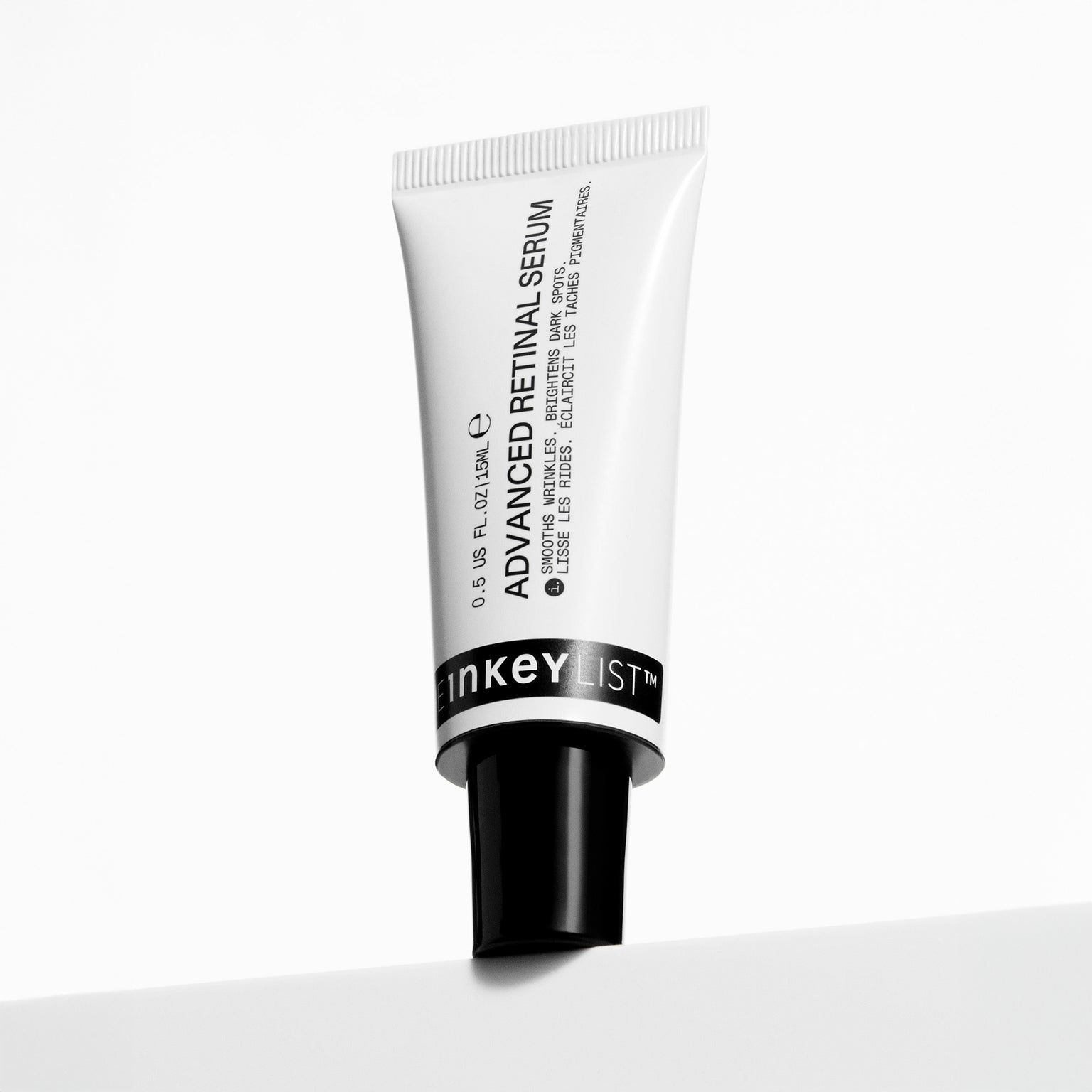
Vitamin A derivatives are the most evidence-backed ingredients in anti-ageing skincare. They increase cell turnover, stimulate collagen production, and treat acne. But the umbrella term 'retinoid' hides enormous variation in potency and mechanism.
The Conversion Chain
All retinoids must be converted to retinoic acid in the skin to have an effect. Tretinoin is retinoic acid: it works immediately. Retinaldehyde requires one conversion step. Retinol requires two. Retinyl palmitate requires three. Each step reduces potency but also reduces irritation.
Tretinoin at 0.025% will always outperform retinol at 1%, but the journey to tolerating tretinoin requires patience and a solid barrier.
Starting Slow
Begin with retinol at 0.025-0.05% every third night, slowly building frequency over 8-12 weeks before increasing concentration. This 'low and slow' approach, sometimes called the retinoid sandwich method, dramatically reduces the purging and flaking many experience when jumping straight to high concentrations.