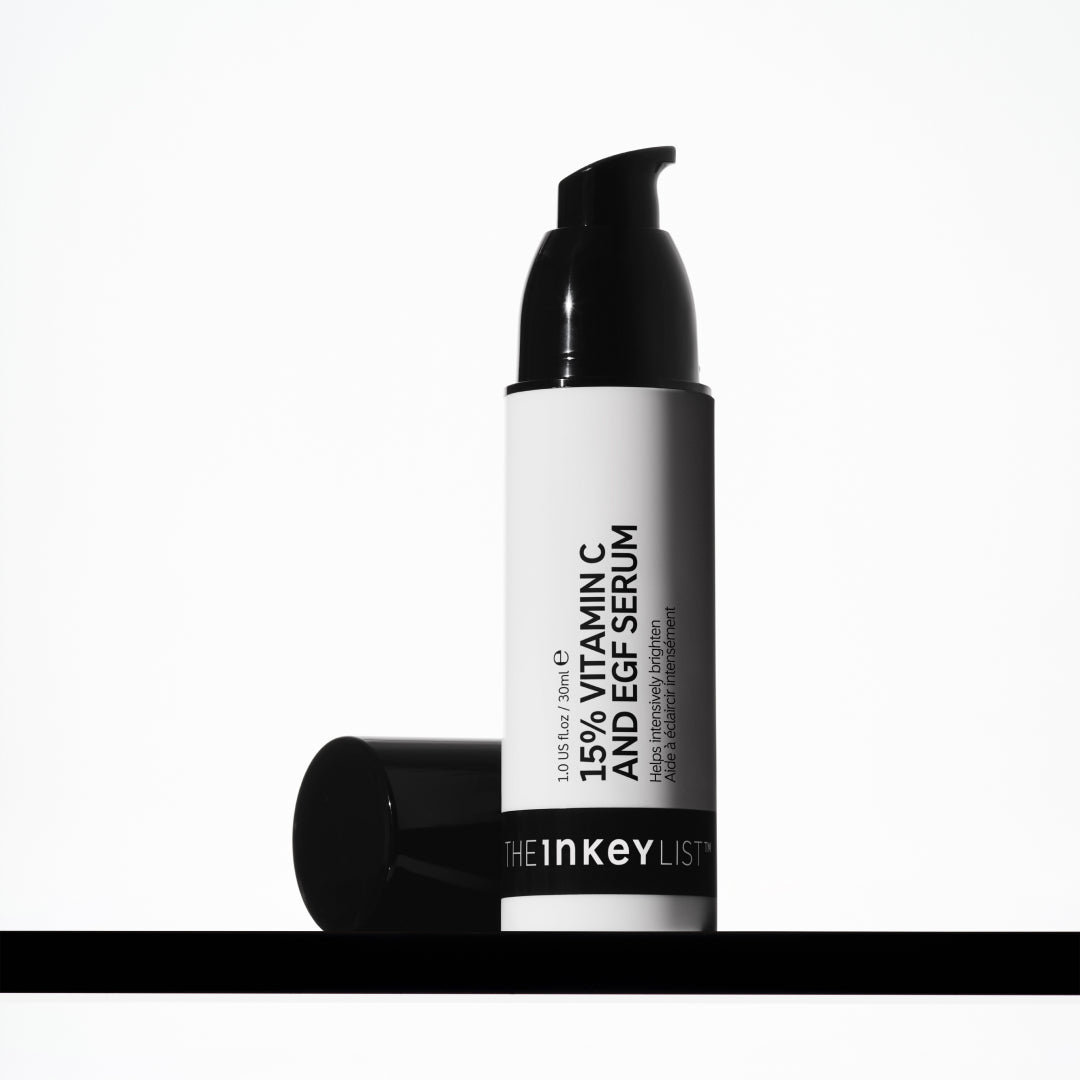
Vitamin C is arguably the most studied antioxidant in skincare. It brightens hyperpigmentation, stimulates collagen, neutralises free radicals, and helps your SPF work harder. But 'vitamin C' on a label could mean one of a dozen different ingredients, and they're not interchangeable.
L-Ascorbic Acid: The Gold Standard
L-ascorbic acid (LAA) is the most bioavailable form: the one your skin can use directly. At concentrations of 10-20%, it delivers the most potent brightening and antioxidant effects. The catch? It oxidises quickly on contact with air and light, turning yellow then orange as it degrades.
Effective LAA formulas require a pH below 3.5 to penetrate the skin's acid mantle. This makes them the most likely vitamin C product to cause tingling or irritation, particularly for those with sensitised or compromised barriers.
Stable Derivatives: The Trade-Off
Ingredients like sodium ascorbyl phosphate, ascorbyl glucoside, and ascorbyl tetraisopalmitate are stable forms that must be converted to L-ascorbic acid in the skin. They're gentler and longer-lasting in the bottle, but require higher concentrations to achieve similar efficacy.
A fresh 15% L-ascorbic acid serum will outperform a stable derivative, but only if it hasn't oxidised in the bottle first.
Which Should You Choose?
If you have robust, tolerant skin and want maximum brightening power, go for L-ascorbic acid at 10-15% from a brand with good packaging (airless pump, opaque bottle). If you have sensitive or reactive skin, a stable derivative like sodium ascorbyl phosphate at 10%+ is a far more pleasant daily option.