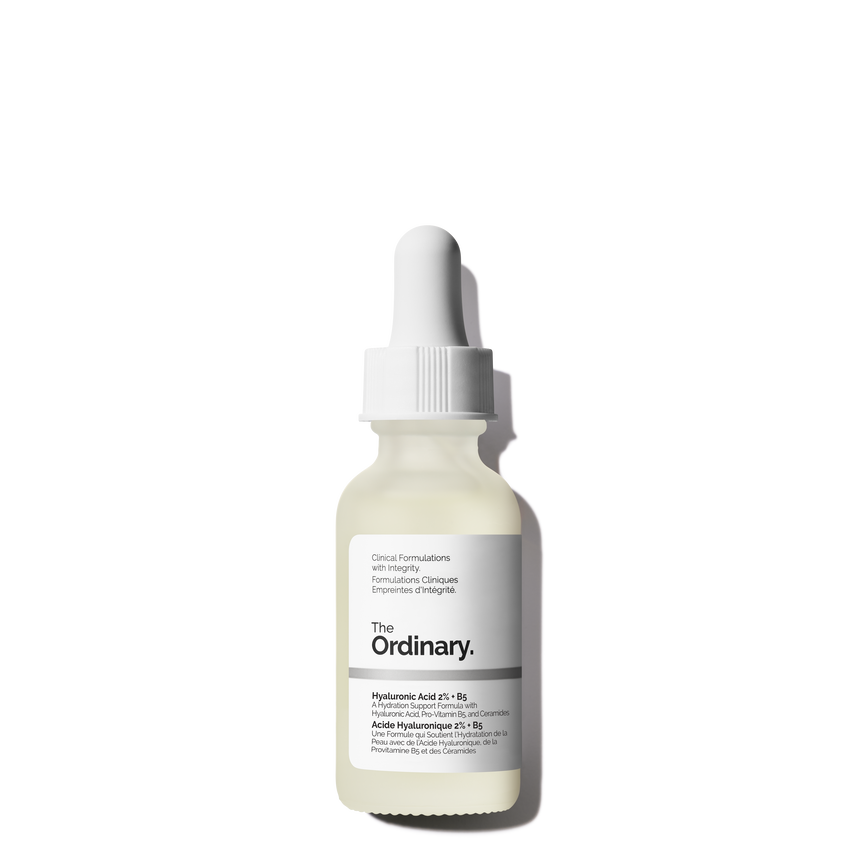
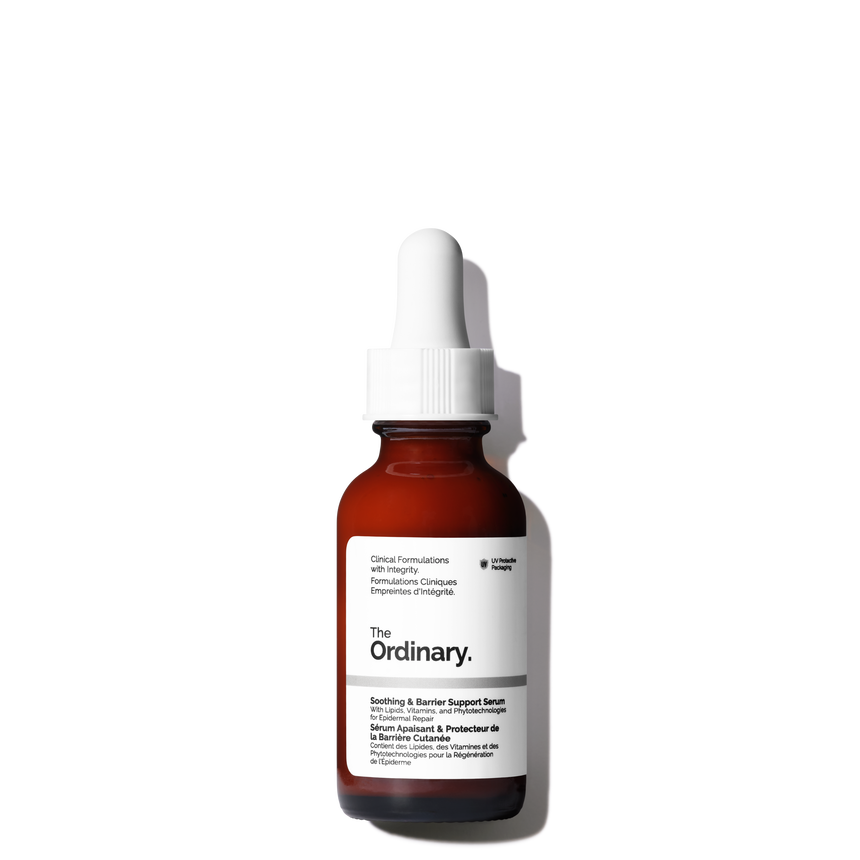
Squalane is the rare facial oil that works for almost every skin type, including the two it's most often warned away from: oily and acne-prone. Most online skincare advice treats oils as a single category to be avoided if your skin produces too much oil already, which is sensible advice for an unknown oil and the wrong advice for this specific one. Squalane is a saturated hydrocarbon that is structurally near-identical to a major component of human sebum, sits at a comedogenicity rating of 1 out of 5, and is the only oil that most dermatologists comfortably recommend to people with acne-prone skin. It's also the most useful low-effort addition to a sensitive-skin or dry-skin routine and a quietly effective barrier ingredient for mature skin. The catch is that nothing about squalane is exciting — it doesn't fade dark spots, it doesn't build collagen, and it doesn't reduce wrinkles in twelve weeks. What it does is sit on the skin behaving like the lipid layer the skin is trying to maintain, which is a smaller claim than most ingredients make and a more reliable one. This guide covers what squalane is, why the molecular profile matters more than the oil-versus-not-oil distinction, where the common advice goes wrong, and how to fit it into a routine without overcomplicating it.
What Squalane Actually Is
Squalane (INCI: Squalane) is a saturated hydrocarbon with the chemical formula C30H62. It is the hydrogenated, shelf-stable cousin of squalene, a lipid produced naturally by the sebaceous glands and a substantial component of human sebum. The difference between squalene and squalane is one chemical step: squalene contains six double bonds that make it prone to oxidation, and squalane is what you get when those double bonds are saturated with hydrogen, producing a stable molecule that doesn't go rancid in the bottle or on the skin. The structural similarity to the lipid the skin already makes is the entire reason squalane behaves so differently from other plant oils.
Modern squalane is almost always plant-derived. The two most common sources are sugarcane (fermented to produce a precursor that is then chemically converted to squalane) and olives, with smaller volumes from amaranth seed and rice bran. Older squalane supply chains relied on shark liver oil, which is where the historical association comes from, but the industry has shifted substantially toward plant sources over the last fifteen years for both ethical and sustainability reasons. The two routes produce a chemically identical molecule. Once you reach pure squalane, the source is invisible, so the distinction matters for sourcing ethics rather than for how the ingredient performs.
Why Squalane Is Different From Other Oils
The argument against face oils on oily and acne-prone skin is straightforward: many botanical oils contain fatty acids (oleic acid, in particular) that disrupt the skin barrier and can feed Malassezia, the yeast involved in fungal acne; others are physically heavy enough to sit on the skin and trap sebum and dead cells inside pores. Coconut oil, olive oil (the raw oil, not olive-derived squalane), and many cold-pressed botanicals fall into that category, and the blanket warning to avoid oils on acne-prone skin is a reasonable default when the alternative is sorting through dozens of oils with very different molecular profiles.
Squalane sits outside that category for three reasons. First, it's a pure hydrocarbon — no fatty acids, no triglycerides, no Malassezia-feeding lipids. Second, it's structurally near-identical to a major component of human sebum, which means the skin treats it as familiar rather than foreign and the surface biology doesn't have to compensate. Third, it has a comedogenicity rating of 1 out of 5 on the standard rabbit-ear assay (the source most ingredient databases cite) and is widely documented as non-comedogenic in clinical use across all skin types. The dermatological consensus is that squalane is the safest single oil to recommend to someone with acne-prone skin who wants the benefit of an emollient without the comedogenic risk of a generic botanical.
Most face oils carry a blanket warning for acne-prone skin. Squalane is the one consistent exception — and it earns that exception by being chemically near-identical to the lipid the skin already makes.
Where We Differ From the Common Take
If you have oily or acne-prone skin, you'll have read in plenty of places that oils — all of them — should be avoided. That advice exists for a reasonable reason: most readers can't be expected to distinguish between a comedogenic cold-pressed botanical and a non-comedogenic synthetic emollient on the back of a bottle, and the cautious default of 'no oils' protects more people than it harms. We don't think that default is wrong as a starting point. What we think is wrong is applying it to squalane specifically, where the chemistry that drove the original warning doesn't apply.
The cautious version of the advice is the one to lead with: if your skin is oily, acne-prone, or unfamiliar with squalane, patch test on the inner forearm or jawline for three to five nights before applying it to the full face, use a small amount rather than a generous one, and stop if you see any change in spot frequency. That's the conservative route, and for some readers it will be the right one. For most, though, a thin layer of pure squalane applied two or three nights a week over an existing moisturiser is far more likely to improve the routine than to disrupt it. In our reading of the evidence, the people who would benefit most are exactly the ones the blanket advice tells to skip it. The reasoning is the molecular case above: a non-fatty-acid hydrocarbon that mimics sebum doesn't behave like the oils the original warning was written about. If you're already running a stripping cleanser-heavy oily-skin routine that produces a tight, flaky surface by the evening, squalane is one of the lowest-risk things you can add to soften that pattern.
Where we agree fully with the conservative reading: don't assume squalane is a substitute for a moisturiser if you have dehydrated skin (it isn't, since it's an occlusive rather than a humectant), don't apply it to dirty or sebum-heavy skin and expect any of the benefit, and don't pile it on in a thick layer expecting more to be better. The advantages are real but small, and they show up when squalane is used the way the molecular profile suggests: thin, late in the routine, on clean skin, with a hydrating base underneath.
What the Evidence Shows
The clinical literature on squalane is less voluminous than the literature on retinol or vitamin C, but it's consistent and uncontroversial. Squalane reduces transepidermal water loss (TEWL) — the rate at which water evaporates from the skin surface — when applied as an occlusive layer. That is the mechanism by which any lipid-based ingredient supports the barrier. The TEWL reduction is smaller than petrolatum (the gold standard occlusive) but meaningful, and it comes without the heavy, film-forming texture that makes petrolatum unsuitable for daytime or makeup use. For people who want the barrier benefit of an occlusive in a wearable texture, squalane is the most-cited middle ground.
Tolerability data is the other reliable strand. The Cosmetic Ingredient Review panel reviewed squalane and squalene and concluded both are safe for use in cosmetics at the concentrations typically used in formulations. Published patch-test data shows extremely low rates of sensitisation or irritant reactions across skin types, including in sensitive, rosacea-prone, and post-procedure skin. The comedogenicity rating of 1 out of 5 puts squalane in the same category as glycerin and hyaluronic acid for clogging potential (technically non-zero, practically negligible), and a small body of dermatology studies on acne-prone skin specifically has confirmed no significant difference in spot frequency between squalane users and controls.
What the evidence doesn't show is dramatic effects on pigmentation, wrinkles, or any of the outcomes that anti-ageing actives target. Squalane is a barrier ingredient and an emollient, not an active. Marketing that positions it as an anti-ageing breakthrough or a hyperpigmentation treatment is overpromising what the molecule can do. The realistic outcome from adding squalane to a routine is smoother surface texture within a few days, less tightness after cleansing, slightly faster recovery from active-ingredient irritation, and a more comfortable barrier in cold or dry weather. Those are all useful outcomes — just not the kind that make headlines.
Who Squalane Works For
Dry skin is the obvious case. Squalane sits comfortably as a final occlusive layer over a humectant-heavy serum, reducing TEWL overnight and producing visibly softer surface texture within a few days. For very dry or weather-stripped skin, squalane applied to damp skin (after a hyaluronic acid serum but before the moisturiser has fully dried) is the technique that gets the most out of the ingredient, sealing in the water rather than sitting on top of dry surface skin and doing less.
Oily skin is the counter-intuitive case and the one most readers will have been told to avoid. The argument for squalane on oily skin, beyond the comedogenicity profile, is that the surface lipid layer is part of what regulates sebum production — when the skin senses a depleted lipid barrier, sebaceous glands compensate by producing more oil, which is exactly the pattern oily-skin routines built around stripping produce. A thin layer of squalane as a final step signals to the skin that the surface is sufficiently lipid-rich, and over a few weeks this often correlates with reduced surface shine rather than increased oiliness. This is the recommendation built into the skincare routine for oily skin guide as an optional final step, and it's where most of the practical pushback against the blanket no-oils advice plays out.
Sensitive and reactive skin is where squalane is least controversial and most useful. The combination of a near-zero irritation profile, no fragrance, no essential oils, no preservatives in the pure form, and no actives means squalane is one of the safest additions to a routine for someone with rosacea, eczema-prone skin, or a barrier compromised by overuse of actives. Many dermatologists recommend it explicitly for post-procedure recovery (after microneedling, peels, laser) for the same reason: it provides occlusive support without introducing anything the inflamed skin has to react to.
Mature skin benefits from squalane primarily as a barrier support rather than as an anti-ageing ingredient. Skin lipid production declines with age, and the natural squalene content of sebum drops alongside it; topical squalane substitutes for some of what's been lost. Pairing squalane with a retinoid (squalane applied a few minutes after the retinol, as a buffering and barrier-supporting final layer) is one of the most-recommended techniques for older skin or skin starting retinol. It doesn't reduce the retinoid's efficacy but does reduce the dryness and flaking that often derail a retinol routine in the first month.
Acne-prone skin and fungal acne (Malassezia folliculitis) are the two cases where squalane is most distinctly different from generic oil advice. Standard botanical oils are typically warned against for both, because most contain oleic acid that disrupts the barrier and triglycerides that can feed Malassezia. Squalane contains neither. It is consistently listed as safe in the curated 'fungal acne safe' resources that more specifically address these concerns (Sezia, Folliculitis Scout) and is one of the few oils that dermatologists comfortably recommend to acne-prone readers. The caveat remains that any individual skin may react to anything, so a patch test before full-face use is sensible, but the population-level evidence is clear.
Squalane During Pregnancy and Breastfeeding
Squalane is one of the unambiguously safe ingredients during pregnancy and breastfeeding. It has no systemic absorption concerns, no hormonal activity, no teratogenic flags, and no published reports of adverse effects in pregnancy use. The molecule is biologically identical (squalane) or near-identical (squalene) to a lipid the body already makes in substantial quantities, and topical application has no mechanism by which it could plausibly cause harm during pregnancy. Most clinicians who write about pregnancy-safe skincare list squalane as a green-light ingredient without caveats.
This makes squalane particularly useful as a barrier support in a pregnancy routine where many actives are off the table. For readers building a pregnancy-safe routine, squalane pairs naturally with the other widely-cleared ingredients (hyaluronic acid, glycerin, niacinamide, azelaic acid, vitamin C, bakuchiol) and is the easiest occlusive addition to that list. The pregnancy-safe skincare guide covers the wider picture of what's in and out during pregnancy.
Plant-Derived vs Animal-Derived Squalane
Historically, the squalane in skincare was derived from shark liver oil. Sharks store substantial squalene in their livers as part of buoyancy regulation, and the industrial extraction was efficient enough to make sharks the dominant source for decades. Conservation pressure, sustainability commitments from major brands, and the development of cost-competitive plant-based supply chains have shifted the industry substantially toward sugarcane and olive sources, but shark-derived squalane is still produced and still appears in some markets, particularly in lower-end product lines and certain regional supply chains.
If sourcing matters to you, look for the words 'plant-derived,' 'sugarcane-derived,' or 'olive-derived' on the packaging or in the brand's stated sourcing. The Ordinary's 100% Plant-Derived Squalane and Biossance's sugarcane-derived squalane both lead with the source as a selling point; The Inkey List uses olive-derived squalane in its formulas. Most reputable Western brands have committed to non-shark sources, but the commitment is worth checking rather than assuming, particularly for cheaper unbranded squalane oils sold via marketplaces.
Concentrations and Formulation
Squalane appears in skincare in two distinct ways. The first is as a single-ingredient oil sold at 100% concentration in a dropper bottle, used as a standalone treatment or as a carrier oil. The Ordinary's 100% Plant-Derived Squalane is the benchmark and the cheapest serious option at around £9-10 for 30ml; Biossance, Indeed Labs, and a handful of clean-beauty brands offer the same molecule at higher prices with no functional difference. For a routine ingredient where the chemistry is identical across brands, paying the lower price is the sensible default.
The second is as a supporting ingredient in moisturisers, serums, sunscreens, and retinol formulations, typically at 0.5–5% of the formula. The Ordinary's Retinol in Squalane line (0.2%, 0.5%, and 1%) uses squalane explicitly as the carrier because it stabilises retinol and reduces irritation simultaneously, and squalane is high in the ingredient list because it is the bulk of the formula. The Inkey List Starter Retinol Serum, Caffeine Eye Cream, Dewy Sunscreen SPF 30, and 10% Niacinamide Serum all use squalane as a supporting emollient at smaller concentrations. The Naturium plant-squalane oil is a higher-priced 100% squalane option.
What to look for in a squalane-led product: squalane in the first three ingredients, no surprise additions of essential oils or fragrance, and a delivery format (dropper bottle or pump) that protects the oil from contamination. What to be sceptical of: 'squalane-enriched' or 'squalane-infused' moisturisers where squalane appears near the bottom of the ingredient list. These are using the ingredient as a marketing claim rather than at a concentration that would meaningfully contribute to the formula. The product is rarely worse for it, but it isn't the squalane that's doing the work.
How to Use Squalane in a Routine
The rule for squalane is: thin layer, late in the routine, on clean skin. Three to five drops pressed into the face is typically enough for the whole face. Squalane is far thinner than it looks in the bottle and spreads further than expected. Applying more than this doesn't increase the benefit and tends to leave a visible film that's less comfortable under makeup or pyjamas. The standard application order is after serums, after moisturiser, as the final step in the routine before SPF in the morning or as the actual final step at night.
For dry or weather-stripped skin, the technique that gets the most out of squalane is applying it to damp skin within thirty seconds of a hyaluronic acid serum, before the surface has fully dried, so the occlusive layer seals in the water rather than sitting on top of dehydrated surface skin. This is the 'damp skin' application that several Korean and Japanese routines build around, and it's the meaningful difference between squalane being a small comfort and being a noticeable improvement to a winter routine.
For oily and acne-prone skin starting with squalane, two or three nights a week is a sensible introduction. A thin layer over the moisturiser, on nights without an active in the same step, is the lowest-risk starting cadence. If the skin tolerates it well after a fortnight and there's no increase in spots or congestion, daily evening use is the next step. There is no need to use squalane in the morning if it doesn't sit well under SPF, since the evening application captures most of the benefit.
For people running a retinol routine, applying squalane a few minutes after the retinol (long enough for the retinol to absorb, but as the next layer) is the most-cited technique for buffering retinol's irritation without reducing efficacy. The Ordinary's Retinol in Squalane formulations bake this combination into a single product, but you can replicate it with any retinol serum followed by 100% squalane. This is part of why squalane is so often paired with the start of a retinol routine in the layering actives guide.
Squalane as a 'Slugging Lite'
Slugging is the practice of applying a thin layer of petrolatum (Vaseline, Aquaphor) over the rest of the evening routine to seal in moisture. It has become a mainstream technique for dry skin and barrier repair, and it works, but it has two drawbacks: the heavy, film-forming texture is uncomfortable for many people, and petrolatum is sufficiently occlusive that it can cause congestion in oilier skin or trap actives against the skin in ways that increase irritation. Squalane is the lighter middle ground that delivers part of the slugging benefit without those trade-offs.
If you've read about slugging and wanted the barrier-repair effect without the heavy texture, squalane is the closer fit. The occlusive strength is genuinely lower (petrolatum reduces TEWL by around 99%, squalane by 30 to 50% depending on the application), but for most use cases that lower number is sufficient, and the cosmetic acceptability is so much higher that people actually keep doing it. For very dry skin or post-procedure recovery, petrolatum is still the stronger choice; for general routine support and oilier or combination skin, squalane is the more sustainable habit.
What to Pair Squalane With
Squalane is one of the most layering-friendly ingredients in skincare. It doesn't conflict with anything, doesn't change the pH of acid-based actives applied underneath it, and doesn't reduce the efficacy of retinoids, vitamin C, or any other active in the routine. The natural partners are humectants: hyaluronic acid, glycerin, and panthenol all do the water-attracting work that squalane then seals in, and the combination produces more visible hydration than either ingredient alone.
For active routines, squalane pairs particularly well with retinol (as discussed above), with the AHAs (glycolic acid, lactic acid) where it buffers the inevitable irritation, and with vitamin C serums where it provides a barrier-supportive cushion. Niacinamide and squalane are also a natural pair, since both are well-tolerated, both support the barrier from different angles, and the combination is widely recommended for sensitive and oily skin alike. Ceramides, applied as a separate moisturiser before squalane, complete the barrier-repair triad of internal lipid replenishment, humectant water-binding, and occlusive sealing.
What squalane doesn't pair with usefully is more squalane. The ingredient is already in many moisturisers, sunscreens, and retinol formulations, and adding a 100% squalane layer over an already-squalane-containing moisturiser is unlikely to be additive. If your moisturiser lists squalane in the top three ingredients, the standalone oil is redundant rather than complementary. Squalane also doesn't replace a moisturiser, since it's an occlusive without humectant or hydrating function of its own. On its own it can leave dehydrated skin feeling smoother on the surface and drier underneath.
Products Worth Considering
At the affordable end, The Ordinary's 100% Plant-Derived Squalane (£9.90 for 30ml) is the benchmark and the cheapest credible squalane oil on the market. It is the molecule, in a dropper bottle, with nothing else (no fragrance, no essential oils, no preservatives), and the chemistry is identical to squalane oils sold for many times the price. For a routine ingredient where the active is a defined molecule rather than a complex formula, the price difference is almost entirely brand premium. The Ordinary Squalane Cleanser (£14.90) puts the same molecule in a melting balm cleanser, which is a useful crossover product for the first cleanse in a double-cleanse routine.
Mid-range, The Inkey List's squalane-containing formulas (the Starter Retinol Serum at £12, Caffeine Eye Cream at £10, and Dewy Sunscreen SPF 30 at £15) use squalane as a supporting ingredient at meaningful concentrations within targeted formulations. These are useful when squalane's role is to support the rest of the formula rather than to be the standalone treatment. Naturium's Plant Squalane Oil is a higher-priced 100% option for people who prefer that brand's positioning and packaging.
For the Retinol in Squalane crossover, The Ordinary's 0.2%, 0.5%, and 1% formulations build the squalane-as-carrier technique into a single product. Squalane stabilises the retinol, reduces the irritation, and provides the final occlusive layer simultaneously, which is three jobs in one bottle and unusual for retinol formulations. For people starting retinol or with sensitive skin, these are some of the most-recommended retinol products on the market for exactly that combined benefit. The retinol vs retinoids guide covers concentration progression and how to choose the right starting point.
What to be wary of: any 100% squalane oil priced above £30 for 30ml without a meaningful sourcing or sustainability story attached, any 'squalane serum' that buries squalane low in the ingredient list while marketing it at the top, and any product that combines squalane with essential oils marketed as 'aromatherapy benefits'. The essential oils introduce sensitisation risk that defeats the point of choosing squalane in the first place. The reliable signal is squalane high in the ingredient list, a simple supporting cast (or none), and a price that reflects the ingredient rather than the brand.
Common Mistakes
Using squalane as a moisturiser substitute. Squalane is an occlusive, not a moisturiser. It has no humectant action and provides no water to the skin. Applied alone on dry skin, it can produce a smoother surface and a drier interior. The right use is over a hydrating step (a hyaluronic acid serum, a glycerin-based toner, or a moisturiser with humectants high in the formula); the wrong use is in place of one. For dehydrated skin, the combination of humectant plus squalane is far more effective than either alone.
Using too much. Squalane spreads far more than it looks like it will, and three to five drops is genuinely enough for the whole face. Applying ten or fifteen drops leaves a heavy, visible film that's uncomfortable and unnecessary, since the occlusive benefit caps out quickly and additional volume doesn't add more. This is the most common reason squalane gets dismissed as 'too greasy' by oily-skin users; the technique, not the ingredient, is usually the problem.
Assuming all oils are similar. The blanket warning against face oils on oily skin makes sense when applied to cold-pressed botanicals, but it doesn't transfer to squalane and shouldn't be the reason an oily-skin reader avoids it. Squalane's molecular profile is genuinely different from the oils the warning was written about, and reading the comedogenicity and fatty acid content of each individual oil is more useful than treating 'oil' as a single category.
Expecting active-ingredient outcomes. Squalane is a barrier and emollient ingredient, not an active. It won't fade pigmentation, smooth wrinkles, or treat acne directly. The realistic benefits are smoother surface texture, reduced TEWL, less tightness after cleansing, and slightly faster recovery from active irritation. These are useful outcomes but they're not what active marketing implies, and users who buy squalane expecting visible anti-ageing change within twelve weeks will be disappointed. For active outcomes, the actives are the ingredients to add; squalane is what supports them.
Frequently Asked Questions
Is squalane safe for acne-prone skin? Yes, in most cases. Squalane has a comedogenicity rating of 1 out of 5 and is one of the few oils dermatologists consistently recommend for acne-prone skin. It contains no fatty acids or triglycerides that feed Malassezia, doesn't disrupt the barrier, and is widely listed as safe in the curated resources for fungal acne and folliculitis. The caveat is that any individual skin may react to anything, so a patch test on the inner forearm or jawline for three to five nights before full-face use is sensible, but the population-level evidence is unambiguous.
Can I use squalane during pregnancy? Yes. Squalane is on every credible pregnancy-safe skincare list without caveats. The molecule is biologically near-identical to a lipid the body already produces, has no systemic absorption concerns, and has no hormonal or teratogenic flags. It pairs naturally with the other widely-cleared pregnancy ingredients (hyaluronic acid, glycerin, niacinamide, azelaic acid, bakuchiol) and is the easiest occlusive addition to a pregnancy routine.
Is squalane the same as squalene? Almost, but not quite. Squalene is the original lipid produced by the skin's sebaceous glands and present in plant sources; squalane is squalene that has been hydrogenated to remove the double bonds, producing a stable shelf-life form. Squalane is what's used in skincare because squalene oxidises rapidly once exposed to air, which would make it impractical in a dropper bottle. The molecules behave similarly on the skin, but only squalane is stable enough for commercial use.
Will squalane make my skin oily? Almost never. The combination of low comedogenicity and biocompatibility means squalane doesn't typically increase surface oiliness, and for many users the opposite is true: a thin layer of squalane signals lipid sufficiency to the skin and over time correlates with reduced surface shine. The exception is users who apply too much (ten or fifteen drops rather than three to five), where the visible film can be mistaken for additional oiliness. The technique matters more than the ingredient.
Can I use squalane with retinol? Yes. Squalane is one of the most commonly recommended pairings for retinol, applied a few minutes after the retinol as a buffering and barrier-supporting final layer. The Ordinary's Retinol in Squalane formulations build the pairing into a single product. Squalane doesn't reduce retinol's efficacy and does reduce the dryness and flaking that often derail a new retinol routine in the first month. The layering actives guide covers the technique in more depth.
Plant-derived or shark-derived: does it matter? Chemically, the molecule is identical regardless of source. Ethically and environmentally, shark-derived squalane is no longer the standard in most Western markets, and the major reputable brands have shifted to sugarcane or olive sources. If sourcing matters to you, look for 'plant-derived' or a stated source on the packaging; The Ordinary's 100% Plant-Derived Squalane and Biossance's sugarcane-derived options lead with the source as part of the product naming.
Can squalane replace my moisturiser? No, not effectively. Squalane is an occlusive without humectant or water-binding function of its own. On dehydrated skin, it can produce a smoother surface and a drier interior. The right approach is to layer squalane over a hydrating step rather than to use it in place of one. For very simple routines, a humectant-based moisturiser followed by a thin layer of squalane covers the same ground as a more complex routine for less money.
How long until I see results? Faster than most ingredients in skincare. The barrier and surface-texture benefits of squalane are typically visible within a few days of consistent use — softer surface, less tightness after cleansing, less flaking. The slower outcomes, like reduced surface shine on oily skin or improved tolerance of retinol, build over two to four weeks. Unlike anti-ageing actives, squalane doesn't need a twelve-week evaluation window. If it isn't doing anything after a fortnight, the formulation is likely too thin for it to matter (or you have squalane in too many other products to notice the standalone layer). See all products containing squalane for the full range available on the site.