Alpha arbutin works. It fades dark spots and evens out tone by slowing the enzyme that makes melanin, it is one of the gentlest brightening actives you can buy, and a well-made 2% serum costs about £10. What it does not do is produce the dramatic 'before and after' photos that sell it online, at least not quickly and not on its own. Realistically, alpha arbutin is a low-irritation, slow-acting brightener that takes eight to twelve weeks to show, works best alongside daily SPF and one or two other pigment-fighting ingredients, and earns its place as the brightener for people whose skin will not tolerate the stronger options. This guide covers how it works, what the evidence actually shows, how it compares with vitamin C, azelaic acid and tranexamic acid, and how to use it so the results you do get are the ones you keep.
What Alpha Arbutin Actually Is
Alpha arbutin is a glycoside: a molecule of hydroquinone bonded to a glucose sugar. On an INCI list it appears as Alpha-Arbutin, and it is made in the lab by an enzymatic process rather than extracted from plants. Its close relative, beta-arbutin (usually listed simply as Arbutin), occurs naturally in bearberry, cranberry and blueberry leaves, which is why you will sometimes see bearberry extract sold as a 'natural' brightener. The two forms are mirror images of each other, and the alpha form is the one most serums use because it is more stable in formula and, in laboratory work, a considerably stronger inhibitor of the enzyme that matters.
That enzyme is tyrosinase. Every dark spot, whether it is a mark left behind by a breakout, a patch of sun damage or melasma, comes down to melanocytes producing more melanin than the surrounding skin. Tyrosinase is the enzyme that starts that process, converting the amino acid tyrosine into the precursors of melanin. Alpha arbutin sits in the enzyme's active site and slows it down. It does not bleach existing pigment, and it does not kill or damage melanocytes. It simply reduces how much new melanin is made, so that as pigmented cells are shed through normal turnover, they are replaced by more evenly coloured ones.
That mechanism explains almost everything about how alpha arbutin behaves. It is gentle because it is not exfoliating, not acidic and not provoking inflammation. It is slow because it is waiting on the skin's own renewal cycle to clear the pigment that is already there. And it is unlikely to cause purging, because it does not speed up cell turnover. The site's alpha arbutin ingredient data rates its irritation, dryness, purging and comedogenic risks all as low, which is a rare clean sheet for an active ingredient.
The Hydroquinone Question
Because alpha arbutin is built on hydroquinone, it is worth addressing the comparison directly. Hydroquinone is the long-standing prescription treatment for pigmentation in many countries, and it is effective. It is also not permitted in cosmetics sold in the UK or EU, and long-term use carries real risks, including irritation and, rarely, a paradoxical blue-grey darkening called ochronosis. Alpha arbutin is often described as a 'natural hydroquinone' or a 'hydroquinone alternative', and both phrases need some unpacking.
The useful truth is that alpha arbutin is not hydroquinone in disguise. Bonded to glucose, it is a different molecule that inhibits tyrosinase without hydroquinone's toxicity to melanocytes. The cautious truth is that alpha arbutin can slowly break down and release small amounts of free hydroquinone, particularly in hot conditions, in poorly formulated products, or at high concentrations. That is precisely why regulators have looked at it closely. The EU's scientific safety committee concluded that alpha arbutin is safe at up to 2% in face products and 0.5% in body lotions, and EU cosmetics law now sets those figures as legal limits, along with a requirement that any free hydroquinone in the finished product is kept to unavoidable trace levels.
The practical upshot is reassuring rather than alarming. A 2% face serum from a reputable brand sits exactly at the level that has been assessed as safe. The products worth avoiding are the ones that make a virtue of exceeding it: 'extra strength' 5% or 10% alpha arbutin serums, often sold through marketplaces and imported from outside the EU, which trade a speculative bump in efficacy for a real increase in hydroquinone exposure. More is not better here, and the limit is not a marketing number.
Alpha arbutin is not hydroquinone in disguise, but it is related closely enough that the 2% limit matters. A higher percentage buys you more risk, not faster results.
Where We Differ: Realistic Expectations
You have probably seen alpha arbutin promoted with striking before-and-after photos, often captioned with a two- or four-week timeline. It is easy to see why the ingredient attracts that kind of enthusiasm. It is cheap, it is gentle, it is genuinely evidence-based, and for someone frustrated by dark marks it sounds like the answer: a hydroquinone-like result without the hydroquinone.
Where we see it differently is on the size and speed of the effect. The honest read of the research is that alpha arbutin is a real but modest brightener. Much of its strongest evidence comes from laboratory studies on enzymes and cultured skin cells, where it inhibits melanin production convincingly. Human studies are fewer and smaller, and several of the better-known ones test alpha arbutin in combination with other brighteners, which makes its individual contribution harder to isolate. The results that do exist point in a consistent direction, a gradual lightening of spots and more even tone over two to three months, but not the dramatic change the photos suggest. Many of those photos also show changes that would partly have happened anyway, since post-inflammatory marks fade on their own over time.
None of this is a reason to skip it. Our position is simply that alpha arbutin is best understood as a dependable supporting player rather than a standalone fix: the gentlest of the tyrosinase inhibitors, and the one to reach for when vitamin C stings, azelaic acid itches or acids leave you red. If you go in expecting a steady improvement over a season rather than a reveal in a fortnight, it is very unlikely to disappoint you.
What the Evidence Shows
The mechanism is well established. Alpha arbutin reliably inhibits tyrosinase in laboratory studies, and in work comparing the two forms it has consistently come out stronger than beta-arbutin. In pigmented skin models, it reduces melanin production without the cell toxicity seen with hydroquinone, which is the basis of its reputation as the safer relative.
In people, the picture is encouraging but thinner. Small clinical studies of topical alpha arbutin have reported measurable lightening of solar lentigines (sun spots) and improvement in melasma over treatment periods of around eight to twelve weeks. Formulations that pair alpha arbutin with other brighteners, such as niacinamide or tranexamic acid, tend to show stronger results than alpha arbutin used alone, which fits the broader principle that pigmentation responds best to several mechanisms at once. What is missing is the kind of large, long-term, head-to-head trial that exists for hydroquinone or, to a lesser extent, for azelaic acid and vitamin C.
The fair summary is that alpha arbutin is a credible, low-risk ingredient with a sound mechanism and supportive, if limited, clinical data. That places it a step behind azelaic acid and vitamin C in the strength of its evidence, and a long way ahead of most botanical 'brightening extracts', which rarely have any human data at all.
Alpha Arbutin vs Vitamin C, Azelaic Acid and Tranexamic Acid
The four ingredients people most often weigh up for dark spots each work differently, and that is the most useful way to choose between them. The hyperpigmentation ingredients guide covers the full set; here is how alpha arbutin compares with its closest rivals.
Vitamin C, in its L-ascorbic acid form, also inhibits tyrosinase, but it adds antioxidant protection against the UV and pollution damage that triggers new pigment. It has the larger research base and a broader anti-ageing case, but it is unstable, often formulated at a low pH, and stings sensitive skin. Alpha arbutin is the gentler and more stable of the two; vitamin C is the more versatile. They are not rivals so much as a natural pairing, and the vitamin C serums guide explains how to choose a formula.
Azelaic acid inhibits tyrosinase too, and it is also anti-inflammatory and antibacterial, which makes it the stronger choice when pigmentation comes alongside acne or redness. It has better clinical evidence for melasma and post-inflammatory marks than alpha arbutin does. The trade-off is tolerability: azelaic acid commonly tingles or itches for the first few weeks. The azelaic acid deep dive covers when that trade-off is worth making.
Tranexamic acid works further upstream, interrupting some of the inflammatory signalling that tells melanocytes to produce pigment in the first place. It has particular promise for melasma, and because it works by a different route from alpha arbutin, the two complement rather than duplicate each other.
The way to read all this: alpha arbutin is the lowest-irritation option of the four, with the most modest evidence. If your skin tolerates everything, it is rarely the strongest choice on its own. If your skin is sensitive, reactive or already using a retinoid or acid that limits what else you can add, it is often the most usable one.
Who Alpha Arbutin Is For
Sensitive skin is the clearest case. Alpha arbutin is not acidic, does not exfoliate and rarely irritates, so it is one of the few brightening actives that sensitive and reactive skin can use daily without a breaking-in period. If vitamin C or azelaic acid has caused stinging, alpha arbutin is the obvious next thing to try before giving up on brightening altogether.
Post-inflammatory hyperpigmentation, the brown or dark marks left after spots heal, is the second. These marks are especially common and persistent on medium and darker skin tones, where the risk of an irritating active causing fresh pigment is highest. A brightener that works without inflammation suits that situation well, and alpha arbutin's non-comedogenic rating means acne-prone skin can use it without adding to the breakouts that caused the marks.
Anyone already running a demanding routine is the third. If you are using a retinoid or an exfoliating acid, adding another strong active is often the step that tips the barrier over. Alpha arbutin can usually slot in alongside those without adding to the irritation load.
Who will likely be underwhelmed: anyone hoping it will shift deep, long-standing melasma on its own, or anyone expecting visible change within a month. Melasma in particular is driven by hormones, heat and light as much as by tyrosinase activity, and it generally needs a combined approach and often a dermatologist. Alpha arbutin can be a helpful part of that plan, but it is not the whole plan.
How to Use Alpha Arbutin
Alpha arbutin is usually a serum, applied to clean skin before moisturiser. It can be used morning or evening, or both, since it does not cause sun sensitivity in the way that acids and retinoids do. A sensible default is twice daily: once in the morning under moisturiser and SPF, and once in the evening. Because it works by suppressing new melanin, consistency matters more than strength, and a serum used every day will do more than one used whenever you remember.
Apply it to the whole face rather than dabbing it on individual spots. Pigmentation tends to be patchier and more widespread than the visible marks suggest, and treating the whole area keeps the tone even rather than leaving lighter halos around treated spots. Water-based alpha arbutin serums tend to go on early in a routine, after cleansing and any toner, and before thicker serums and creams.
Give it time. Expect to wait eight to twelve weeks before judging it, and take photos in the same light at the start so you have a fair comparison. Pigment fades as cells are shed and replaced, and that cycle takes roughly a month in younger skin and longer as skin ages, so the first month is usually unremarkable.
The step that matters most is not alpha arbutin at all. UV exposure is the main trigger for new pigment, and a brightener without daily sunscreen is fighting a losing battle. The site's ingredient data flags alpha arbutin for sun-sensitivity caution for exactly this reason: not because it makes skin burn, but because brightened skin with less melanin has less of its own protection. SPF 30 or higher every morning, reapplied when you are outdoors, is part of the treatment. The vitamin C and SPF guide covers how to layer brighteners under sunscreen.
What to Pair It With
Alpha arbutin combines well with almost everything, which is one of its quieter strengths. The most useful partner is niacinamide, which works at a different stage of the process, reducing how much pigment is transferred from melanocytes to the surrounding skin cells. Alpha arbutin reduces how much is made; niacinamide reduces how much is delivered. Together they cover more ground than either alone, and both are gentle enough to layer daily. The niacinamide guide explains its other benefits.
Vitamin C pairs well in the morning, adding antioxidant protection under SPF, with alpha arbutin used either alongside it or in the evening. Tranexamic acid and azelaic acid can both be layered with it, since they work by different mechanisms. And because alpha arbutin is gentle, it sits comfortably on non-retinoid nights or alongside a gentle acid such as mandelic acid, which speeds up the shedding of already-pigmented cells. The mandelic acid guide covers why that acid suits pigmentation on darker skin tones.
There is one point of caution. Alpha arbutin's stability depends on pH, and some formulation chemists advise against layering it immediately with very low-pH products, such as strong AHA toners or pure L-ascorbic acid, in case the acidity speeds up its breakdown. The evidence that this matters on skin is thin, and it is not a dangerous combination. If you want to be careful, simply use the acid at night and the alpha arbutin in the morning, which is an easy routine to follow anyway. The layering actives guide covers the general principles.
Alpha Arbutin During Pregnancy
The site's ingredient data places alpha arbutin in the 'caution' category for pregnancy. Topical absorption is low, and it is generally regarded as lower-risk than hydroquinone, which is commonly avoided in pregnancy. But because alpha arbutin is a hydroquinone derivative and there is little pregnancy-specific safety data, some dermatologists recommend leaving it out as a precaution. This is a case where the cautious advice is the sensible default.
That matters because pregnancy-related melasma is common, and many people look for a brightener at precisely this time. Azelaic acid has more established safety data in pregnancy and is the usual first choice; niacinamide and daily mineral or chemical SPF are also widely considered fine. The pregnancy-safe skincare guide covers the wider picture, and any routine during pregnancy is worth running past your own GP, midwife or dermatologist.
Products Worth Considering
The benchmark is The Ordinary's Alpha Arbutin 2% + HA (around £10.50 for 30ml). It contains alpha arbutin at the full 2%, the level that has been assessed as safe for face products, paired with hyaluronic acid for light hydration, in a simple, fragrance-free water-based serum. For most people wanting to find out whether alpha arbutin works for their skin, there is no reason to start anywhere else, and at that price a full three-month trial is a modest outlay.
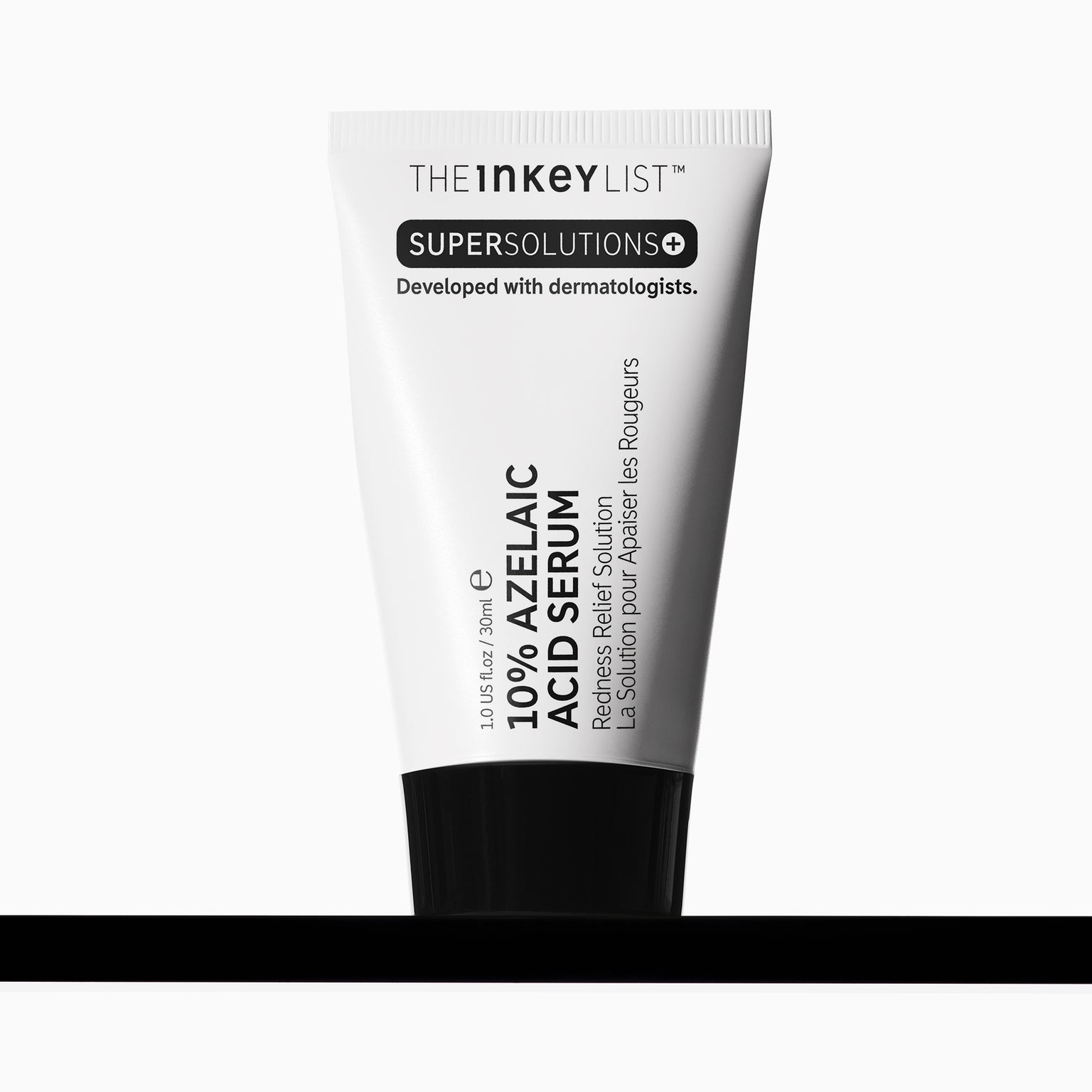
To build a combined approach, two gentle partners are worth considering. The Ordinary's Niacinamide 10% + Zinc 1% (around £5.00) adds the pigment-transfer mechanism at very low cost, though people with sensitive skin sometimes find 10% niacinamide too much and do better with a lower strength. The Inkey List's Tranexamic Acid Serum (around £16.00) combines 2% tranexamic acid with a vitamin C derivative, which suits stubborn marks or melasma-prone skin. If redness or breakouts come with your pigmentation, The Inkey List's 10% Azelaic Acid Serum (around £16.00) addresses both.
Whatever brightener you choose, the sunscreen does the most work. Purito's Daily Soft Touch Sunscreen SPF50+ (around £16.00) and The Ordinary's UV Filters SPF 45 Serum (around £15.80) are both light enough to wear daily over serums. You can compare the wider serum and SPF ranges in the shop.
What to be wary of: alpha arbutin serums advertised above 2% for the face, which exceed the EU safety limit; 'natural brightening' products relying on bearberry extract with no stated arbutin content; and products that list alpha arbutin near the very bottom of the ingredient list while featuring it prominently on the front. As ever, the ingredient list tells you more than the label.
Common Mistakes
Giving up too soon. Most people who decide alpha arbutin does not work stopped after three or four weeks, before the skin has had a chance to replace its pigmented cells. Commit to at least eight weeks, and preferably twelve, before deciding.
Skipping sunscreen. This is the single biggest reason brightening routines fail. Every day without SPF triggers new melanin production that undoes the previous days of alpha arbutin work.
Chasing higher percentages. A 2% serum is the assessed safe level for face products. Going higher increases potential hydroquinone exposure without reliable evidence of better results.
Spot-treating only. Dabbing serum on individual marks can leave the surrounding skin uneven. Apply it across the whole affected area.
Expecting it to work alone on melasma. Alpha arbutin can help, but melasma usually needs a combination of ingredients, rigorous sun and heat protection, and often professional advice.
Frequently Asked Questions
Does alpha arbutin actually work? Yes, but modestly and gradually. It reliably slows melanin production in laboratory studies, and smaller human studies show lightening of dark spots and more even tone over eight to twelve weeks. It works best as part of a routine with daily SPF and, ideally, a complementary brightener such as niacinamide.
How long does alpha arbutin take to work? Expect eight to twelve weeks before judging results. Because it reduces new pigment rather than removing existing pigment, it depends on skin cell turnover, which takes about a month in younger skin and longer in older skin.
Is alpha arbutin better than vitamin C? Neither is universally better. Alpha arbutin is gentler and more stable; vitamin C has stronger evidence and adds antioxidant protection. Sensitive skin may do better with alpha arbutin, while vitamin C is often more useful for skin that tolerates it well. Many routines use both.
Is alpha arbutin safe? At 2% in face products, alpha arbutin has been assessed as safe by EU scientific advisers and is permitted within that limit. Irritation is uncommon. Avoid face products above 2%, and be cautious during pregnancy because pregnancy-specific safety data is limited.
Can I use alpha arbutin with niacinamide? Yes. The two work at different stages of pigmentation and are a common, gentle pairing. Alpha arbutin reduces melanin production; niacinamide reduces how much pigment reaches the visible skin cells.
Can I use alpha arbutin with retinol or acids? Yes. It does not exfoliate or cause irritation on its own, so it combines well with retinoids and gentle acids. If you want to be cautious about pH, use acids or L-ascorbic acid at night and alpha arbutin in the morning.
Should I use alpha arbutin morning or night? Either works. It does not cause sun sensitivity, so morning use under SPF is fine, and many people use it twice daily. The more important point is to use it consistently and wear sunscreen every morning.
Does alpha arbutin cause purging? No. It does not increase cell turnover, so it is not expected to cause purging. If you notice breakouts after starting it, look at the rest of the formula or the other products in your routine. See all products containing alpha arbutin for the full range on the site.