Retinaldehyde, listed as 'Retinal' on ingredient labels, is a form of vitamin A that sits between retinol and prescription tretinoin. Skin has to convert retinol twice before it can use it; retinaldehyde needs only one step. In practice that tends to mean visible results a little sooner than retinol at a similar strength, with irritation that is usually milder than tretinoin. It is not a gentler retinol, though, and it is not a shortcut. Whether it suits you depends on how your skin handles retinoids already.
What Is Retinaldehyde?
Retinaldehyde (also called retinal or vitamin A aldehyde) is one of the natural forms of vitamin A in the body. In skincare it does the same job as every other retinoid: once converted to retinoic acid, it binds to receptors in skin cells and changes how they behave. Over months, that means faster cell turnover, more even pigment, smoother texture and more collagen.
Every retinoid you can buy over the counter is a precursor. The retinol vs retinoids guide covers the full family, but the short version is a chain of conversions:
Retinyl esters, such as retinyl palmitate, convert to retinol. Retinol converts to retinaldehyde. Retinaldehyde converts to retinoic acid, which is the form skin cells respond to. Tretinoin is retinoic acid itself, and in the UK it is prescription-only.
Each step loses some of the dose along the way, and each step also slows things down. Starting further along the chain is the whole case for retinaldehyde.
Retinaldehyde vs Retinol: What Actually Differs
The headline difference is that one missing conversion. A cosmetic retinaldehyde serum skips the retinol-to-retinaldehyde step, which is one of the slower stages in skin.
That does not make retinaldehyde ten times stronger, whatever the box says. You will often see precise multipliers on packaging ('works 11 times faster than retinol', for example). These figures tend to come from brand or supplier data rather than independent head-to-head trials, and they are hard to check. A fairer summary is that retinaldehyde is more efficient than retinol at the same concentration, and that most products use it at lower concentrations to compensate.
There are two other differences worth knowing.
Antibacterial activity. Retinaldehyde's aldehyde group gives it a direct antibacterial effect against Cutibacterium acnes, the bacterium involved in acne. Retinol and tretinoin do not share this. The evidence comes mainly from lab work and small clinical studies published from the late 1990s onwards, so it is promising rather than settled. It is still a reasonable reason for acne-prone skin to look at retinal first.
Stability. Retinaldehyde is more fragile than retinol. It breaks down with light, air and heat, so packaging and formulation matter more than usual. Opaque, airless or pump packaging is a good sign; a clear dropper bottle is not.
Retinaldehyde is not a gentler retinol. It is a more direct one, and it deserves the same patience.
How Does It Compare with Tretinoin?
The most cited trial here is a 1998 study in the Journal of the American Academy of Dermatology. It compared 0.05% retinaldehyde with 0.05% tretinoin on sun-damaged skin over 44 weeks. Both improved fine lines and roughness by similar amounts, and the retinaldehyde group had noticeably less irritation.
It was a single study with a modest number of participants, and it used a specific formulation. It does not prove that any retinal serum matches a prescription. What it does suggest is that the gap between the two is smaller than the gap between retinol and tretinoin, and that retinal is a sensible next step for anyone who has outgrown retinol but does not want, or cannot get, a prescription.
Some of the gentler feel may come from how skin handles retinaldehyde. Cells can convert it back to retinol and store it, rather than turning all of it into retinoic acid at once. That works as a kind of buffer, and it is one theory for why retinal tends to be better tolerated than its potency would suggest.
Who Is Retinaldehyde For?
The site's data lists retinal as suitable for anti-ageing concerns, acne-prone and oily skin, hyperpigmentation, dull skin and uneven texture. In practice, it tends to suit three groups.
People who have used retinol for a few months and plateaued. Moving to a low-strength retinal is usually a smaller jump than moving to a higher-strength retinol.
Acne-prone skin, because of the antibacterial effect described above, alongside the usual effect on clogged pores.
People who want stronger results without a prescription, and are prepared to build up slowly.
It is a less obvious choice if you are new to retinoids. Most sources, including the site's own data, suggest starting with a low-strength retinol or a very low-strength retinal and building from there. If your skin is reactive, hydroxypinacolone retinoate is another lower-irritation route in.
Who Should Avoid It?
Avoid retinaldehyde, like all retinoids, if you are pregnant, trying to conceive or breastfeeding. The pregnancy-safe skincare guide covers the alternatives. The site's data also suggests caution during active eczema or rosacea flare-ups, and not combining it with a prescription retinoid unless your doctor has advised it.
What Strength of Retinaldehyde Should You Use?
Retinal works at much lower percentages than retinol, so the numbers are not comparable. A 0.1% retinal is not a weak product next to a 1% retinol.
The site's data puts a beginner range at 0.03–0.1%. Most products on the market sit between about 0.05% and 0.2%. If you are coming from a low or moderate retinol, 0.05% is a sensible starting point; if you have used a 1% retinol comfortably for months, 0.1% is a reasonable step. A 0.2% retinal is an advanced strength and is best treated that way.
Regulation may push more brands towards retinal. In the EU, new limits on retinol and its esters cap face products at 0.3% retinol equivalent. Retinaldehyde is not one of the substances covered by that restriction, so brands that want to sell stronger formulas there are likely to reformulate around it.
How to Use Retinaldehyde
Use it at night. Retinoids increase sun sensitivity, and retinaldehyde also degrades in light. The site's data flags it for PM use only, with daily SPF 30 or higher the next morning.
Start slowly. Two or three nights a week for the first few weeks, then build up as your skin allows. If you have never used a retinoid, give yourself 8–12 weeks before moving to nightly use.
Apply it to dry skin, after cleansing and before moisturiser. If you get dryness or stinging, try a 'sandwich': a thin layer of moisturiser, then the retinal, then more moisturiser. Barrier-supporting ingredients such as ceramide NP and niacinamide are useful partners.
Expect some adjustment. The site's data rates retinal's purging risk as high: congestion that was already forming can surface faster in the first 4–8 weeks. Breakouts in your usual areas that clear quickly are likely purging; new spots in new places, or a stinging rash, are more likely irritation and a reason to cut back.
Be careful with other actives on the same night. The usual guidance is to keep exfoliating acids on separate nights from any retinoid. The retinol and AHA guide explains when same-routine use can work for experienced skin. Vitamin C fits well in the morning, as covered in the retinol and vitamin C guide, and the same logic applies to retinal.
Products Worth Considering
All prices are RRPs from the site's catalogue. You can browse every retinoid in the shop.
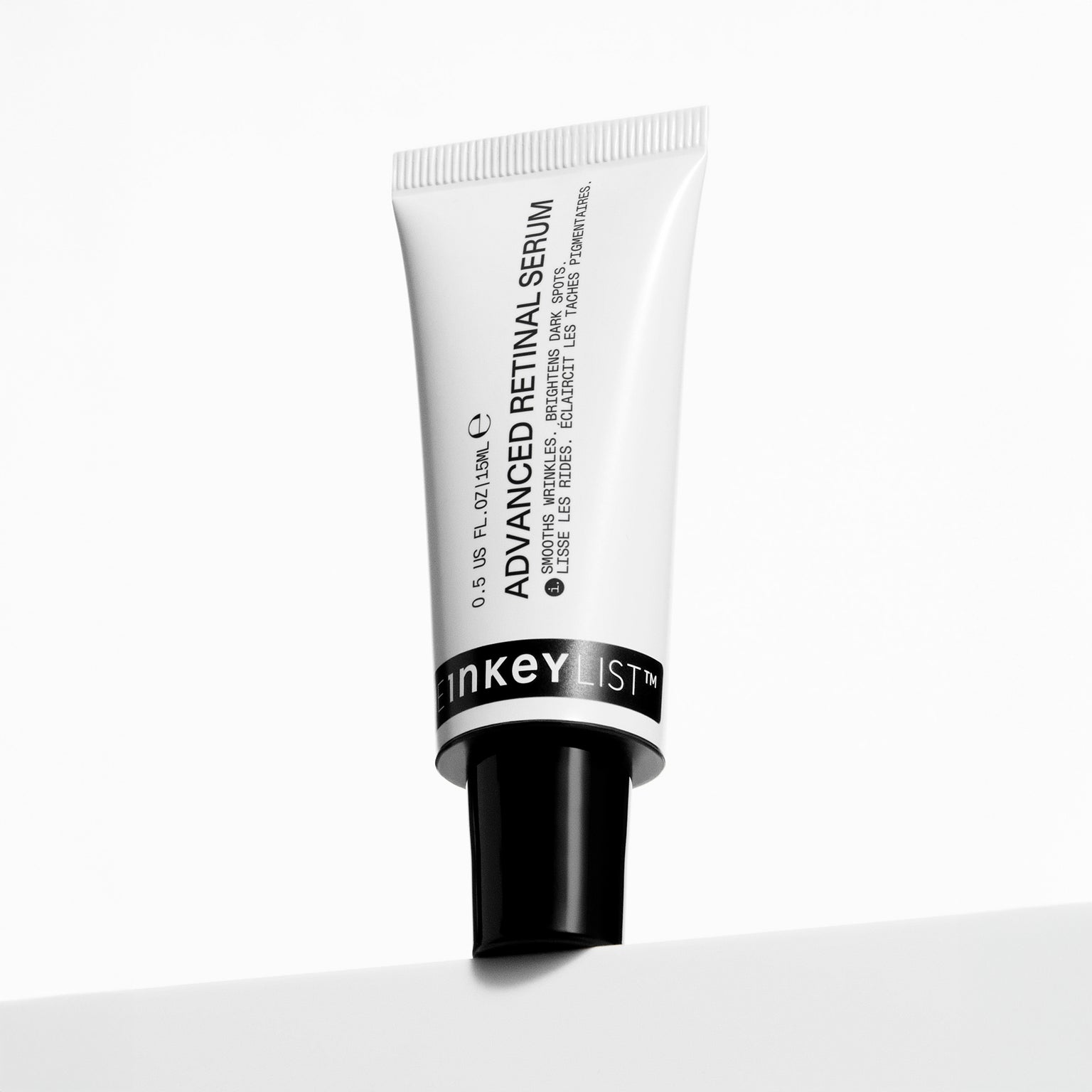
The Inkey List's Advanced 0.2% Retinal Serum (around £15.00 for 15ml, so £1.00 per millilitre) is the strongest retinal in the catalogue with a published strength. Its ingredient list pairs retinal with an antioxidant (dimethylmethoxy chromanol) that helps protect it, and a soothing agent (4-t-butylcyclohexanol) aimed at reducing stinging. At 0.2% it is for experienced retinoid users, not a first step.
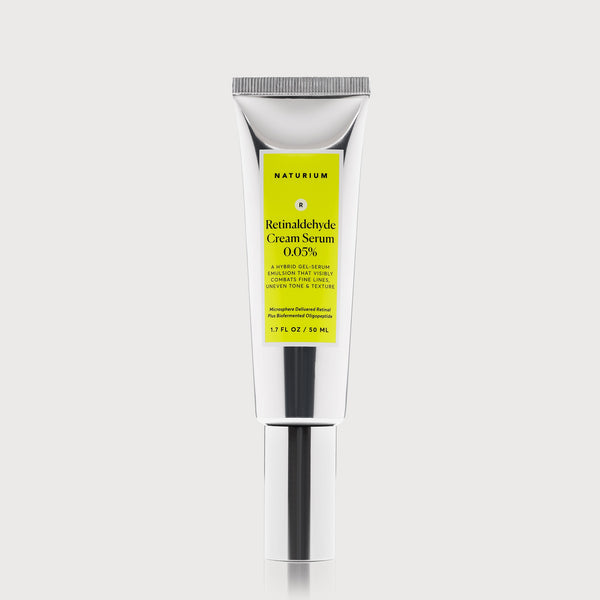
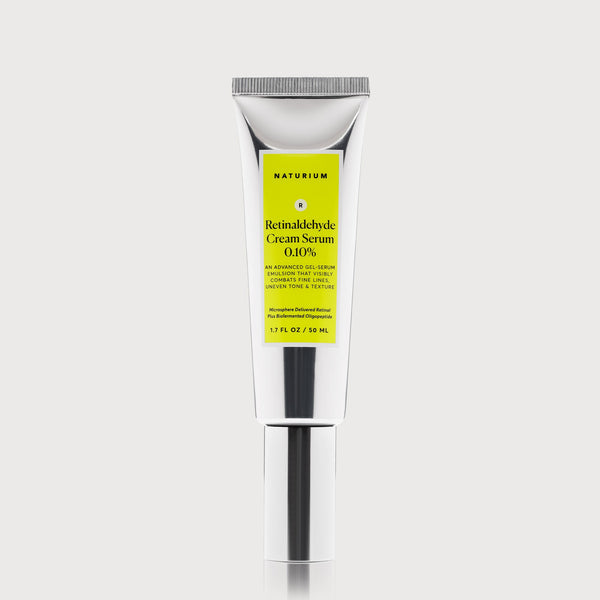
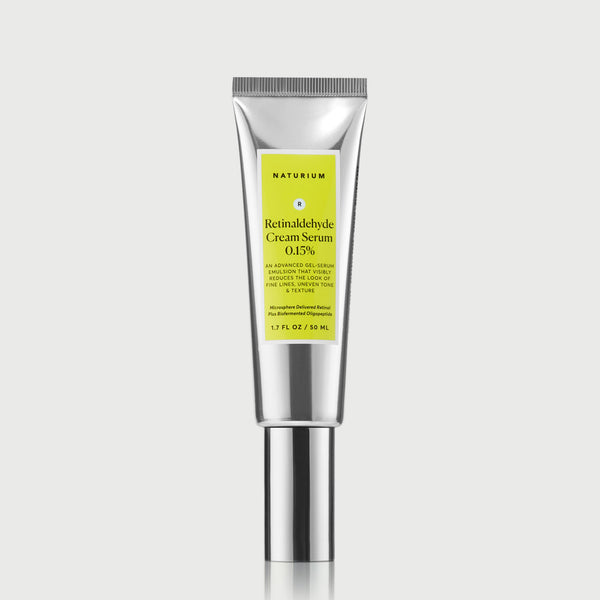
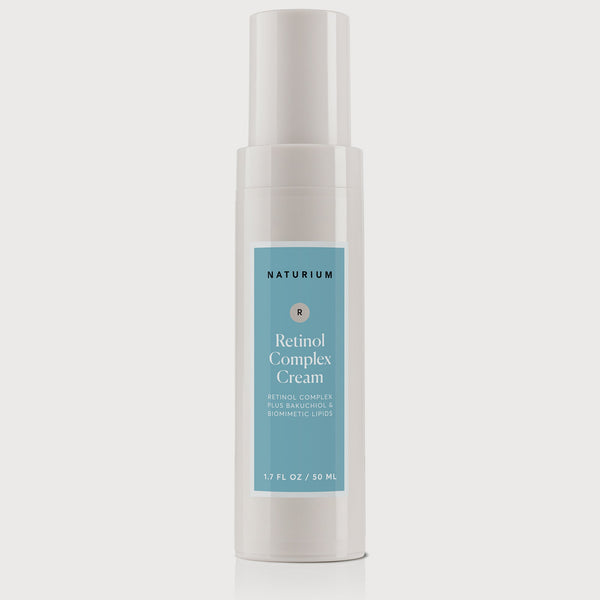
Naturium's Retinaldehyde Cream Serum comes in three strengths, which makes building up straightforward: 0.05% (around £32.00 for 50ml), 0.10% (around £35.00 for 50ml) and 0.15%. The catalogue does not yet hold a full ingredient list for this range, so we cannot comment on the rest of the formula.
The Inkey List's Starter Retinol Serum (around £12.00 for 30ml) is a useful halfway house. It combines a very low 0.01% retinal with hydroxypinacolone retinoate, so it introduces retinal at a strength most skin can handle.
Purito's TXA 6 Niacinamide 10 Retinal Serum (around £28.00 for 30ml) combines retinal with tranexamic acid and niacinamide, which may appeal if dark spots are your main concern. Its retinal strength and full ingredient list are not in the catalogue, so treat it as an unknown strength and introduce it slowly.
If you are not yet ready for retinal, The Ordinary's Retinol 0.2% in Squalane (around £7.40 for 30ml) is a low-cost way to find out how your skin handles retinoids first.
Common Mistakes
Treating retinal as a beginner's product because the percentage is small. Retinal works at a fraction of retinol's concentration, so 0.1% is a serious strength and 0.2% is an advanced one.
Switching straight from a high-strength retinol to a high-strength retinal. Step down to a low retinal and build up again; your skin has a new ingredient to adjust to.
Storing it badly. Keep the lid on, keep it out of a sunny bathroom and use it within the period on the label. A serum that has turned noticeably darker has probably degraded.
Layering several retinoids. One retinoid product per routine is enough. If you are adding a retinal serum, drop the retinol eye cream or night cream with retinol in it, or check that the total is not more than your skin is used to.
Skipping SPF. Every retinoid makes daytime protection more important, not optional.
Frequently Asked Questions
Is retinaldehyde better than retinol? It is more efficient, because it needs one fewer conversion step in the skin. That usually means results arrive sooner at an equivalent strength. Better depends on your skin; if retinol is working and well tolerated, there is no need to switch.
Is retinal the same as retinaldehyde? Yes. Retinal is the INCI name used on ingredient lists, and retinaldehyde is the chemical name. You may also see 'vitamin A aldehyde'.
Is retinaldehyde gentler than retinol? Not as a rule. At the low concentrations it is usually sold at, many people tolerate it well, but it is a more direct retinoid. Introduce it as carefully as you would a stronger retinol.
How long does retinaldehyde take to work? Expect around 8–12 weeks for visible changes in texture and tone, and longer for fine lines. That is somewhat faster than retinol, but still a matter of months, not days.
Can I use retinaldehyde with niacinamide? Yes. Niacinamide has no known conflict with retinoids and may help with tolerance. The azelaic acid and retinol guide covers another useful pairing for acne and redness.
Is retinaldehyde safe in pregnancy? No. Like all retinoids, it should be avoided when pregnant, trying to conceive or breastfeeding. See all products containing retinal for the full range on the site.