What actually fades acne scars depends on which kind you have, and most of what people call acne scars are not scars at all. Flat brown or purple marks (post-inflammatory hyperpigmentation) and flat pink or red marks (post-inflammatory erythema) are leftover pigment and inflamed blood vessels, and they respond well to daily sunscreen, brightening ingredients such as azelaic acid, tranexamic acid and alpha arbutin, and a retinoid. True scars, the indented pits and dents left when a breakout damages collagen, are a change in the structure of the skin. Topical products can soften them slightly at best; meaningful improvement comes from professional treatments such as microneedling, lasers and subcision. This guide explains how to tell the types apart, what the evidence supports for each, and how to build a routine that fades marks without causing new ones.
First, Work Out What You Are Treating
The single most useful thing you can do before buying anything is identify what kind of mark you have. The products that fade a brown mark will do very little for a pitted scar, and the reverse is also true. There are four broad types.
Post-inflammatory hyperpigmentation, usually shortened to PIH, is a flat brown, grey or purplish mark. It forms when the inflammation of a spot tells melanocytes to make extra pigment, which is left behind once the spot heals. It is more common, darker and longer-lasting on medium and deeper skin tones, and it can take months to fade on its own.
Post-inflammatory erythema, or PIE, is a flat pink, red or purple mark. It is not pigment but small blood vessels that dilated or were damaged during the breakout. It is more noticeable on lighter skin. A simple test helps tell the two apart: press a clear glass gently against the mark. If the colour blanches or fades under pressure, it is mostly PIE. If it stays the same, it is mostly PIH. Many people have both at once.
Atrophic scars are indented. They form when inflammation destroys collagen faster than the skin can rebuild it, leaving a dip in the surface. Dermatologists usually describe three shapes: ice pick scars (narrow, deep pits), boxcar scars (wider depressions with sharp edges) and rolling scars (broad, shallow dips with soft edges that give skin a wavy look in side lighting). These are the true acne scars.
Hypertrophic and keloid scars are raised. They are less common on the face, more likely on the chest, back and jawline, and are caused by the skin producing too much collagen during healing. They need medical treatment, often steroid injections, and are outside the scope of a skincare routine.
If a mark is flat, it is a mark, and it will fade. If it is a dent, it is a scar, and it needs a different plan.
Why Flat Marks Fade and Scars Do Not
Flat marks sit in tissue that is still structurally intact. The extra pigment in PIH is gradually shed as skin cells turn over, and the dilated vessels in PIE slowly settle. Left alone, most flat marks fade within six to twelve months, though deeper pigment on darker skin can last longer. The job of a routine is to speed that process up and stop new pigment from forming in the meantime.
Atrophic scars are different because the collagen that should be under the surface is missing or has been pulled down by fibrous bands. Skin does not fill that gap back in by itself. A topical ingredient can encourage some new collagen near the surface, which may make shallow scars look a little softer over many months, but it cannot rebuild the depth of a boxcar or ice pick scar.
This distinction is also where much of the marketing in this category goes wrong. A serum sold as 'for acne scars' is almost always a brightening serum, which is useful for PIH and does nothing for indented scarring. Reading the ingredient list tells you which job a product is actually built to do.
What Fades Brown Marks (PIH)
Daily sunscreen comes first, and it is not a formality. UV and visible light both stimulate melanocytes, so every unprotected day darkens existing marks and slows fading. Most of the other ingredients in this section work by reducing pigment production, which is easily cancelled out by the sun producing more. A broad-spectrum SPF 30 or higher, applied every morning, makes every other step work better.
Azelaic acid is one of the most useful ingredients for PIH after acne because it treats both the cause and the mark. It slows tyrosinase, the enzyme that makes melanin, and it is also anti-inflammatory and antibacterial, so it helps prevent the breakouts that create new marks. The site's data lists post-inflammatory hyperpigmentation and acne-prone skin among its suitable uses, and it is considered safe in pregnancy. Over-the-counter products are usually 10%; higher strengths are available on prescription. The azelaic acid guide covers it in depth.
Tranexamic acid works further upstream, by quietening the inflammatory signals that switch melanocytes on in the first place. It is one of the gentlest brighteners available and has a plausible effect on both PIH and PIE, which makes it particularly well suited to mixed brown and red marks. The tranexamic acid vs vitamin C guide explains how it compares with the more familiar options.
Alpha arbutin is another gentle tyrosinase inhibitor, usually used at 2%. It is a good choice for sensitive skin and layers easily with almost anything. The alpha arbutin guide goes through what the evidence does and does not show.
Niacinamide reduces the transfer of pigment from melanocytes to the surrounding skin cells, and it helps calm the oiliness and inflammation behind breakouts. It rarely clears marks on its own but is an excellent supporting ingredient. Vitamin C, in its various forms, adds antioxidant protection in the morning and has its own brightening effect; the vitamin C serums guide covers which form to choose.
Exfoliating acids speed up the shedding of pigmented cells. Mandelic acid is the one we would point most people with PIH towards, especially on deeper skin tones, because its larger molecule penetrates more slowly and is less likely to irritate. Irritation matters here more than anywhere: on skin prone to PIH, an over-zealous acid can create the very inflammation that causes new marks. Glycolic acid is faster but harsher. The mandelic acid guide compares the two.
What Fades Red Marks (PIE)
Red marks are harder to shift with skincare, because most brightening ingredients target pigment, and PIE is not pigment. Time does most of the work, and the most important thing you can do is avoid prolonging the inflammation.
That means gentle cleansing, no scrubbing, no picking, and keeping irritating products to a minimum. Sunscreen still matters, because UV damage keeps blood vessels dilated. Tranexamic acid and niacinamide are the two ingredients with the most plausible benefit, both because they calm inflammation and because they are well tolerated. Azelaic acid can help too, though it can tingle at first. Retinoids may help in the long run by improving skin renewal, but their early irritation can make redness look worse for a few weeks.
For PIE that lingers beyond a year, the most effective treatments are in a clinic: vascular lasers, such as pulsed dye laser, and intense pulsed light target the blood vessels directly and often clear marks in a few sessions. If redness is widespread and comes and goes rather than sitting in the spots of old breakouts, it may be rosacea rather than PIE, and the rosacea ingredients guide is the better place to start.
What Helps Indented Scars
Retinoids are the one topical ingredient category with a reasonable case for atrophic scarring. They increase cell turnover and stimulate collagen production in the upper layers of the skin, and over many months this can make shallow rolling and boxcar scars look slightly smoother. The best evidence is for prescription retinoids such as tretinoin and adapalene, and the effect is real but modest. Over-the-counter retinol and retinal work through the same pathway more slowly. They are worth using, not least because they also treat active acne and fade PIH, but they will not fill a deep scar. The retinol vs retinoids guide explains how the different forms compare.
Everything else meaningful for indented scars is a professional treatment. The main options, roughly from least to most intensive, are:
Microneedling, in which fine needles create controlled micro-injuries that trigger collagen remodelling. Several sessions are needed, it suits rolling and shallow boxcar scars, and it carries a relatively low risk of pigmentation problems on darker skin. At-home dermarollers are not a substitute; they are far shallower, harder to keep sterile and easy to misuse.
Chemical peels at professional strengths, and the TCA CROSS technique, in which a high-strength acid is applied precisely into individual ice pick scars to stimulate them to fill from the base.
Subcision, in which a needle is used under the skin to release the fibrous bands that tether rolling scars down. It is often combined with other treatments.
Fractional lasers, both ablative and non-ablative, which resurface the skin in a grid of tiny columns. These are among the most effective options for boxcar and rolling scars, but they carry a higher risk of PIH on medium and deeper skin tones, so the practitioner's experience with your skin type matters.
Dermal fillers, which lift individual depressed scars immediately but temporarily.
Most people with significant scarring get the best results from a combination, planned by a dermatologist. In the UK, that usually means a referral from your GP or a consultation with a private dermatologist; it is worth checking that anyone offering lasers or deeper peels is medically qualified.
Where We Differ: 'Scar Serums'
The most common advice online is that a strong enough serum, used consistently, will clear acne scars. We see that differently. Products that improve flat marks are widely sold as scar treatments, and when the marks fade, people reasonably conclude that the product removed their scars. What it actually did was speed up the fading of pigment that would, in most cases, have gone eventually anyway.
That is not a reason to skip brightening ingredients. Fading PIH in three months rather than nine is a worthwhile result, and the right routine also prevents new marks. But if your main concern is indented scarring, spending on a succession of serums is likely to disappoint, and the money is usually better put towards a consultation and a course of professional treatment. The honest answer to 'what fades acne scars' is: the products in this guide fade the marks, and professionals treat the scars.
The First Priority: Stop Making New Marks
Every new breakout is a potential new mark, so controlling active acne is part of treating marks. If you are still breaking out regularly, put that first. Salicylic acid, azelaic acid, niacinamide and retinoids all help, and the acne-prone skin ingredients guide covers how to combine them. Moderate to severe acne, especially cystic acne, is the kind most likely to leave indented scars, and it is worth seeing your GP early rather than waiting; prescription treatment is the most effective scar prevention there is.
Do not pick or squeeze. Pressing on a spot pushes inflammation deeper into the skin, which makes both PIH and true scarring more likely. Hydrocolloid patches are a useful way to keep hands off a spot while it heals.
Be gentle with active treatments. Irritation is inflammation, and on skin that marks easily, a routine that is too aggressive can leave its own pigmentation behind. Introducing one active at a time is slower, but it is faster than undoing a reaction.
A Simple Routine for Fading Marks
Morning: a gentle cleanser, a brightening serum (tranexamic acid, alpha arbutin, niacinamide or vitamin C, depending on your skin), moisturiser, and a broad-spectrum SPF 30 or higher. If your marks are on a deeper skin tone or you also have melasma, a tinted sunscreen adds protection against visible light.
Evening: cleanse, then alternate between a retinoid and azelaic acid, or use azelaic acid nightly if a retinoid is too much. Mandelic acid can replace one or two of those evenings each week once your skin is comfortable. Finish with moisturiser.
Retinoids and exfoliating acids are best kept on separate nights at first. The layering actives guide covers the order of application, and the retinol and AHA guide explains how to combine the two safely once your skin is used to both.
Give it time. Brightening ingredients reduce new pigment rather than bleaching what is already there, so results depend on skin renewing itself over several cycles. Take photos in the same light at the start and judge after ten to twelve weeks, not two.
Products Worth Considering
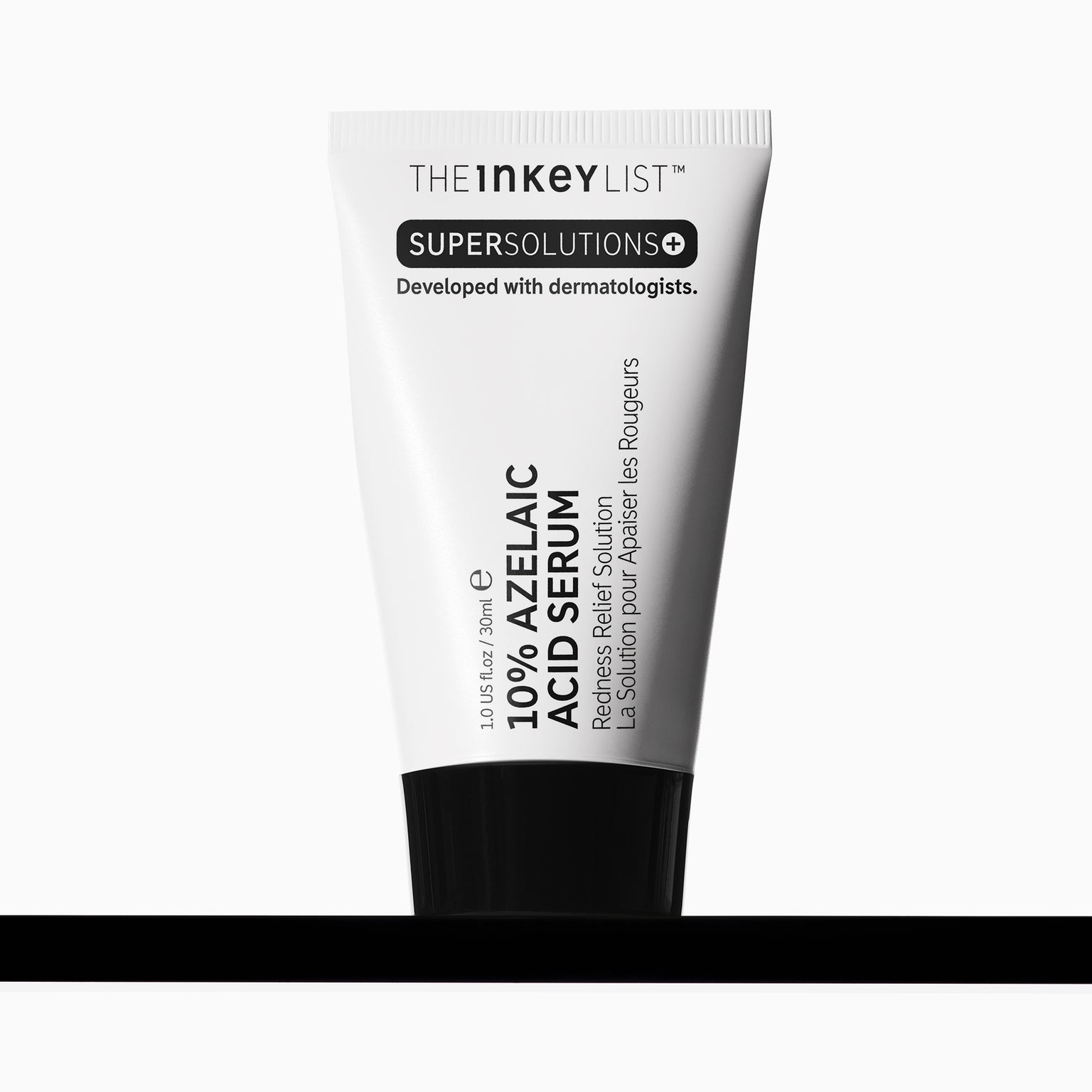
For brown marks on acne-prone skin, The Inkey List's 10% Azelaic Acid Serum (around £16.00) is a straightforward, fragrance-free starting point, and The Ordinary's Azelaic Acid Suspension 10% is a cream-gel alternative. Either works as a nightly step in place of, or alternating with, a retinoid.
For mixed brown and red marks, The Inkey List's Tranexamic Acid Serum (around £16.00) combines 2% tranexamic acid with a vitamin C derivative and is gentle enough for twice-daily use. The Ordinary's Alpha Arbutin 2% + HA (around £10.50) is the cheapest way to add a second brightening mechanism, and The Ordinary's Niacinamide 10% + Zinc 1% (around £5.00) adds a third while helping with oiliness.
For gentle exfoliation, The Ordinary's Mandelic Acid 10% + HA (around £7.40) is the one we would suggest for PIH-prone skin. The Ordinary's Glycolic Acid 7% Exfoliating Toner (around £8.00) is stronger and better suited to lighter skin that tolerates acids well.
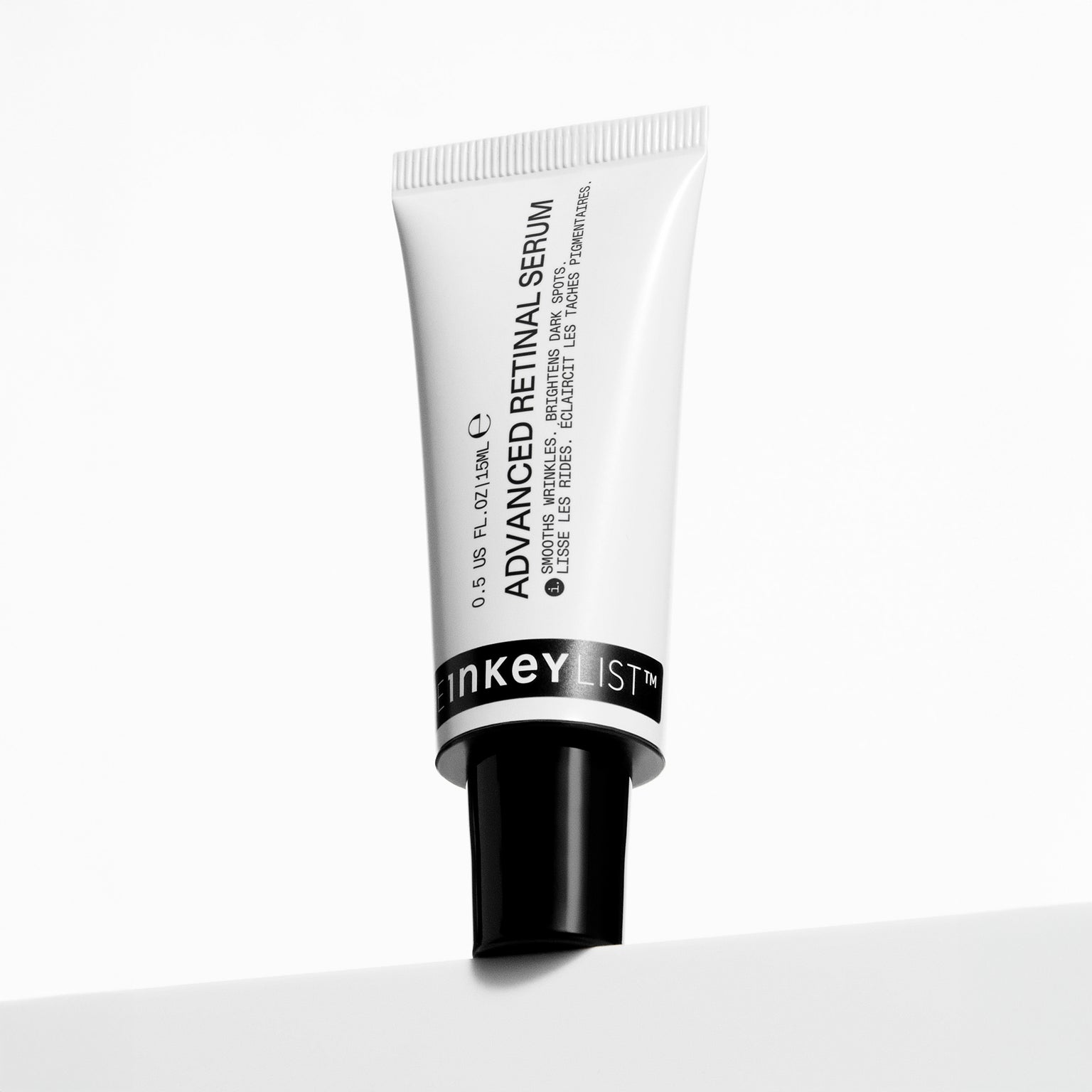
For a retinoid, The Ordinary's Retinol 0.2% in Squalane (around £7.40) is a low-cost way to start. The Inkey List's Advanced 0.2% Retinal Serum (around £15.00 for 15ml) is a step up for skin that has already adjusted to retinol. Purito's TXA 6 Niacinamide 10 Retinal Serum (around £28.00) combines a retinoid with tranexamic acid and niacinamide in one evening step, which suits anyone who wants a short routine. All retinoids should be avoided during pregnancy.
For sunscreen, Purito's Daily Soft Touch Sunscreen SPF50+ (around £16.00) is light enough to wear every day over serums. For a tinted option, Cetaphil's Pro Redness Prone Skin Tinted Day Cream SPF30 (around £26.25) also helps disguise red marks while they fade. You can compare the wider serum, retinoid and SPF ranges in the shop.
Common Mistakes
Treating every mark as a scar. Most post-acne marks are flat and will fade. Identifying them correctly saves money and disappointment.
Skipping sunscreen. Without it, brightening ingredients are working against a constant supply of new pigment.
Over-exfoliating. Strong acids, scrubs and too many actives at once cause irritation, and on skin prone to PIH, irritation leaves marks.
Expecting serums to fill indented scars. Retinoids can soften shallow scars slightly over many months. Deeper scars need professional treatment.
Judging results too early. Most people give up after a few weeks, before skin has had time to renew. Ten to twelve weeks is the minimum fair trial.
Ignoring active acne. Fading old marks while new breakouts keep appearing is a losing battle. Treat the acne first.
Frequently Asked Questions
How do I get rid of acne scars fast? Flat marks fade fastest with daily SPF, a brightening ingredient such as azelaic acid or tranexamic acid, and a retinoid, and most improve noticeably within three months. Indented scars do not respond quickly to anything at home; professional treatments such as microneedling or lasers work over several sessions.
Can skincare products remove acne scars? They can fade flat brown and red marks, which are the most common kind. They cannot remove indented scars, though retinoids may soften shallow ones slightly over time.
What is the difference between an acne mark and an acne scar? A mark is flat and is caused by extra pigment or dilated blood vessels; it fades over time. A scar is a change in skin texture, either indented or raised, caused by collagen damage, and it does not fade by itself.
Is vitamin C or niacinamide better for acne marks? Both help with brown marks and they work well together. Niacinamide is gentler and helps with oiliness; vitamin C adds antioxidant protection in the morning. For red marks, niacinamide and tranexamic acid are the more useful of the gentle options.
Does retinol help acne scars? Yes, modestly. Retinoids fade PIH, treat active acne and stimulate collagen, which can make shallow indented scars look a little smoother over six months or more. Prescription retinoids have the stronger evidence.
How long do acne marks take to fade? Untreated, most flat marks fade within six to twelve months, and darker pigmentation on deeper skin can take longer. A consistent routine with daily sunscreen can shorten that considerably.
Are acne scar treatments safe for darker skin? Topical brighteners such as azelaic acid, tranexamic acid and alpha arbutin are well suited to darker skin. Some professional treatments, particularly lasers and strong peels, carry a higher risk of PIH, so choose a practitioner experienced with your skin tone. See all products containing azelaic acid for the full range on the site.